Claims Guidance
Protect Your Property Before the Loss: The Pre-Claim Checklist
Everything that makes a claim easy is done before the claim exists. It takes one evening, and almost nobody does it.
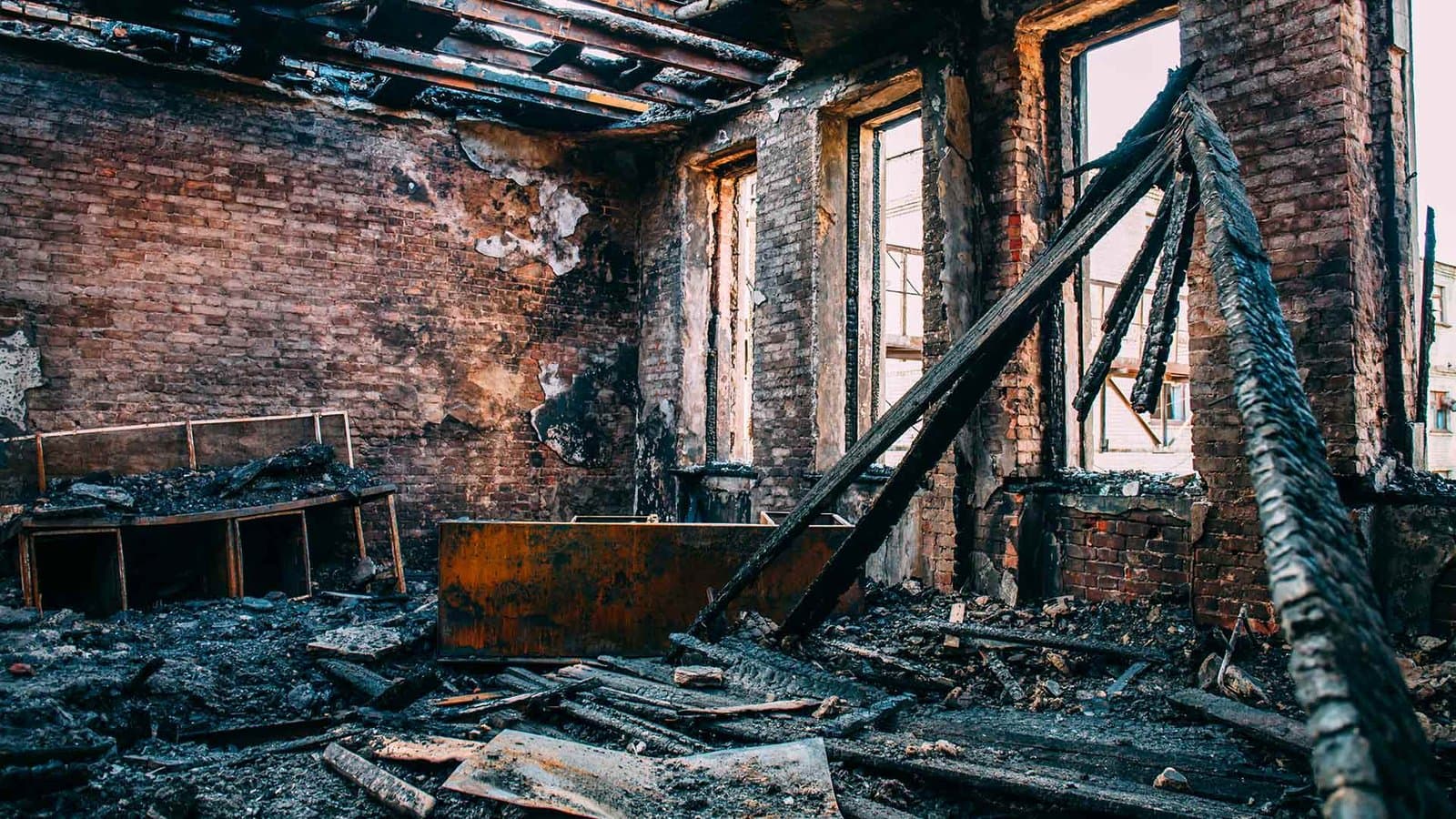
Every difficult claim we work has one thing in common: the policyholder is reconstructing, from memory and under stress, information that would have taken an evening to record beforehand.
This is the list. It is not long.
Record a video inventory tonight
The single highest-value hour of claim preparation available to any property owner.
Walk the house with your phone recording video, narrating as you go. Then:
- Open everything. Drawers, wardrobes, cupboards, the garage, the loft. Closed doors document nothing.
- Photograph model and serial plates on appliances, electronics, tools and equipment.
- Slow down for anything valuable. Jewelry, art, collections, musical instruments, firearms, professional equipment.
- Capture receipts and appraisals for high-value items.
- Get the exterior too. Roof condition from the ground, fencing, outbuildings, landscaping, driveway.
Then store it off site. Cloud storage, or a copy on a drive at a relative's house. An inventory that burns with the house helps nobody.
Update it once a year and after any significant purchase.
Read your declarations page
Most people have never read theirs. Five minutes:
- Dwelling limit (Coverage A). Is it enough to rebuild at today's construction costs, not what you paid for the house?
- Other structures (Coverage B). Typically ten percent of the dwelling limit. Enough for your fence, shed and detached garage?
- Personal property (Coverage C). Usually a percentage of the dwelling limit. Roughly right for what you own?
- Loss of use (Coverage D). Enough to house your family for a full rebuild?
- Deductible. And separately, your named storm or windstorm deductible, which on the Gulf Coast is normally a percentage of the dwelling limit rather than a flat amount.
Check the gaps that catch Texans out
Flood is not included. Rising water is excluded from every homeowner policy. If you are in the Houston region without a flood policy, that is an exposure, not an assessment. A very large share of Harvey's residential flood losses occurred outside the mapped high-risk zones where nobody was required to carry it.
Windstorm may sit elsewhere. In the fourteen designated coastal counties, including Brazoria, Galveston and Nueces. Wind and hail may be carried by the Texas Windstorm Insurance Association rather than your homeowner carrier. Know which applies before a hurricane, not during one.
Replacement cost versus actual cash value. Confirm you have replacement cost on both the structure and contents. Actual cash value on contents means depreciated payouts that will not replace anything.
Ordinance and law. If your house predates current code, in Texas most do. Rebuilding to today's standard costs more than rebuilding what was there. This endorsement pays the difference.
Special limits. Jewelry, firearms, cash, art, collectibles and business property carry sub-limits far below their value. If you own something meaningful, schedule it.
Sewer and drain backup. Frequently excluded unless endorsed.
Mold. Usually sub-limited even when the underlying water loss is covered.
Assemble the document file
One folder, physical and digital, stored off site:
- Current policy and declarations page (all policies, homeowner, flood, windstorm, umbrella)
- Agent and carrier contact details and claim reporting numbers
- The video inventory and photographs
- Receipts and appraisals for valuables
- Home purchase documents and any survey
- Records of every improvement, roof replacement, HVAC, electrical work, remodels. With invoices and permits
- Prior claim documentation: final scope, invoices, completion certificates, photographs
That last item matters more than people expect. If you have had a previous loss, carriers will attribute new damage to the old event. The prior claim's closeout package is what rebuts that.
Maintain what carriers examine
Claims are denied on maintenance grounds. Keep receipts for:
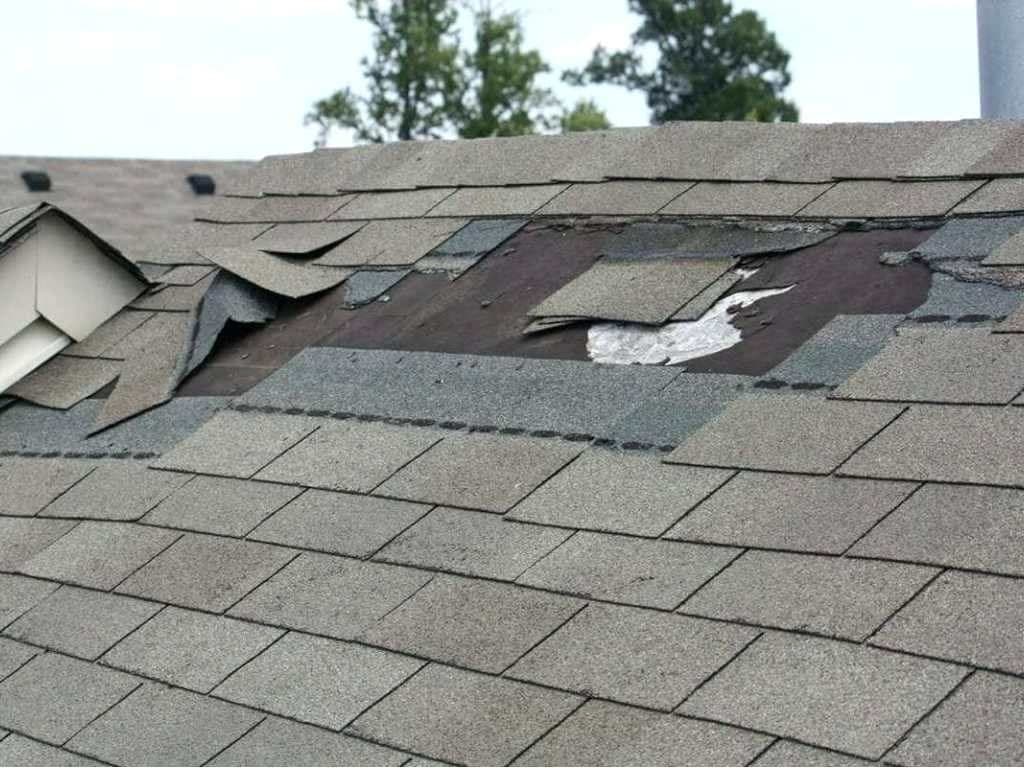
- Annual roof inspections and any repairs
- HVAC servicing
- Plumbing repairs and water heater replacement
- Tree trimming and removal of dead limbs
- Gutter cleaning and drainage work
A file of dated maintenance records is the practical answer to a wear-and-tear denial.
Twenty minutes of physical preparation
- Know where the main water shutoff is, and make sure everyone in the household does
- Know where the gas shutoff and electrical panel are
- Fit smoke alarms on every level and in every bedroom. Test monthly
- Consider water leak detectors near the water heater, under sinks and behind the washing machine
- Secure or store outdoor furniture before a storm. It becomes projectiles
- Trim limbs overhanging the roof
If a loss happens anyway
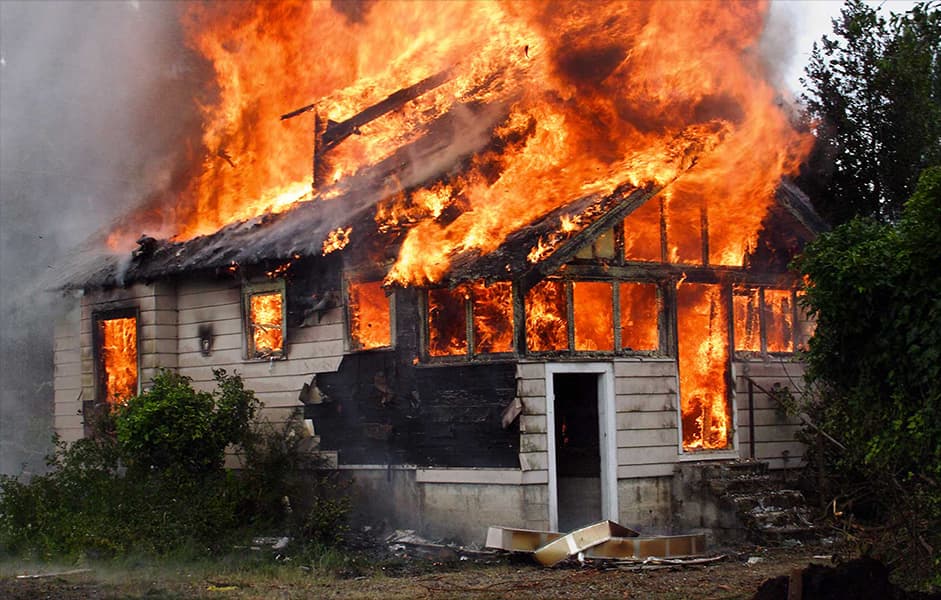
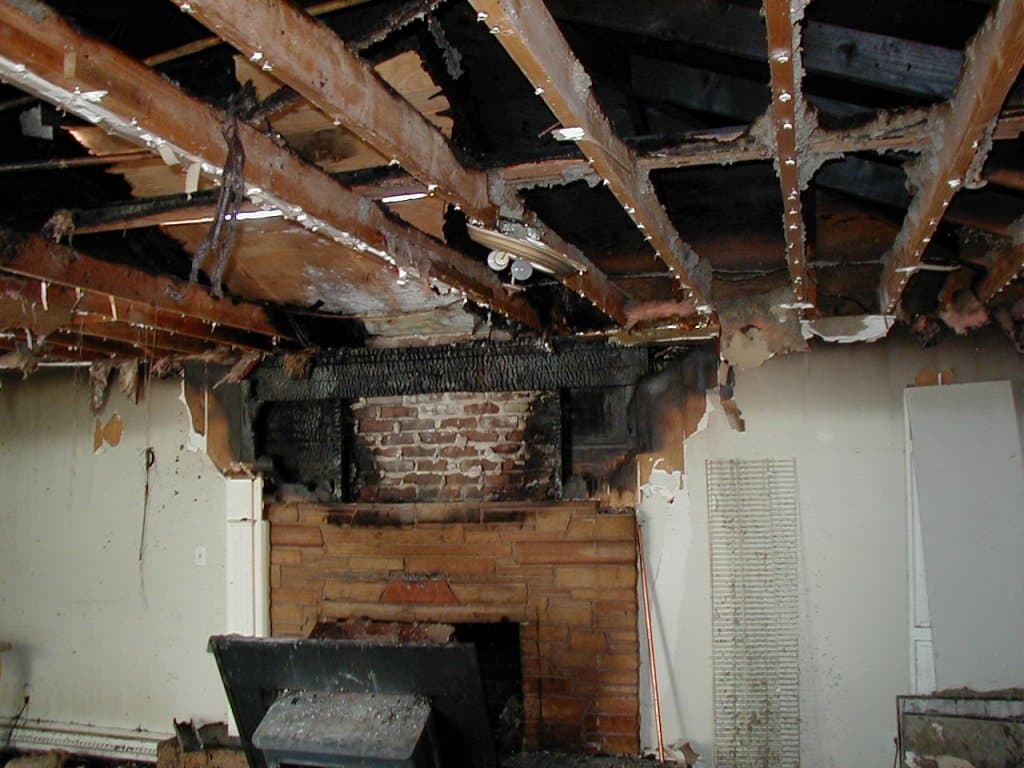
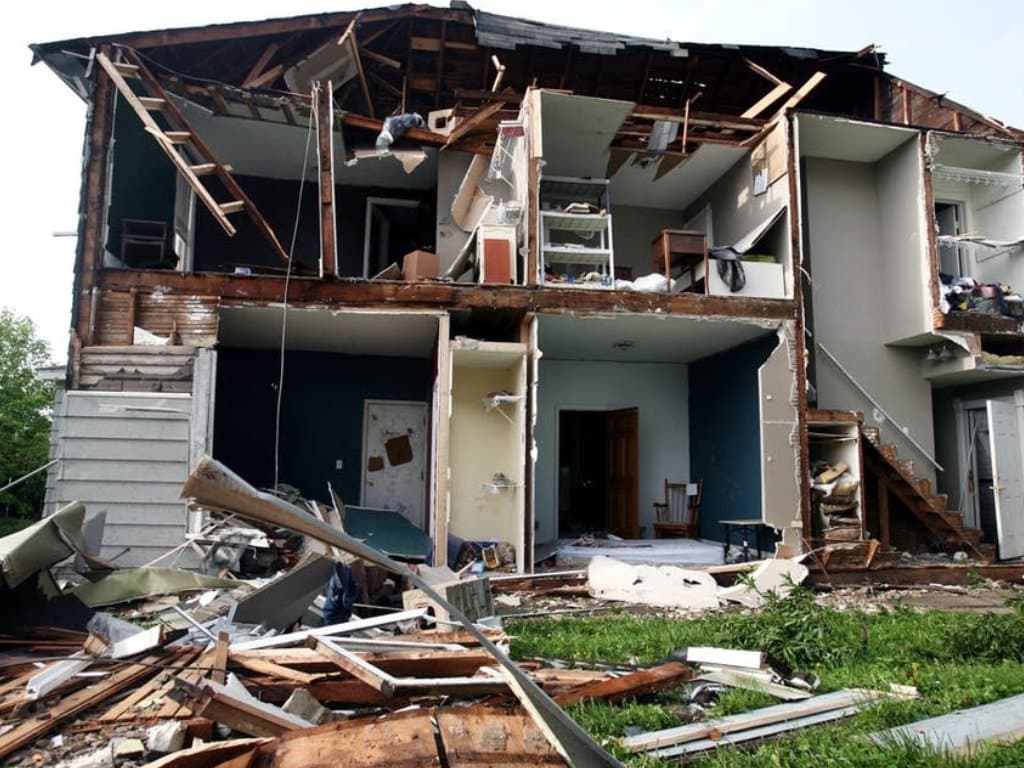
Our peril-specific guides cover the first steps: fire, flood, water and storm.
And if a claim has already been made and the number does not add up, we review property damage claims across the Houston region at no cost.
Frequently asked questions
How do I create a home inventory for insurance?
Walk the property recording video on your phone, narrating as you go, with every drawer, wardrobe and cupboard open. Photograph model and serial plates on appliances and electronics, and capture receipts or appraisals for valuables. Store the file off site in cloud storage, and update it annually.
What insurance coverage gaps are most common in Texas?
Four recur constantly: no flood policy, since rising water is excluded from every homeowner policy. Actual cash value rather than replacement cost on contents. No ordinance and law endorsement, so code upgrade costs on older homes are unfunded. And unscheduled valuables sitting under special sub-limits far below their worth.
Why should I keep records of home improvements?
They establish pre-loss condition and value. A documented roof replacement four years ago directly rebuts a wear-and-tear denial. Improvement records also support a higher dwelling valuation, and where you have had a previous claim, the closeout documentation is what prevents new damage being attributed to the old event.