Fire & Smoke
What to Do Immediately After Fire Damage
The decisions made in the first three days shape the entire fire claim. Most of them are made by exhausted people with no information. Here is the list.
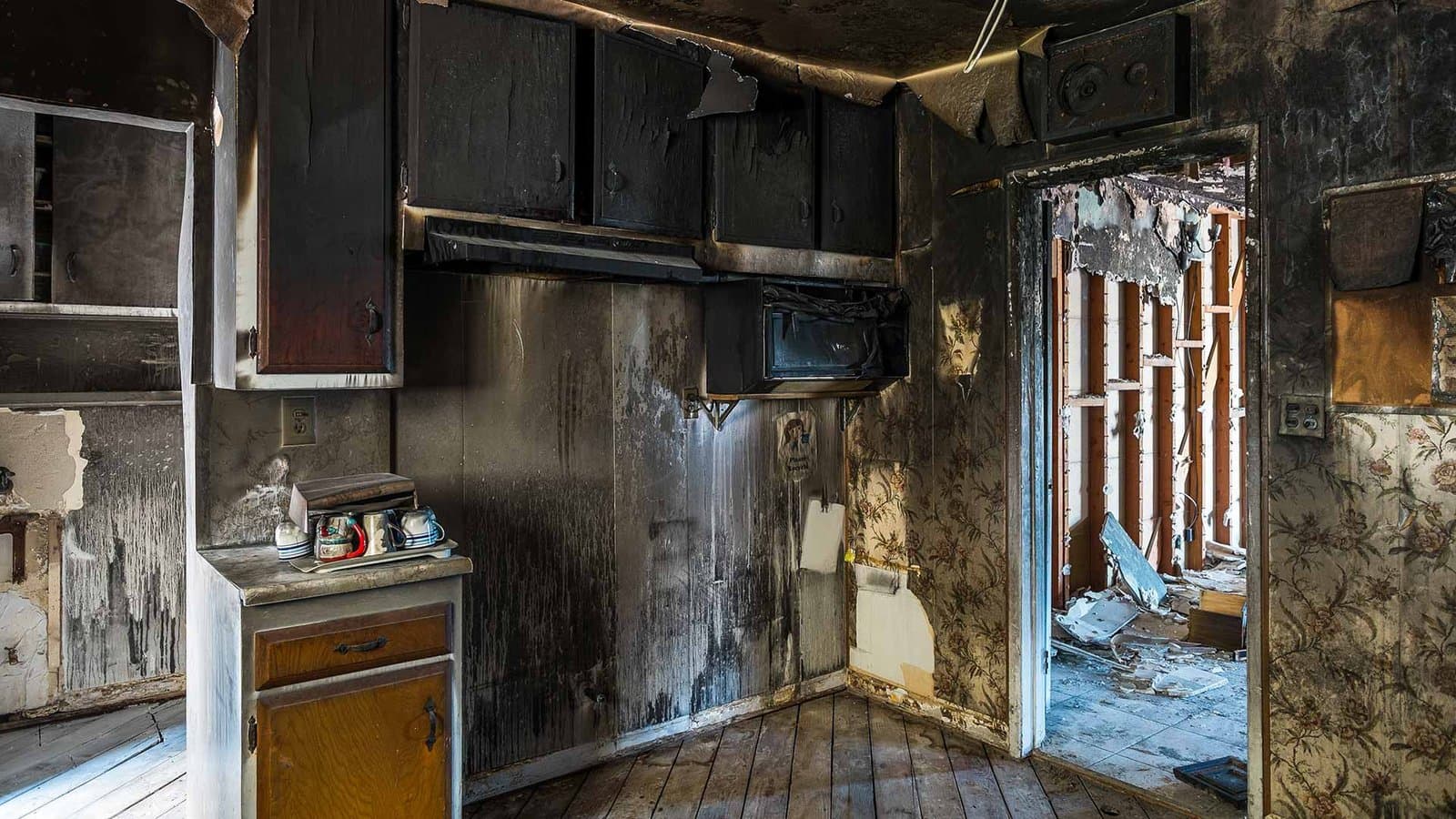
Nobody is at their best in the seventy-two hours after a fire. You are dealing with where the family sleeps tonight, whether the dog got out, and what happens to work on Monday. Insurance paperwork is somewhere far down the list.
Unfortunately that is exactly the window in which the claim is shaped. Here is what actually matters, in order.
Day one: safety and the first phone calls
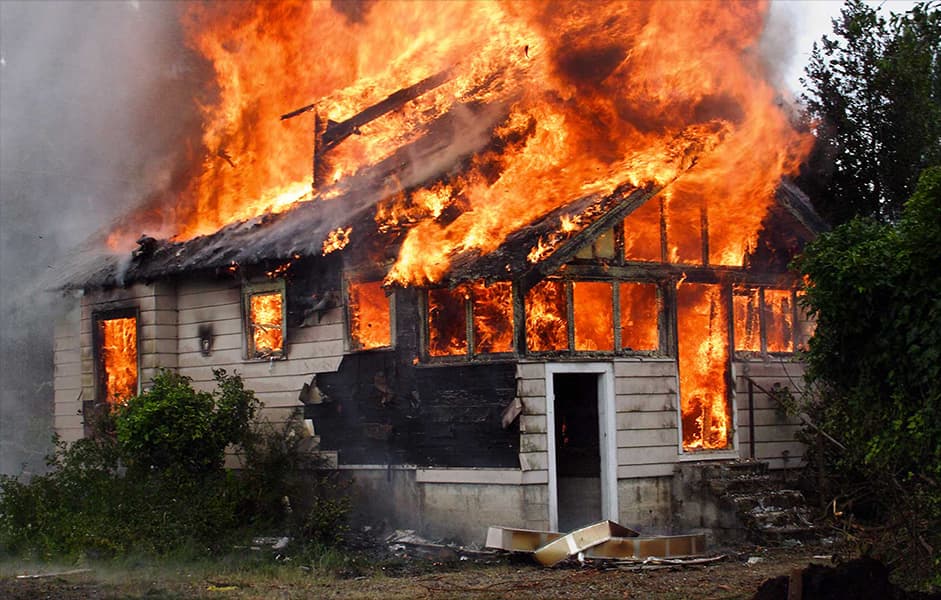
Do not re-enter until the fire department releases the structure. Fire-damaged buildings fail after the flames are out. Trusses that carried load through the fire let go hours later, and the air inside carries particulates you do not want in your lungs.
Report the claim. Call your insurer as soon as you are able. Write down the claim number, the name of the adjuster assigned, and the date and time of every call. Start a single notebook or document for the claim and keep everything in it.
Ask two specific questions on that first call:
- What is my additional living expense limit, and how do I access an advance?
- What emergency services will you authorise now, board-up, tarping, security?
Most policies provide an advance against additional living expense. Most policyholders never ask for one because nobody tells them it exists.
Secure the property. Your policy requires you to prevent further damage. Board-up, tarping and fencing are covered emergency services, and skipping them can be held against you if weather or theft causes additional loss.
Day one to three: document before anyone touches anything
Restoration crews move fast, and they should. But once demolition starts, the record of what your property looked like is whatever you captured.
Photograph and video every room, including rooms the fire never reached. Smoke and soot claims are argued room by room, and untouched-looking spaces are exactly where a carrier will push back. Get wide shots, mid shots and close-ups of damaged items.
Capture the contents before they are moved. If a restoration company packs your belongings out, get your own photographs first.
Do not throw anything away. Not the ruined sofa, not the melted electronics. Damaged property is evidence of value. If it must be removed for safety, photograph it first and keep the inventory.
Start the expense file immediately. Hotel, clothing, toiletries, meals, pet boarding, laundry, extra mileage. Under most Texas homeowner policies these are reimbursable additional living expenses, but only the documented ones.
The recorded statement
Your insurer will ask for a recorded statement. You are obliged to cooperate, and refusing outright creates problems.
But cooperate carefully:
- Answer what you know. Say "I don't know" when you don't. Speculation offered early reappears later as a coverage argument.
- Do not guess at values, ages or dates. "I'll check and confirm" is a complete answer.
- Do not speculate about cause. Determining origin and cause is the fire marshal's job and the carrier's investigator's job, not yours.
- Ask for a copy of the statement.
Understand what you are actually claiming
A fire claim is not one number. It is four:
Dwelling (Coverage A). The structure itself, including smoke and soot damage in areas the flames never reached, and code upgrades required on rebuild if you carry ordinance and law cover.
Other structures (Coverage B), detached garage, shed, fence. Usually around ten percent of the dwelling limit.
Personal property (Coverage C). Your belongings, requiring a full inventory. This is the most labour-intensive part of any fire claim and the most commonly underpaid.
Loss of use (Coverage D). The additional cost of living somewhere else. Not your normal expenses. The *extra* over normal.
Each is separate, each has its own limit, and each has to be claimed. A settlement that addresses only the burned structure is incomplete.
Building the contents inventory
This is the part people dread, and the part where the largest amount of money is routinely left behind.
Work room by room. For each item record description, brand and model where known, approximate age, original cost and current replacement cost. Use photographs from before the fire, old phone pictures, social media posts, video from a birthday party. To jog memory and evidence ownership.
Two things worth knowing:
- Actual cash value is not replacement cost. If you carry replacement cost cover, the insurer pays depreciated value first and releases the balance once you actually replace the item and document it. That balance is real money with a deadline attached.
- Special limits apply to jewelry, firearms, cash, art and collectibles. These are frequently far below actual value unless separately scheduled.
Smoke and soot: where fire claims get underpaid
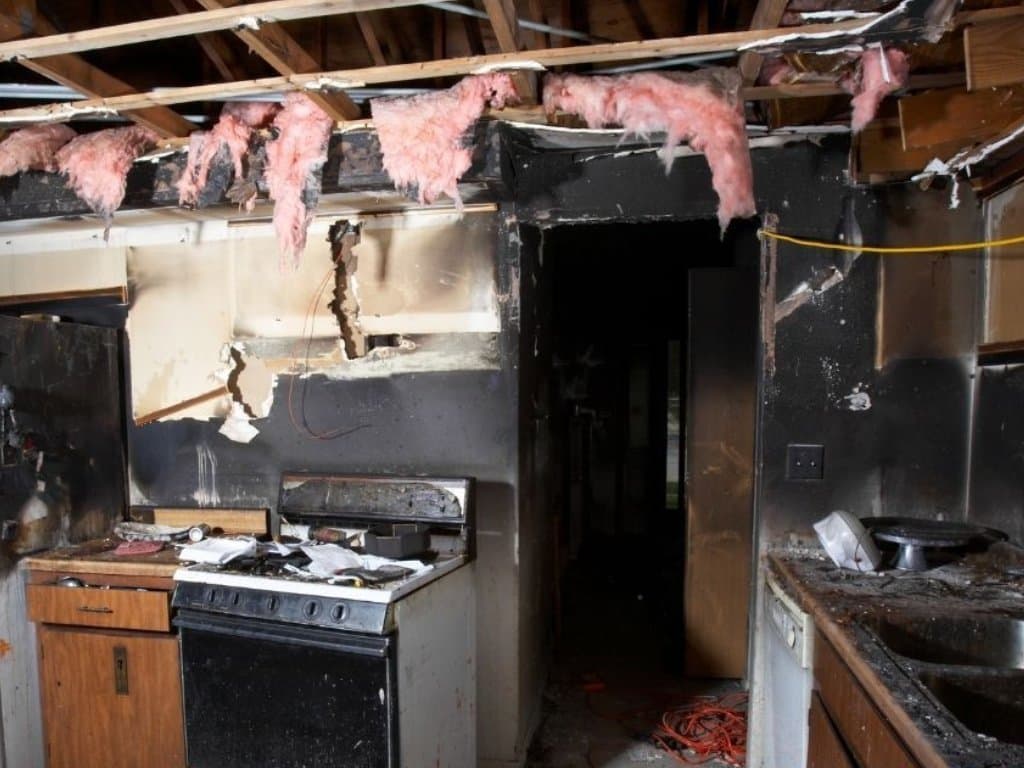
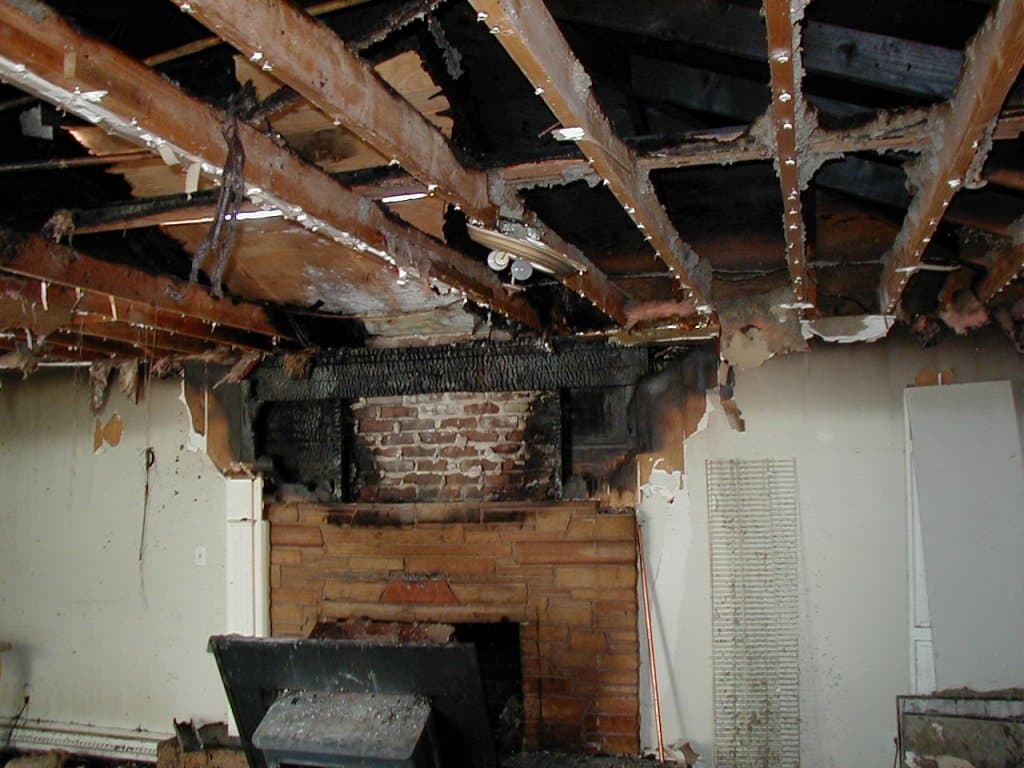
Smoke travels. Soot moves through wall cavities, gets pulled into HVAC ductwork and redeposits across the entire property. Odor bonds into porous material. Framing, insulation, upholstery, clothing.
A carrier's scope that cleans the burned room and treats the rest as unaffected is the single most common shortfall in fire settlements. The counter is documentation: wipe testing, room-by-room soot mapping and HVAC inspection, showing where contamination actually went rather than where the flames stopped.
Five mistakes that reduce fire settlements
- Disposing of damaged property before it is documented.
- Not claiming additional living expense. Or claiming only the hotel and not the meals, laundry, pet boarding and mileage.
- Accepting the first estimate because the process is exhausting and it arrived with a number on it.
- Missing the depreciation holdback deadline while the rebuild drags on.
- Skipping ordinance and law. A house built in 1978 is not rebuilt to 1978 code, and that difference is a covered cost if the endorsement is on the policy.
When to bring in help
If the structure is a total loss, if the contents inventory is beyond what you can face, or if the offer does not resemble what rebuilding costs, an independent assessment is worth having. We handle fire damage claims throughout Houston and the surrounding Texas communities, and the initial review is free.
Frequently asked questions
How long do I have to file a fire insurance claim in Texas?
Your policy requires prompt notice, and Texas law sets outer limits for bringing an action on a claim. Practically, report the loss within days. Delay invites a late-notice argument and makes documenting the loss substantially harder, because restoration and demolition remove the evidence quickly.
Will my insurance pay for a hotel after a house fire?
Yes, under the loss of use or additional living expense section of a standard Texas homeowner policy, subject to your limit. It covers the increase over your normal cost of living. Hotel or rental, meals above what you would normally spend, laundry, pet boarding, storage and extra mileage. Most policies allow an advance, but you generally have to ask for one.
Does homeowners insurance cover smoke damage in rooms that did not burn?
Yes. Smoke and soot damage is part of the fire loss under a standard Texas policy, regardless of whether flames reached the room. The practical difficulty is not coverage but scope: contamination has to be tested and documented room by room, because carrier estimates routinely stop at the burn area.
Should I hire a public adjuster for a fire claim?
It depends on the size and complexity of the loss. For a small kitchen fire with a straightforward scope, often not. For a total loss, a large contents inventory, a significant smoke component or a settlement offer that does not match rebuild costs, an independent assessment is worth having. Texas public adjusters work on contingency, so a review costs nothing.