Claims Guidance
Damage Restoration Cost Guide for Texas Property Owners
You cannot tell whether a settlement is fair without knowing what the work costs. Here are the ranges, and the factors that move them.
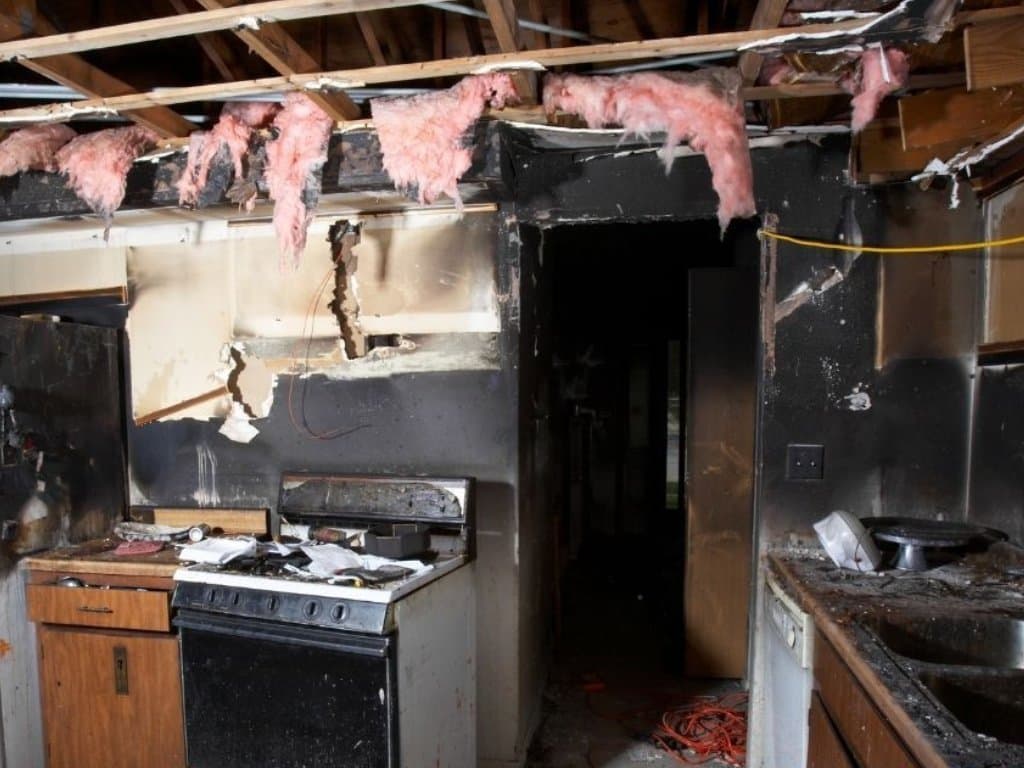
A settlement offer is only meaningful next to what the work actually costs. Most policyholders have no reference point, which is why a number that sounds substantial gets accepted for a job it will not fund.
A note on the figures below. These are broad ranges for the Texas market intended as orientation, not quotes. Actual cost depends on the property, the extent of damage, material selections and, significantly. Whether a catastrophe has just pushed regional demand up. Always get local contractor quotes for your specific loss.
Water damage
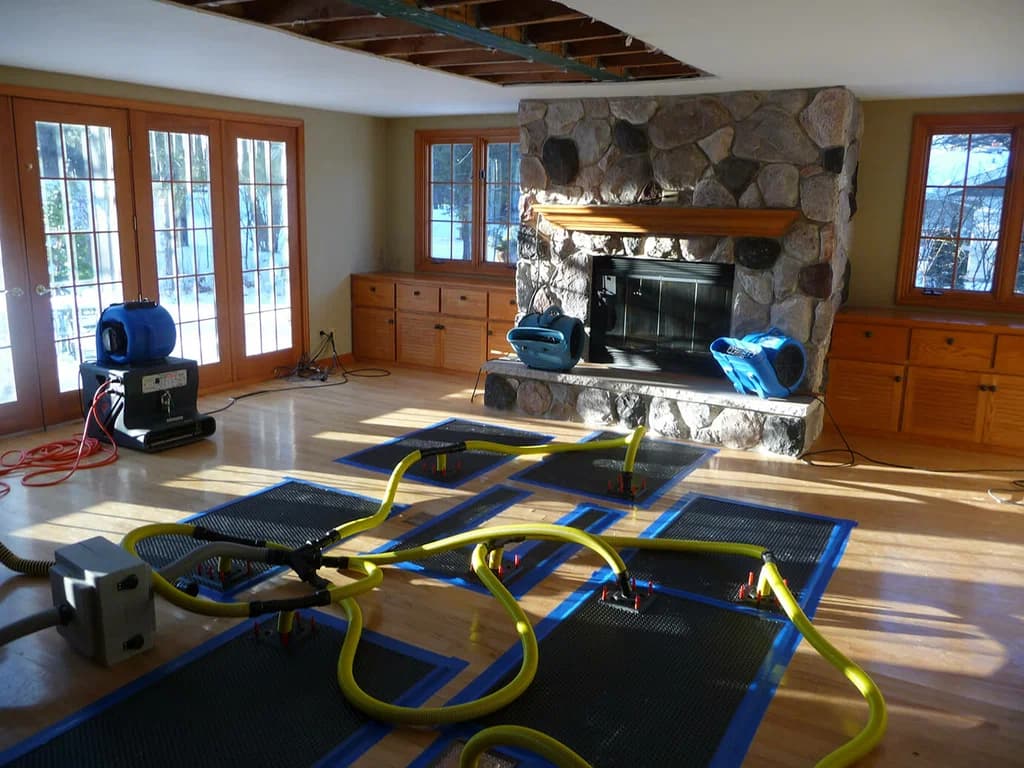
Emergency mitigation and structural drying typically runs from around fifteen hundred dollars for a contained single-room loss to eight thousand or more where multiple rooms and cavity drying are involved. Cost is driven by affected square footage, the number of days equipment runs, and the water category. Clean water is cheaper to handle than sewage.
Reconstruction after drying is the larger number. Replacing drywall, insulation, trim, paint and flooring in a few affected rooms commonly runs from around five thousand to twenty-five thousand dollars, with kitchens and bathrooms at the upper end because of cabinetry and tile.
Slab leak access, breaking out and replacing concrete and flooring to reach the pipe. Frequently exceeds the plumbing repair by a wide margin, and is generally covered even where the pipe itself is not.
What drives it up: hardwood or stone flooring, custom cabinetry, cavity moisture requiring extensive demolition, and any delay that allows microbial growth.
Fire and smoke
The widest range of any peril, because fire losses run from a contained kitchen fire to a total loss.
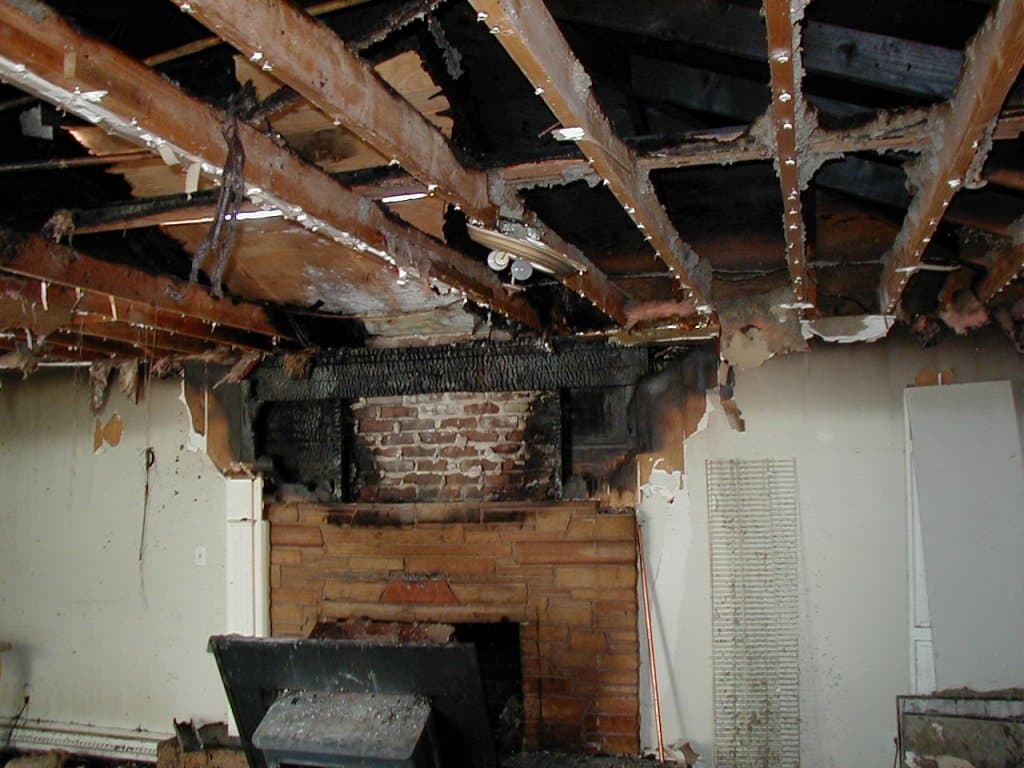
Smoke and soot cleaning on a contained fire commonly runs from three thousand to fifteen thousand dollars, depending on how far contamination traveled. Which is usually much further than the flames.
HVAC decontamination, frequently omitted from initial estimates, typically adds one to four thousand dollars.
Partial reconstruction varies enormously with the affected area. Total loss reconstruction is priced per square foot at current Texas construction costs, and this is where two factors matter more than anything else:
- Ordinance and law. An older house is not rebuilt to its original code. That difference is real money and it is only paid if the endorsement is on the policy and the cost is claimed.
- Contents. On a total loss, personal property frequently approaches or exceeds the structure claim, and it is settled on the inventory you produce.
Mold remediation
Cost scales with affected area and with whether containment is required.
Small, contained remediation, a bathroom wall, a cupboard. Commonly runs from around five hundred to three thousand dollars. Larger work involving containment barriers, negative air pressure, HVAC decontamination and post-remediation clearance testing runs considerably higher, typically from three thousand to fifteen thousand or more.
Coverage warning: most Texas policies sub-limit mold remediation, often well below actual cost, and mold arising from an excluded event or an unaddressed leak is generally not covered at all. Check the sub-limit on your declarations page.
Storm and roof damage
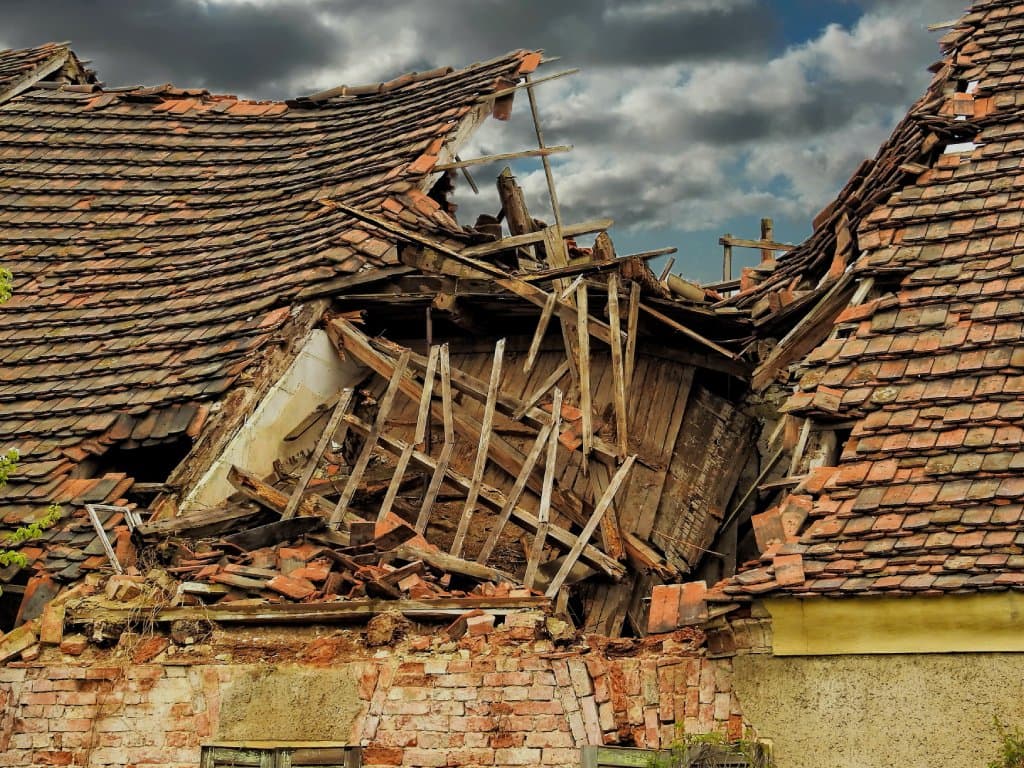
Roof replacement on a typical Texas single-family home commonly runs from around nine thousand to twenty-five thousand dollars for architectural asphalt shingles, driven by square footage, pitch, number of layers to remove, and decking condition once the old covering is off. Metal and tile run substantially higher.
Decking replacement discovered during tear-off is a routine supplemental item, priced per sheet.
Code upgrades, updated underlayment, ice and water shield, ventilation, drip edge. Are frequently required by current code and frequently omitted from carrier estimates.
Interior repairs from wind-driven rain are separate again, and are commonly under-scoped because surface staining understates the affected area.
Flood
Flood reconstruction differs because so much material is removed rather than dried.
Flood cuts, insulation removal, antimicrobial treatment and structural drying on a typical residential inundation commonly run from around eight thousand to thirty thousand dollars before any rebuild. Reconstruction then follows at normal construction rates.
Two flood-specific costs to remember:
- Mechanical replacement. Submerged HVAC, water heaters and electrical panels are unsafe to return to service and are routinely scoped as cleanable when they should be replaced.
- Elevation. Where the structure is declared substantially damaged, rebuilding to current floodplain standards can require elevation. Increased Cost of Compliance contributes toward that, and it is separate from the building payment.
What moves the number
Catastrophe demand surge. After a hurricane or a major hail event, regional labour and material prices rise sharply. An estimate built on pre-event pricing will not fund post-event work, and this is one of the most common causes of a genuine settlement shortfall.
Material selections. Like kind and quality means matching what was there, not the cheapest available equivalent.
Matching. Where a discontinued material cannot be matched, patching does not restore pre-loss condition, and the case for replacing the continuous area should be made in writing.
Hidden damage. Demolition routinely exposes damage nobody could see at inspection. That is what supplemental claims exist for.
How to check your settlement
- Get two or three local contractor quotes for the actual scope of work.
- Compare them line by line against the carrier's estimate, not the totals, the line items. Underpayments are almost always missing scope rather than low pricing.
- Confirm the estimate includes code upgrades, matching where required, and every affected room rather than only the obvious one.
- Check whether the figure is actual cash value or replacement cost, and identify the depreciation holdback and its deadline.
- Check that additional living expense, other structures and contents have each been addressed separately.
If the gap between the offer and the quotes is significant, that gap is documentable. We review property damage settlements throughout the Houston region and Texas, and there is no fee unless the claim recovers more.
Frequently asked questions
How much does water damage restoration cost in Texas?
Emergency mitigation and structural drying commonly runs from around fifteen hundred dollars for a contained single-room loss to eight thousand or more where multiple rooms and cavity drying are involved. Reconstruction afterwards is a separate and usually larger cost. Figures vary considerably with the property and with regional demand after a catastrophe.
Why is my insurance settlement lower than my contractor's quote?
Most often because the carrier's estimate is missing scope rather than because the pricing is low. Concealed damage, code upgrade requirements, matching, additional affected rooms and HVAC decontamination are the items most commonly absent. Compare the two documents line by line rather than comparing totals.
Does insurance cover the full cost of mold remediation?
Usually not. Most Texas policies apply a specific sub-limit to mold remediation that is often well below actual remediation cost, and mold resulting from an excluded event or from a leak left unaddressed is generally not covered at all. The sub-limit is shown on your declarations page.
What is demand surge and how does it affect my claim?
After a widespread catastrophe, regional labour and material prices rise sharply because thousands of properties need the same trades at once. An estimate built on pre-event pricing will not fund post-event work, and this is one of the most common causes of a genuine shortfall between settlement and actual repair cost.