Claims Guidance
How to Maximize Your Insurance Claim: A Practical Guide
Maximizing a claim is not about arguing harder. It is about claiming every coverage you actually bought. And most policyholders claim three of the six.
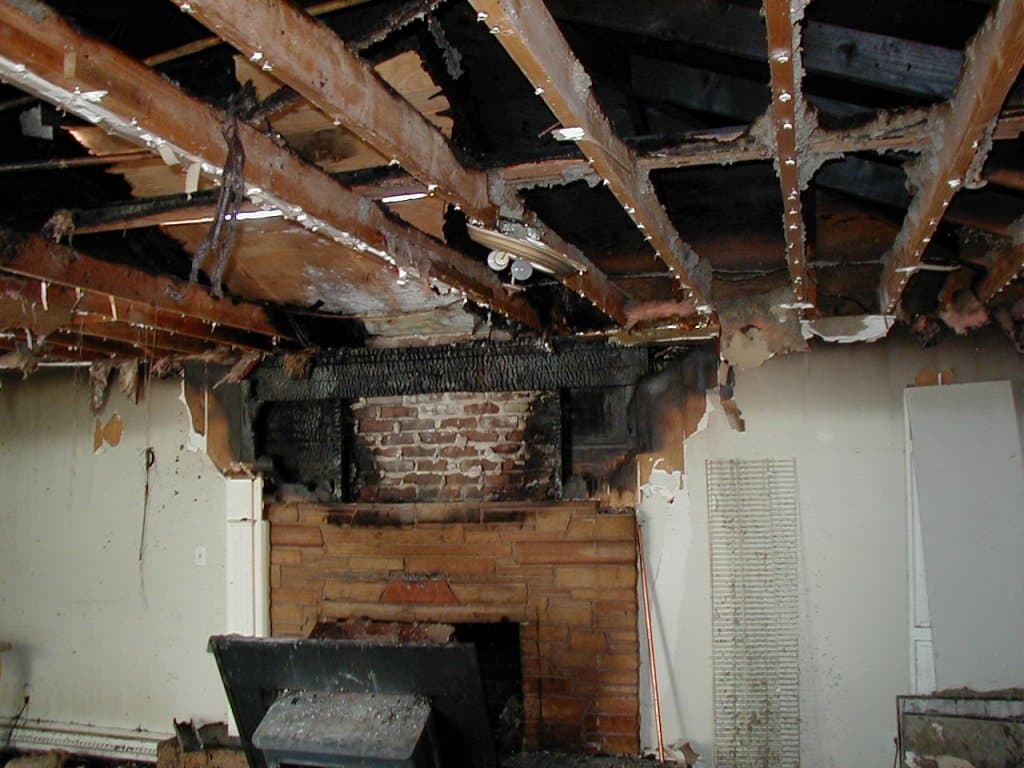
"Maximizing" a claim sounds like a euphemism for inflating one. It is not. A property policy contains several distinct coverages, and the overwhelming majority of policyholders claim only two or three of them. Not because the others do not apply, but because nobody mentioned they existed.
Here is what a complete claim looks like.
Claim every coverage, not just the obvious one
Coverage A, Dwelling. The structure. Includes damage in areas the peril did not directly reach: smoke in rooms the fire never entered, cavity moisture behind intact drywall, roof slopes that were not walked.
Coverage B. Other structures. Detached garage, shed, workshop, fence, driveway gates, pergolas. Typically around ten percent of the dwelling limit. Consistently forgotten, particularly fencing.
Coverage C. Personal property. Your belongings. The most labour-intensive part of any claim and the most underpaid, because building a proper inventory is exhausting and people give up partway.
Coverage D. Loss of use / additional living expense. The extra cost of living elsewhere: hotel or rental, meals above your normal spend, laundry, storage, pet boarding, additional mileage. Most policies allow an advance, and most policyholders never request one.
Ordinance and law. The extra cost of rebuilding to current code rather than to the standard the building was originally built to. On older Texas housing stock this is substantial, and it is routinely absent from carrier estimates unless specifically claimed.
Business income and extra expense. On commercial policies: income lost while the property is unusable, plus the cost of operating from somewhere else and the payroll you keep paying.
Read your declarations page and check which of these you carry. Then check whether your claim addresses each one.
Understand how you actually get paid
This confuses more people than any other part of the process.
Actual cash value (ACV) is replacement cost minus depreciation. If a ten-year-old roof costs twenty thousand dollars to replace and has depreciated by forty percent, ACV is twelve thousand.
Replacement cost value (RCV) is what it costs to replace with like kind and quality today.
If you carry replacement cost coverage, the carrier pays ACV first and holds back the recoverable depreciation. That holdback is released once the work is completed and documented.
Three consequences:
- The first check is not the settlement. It is a partial payment.
- The holdback has a deadline in the policy. Rebuilds run slowly after catastrophes, and policyholders reach that deadline with work unfinished and lose the balance.
- Depreciation is a judgement, not a fact. A roof depreciated at eight percent per year versus four percent produces a materially different check, and the basis for it is a legitimate question to ask.
Documentation that actually holds up
Photograph before anything moves. Every room, multiple angles, wide and close. Including rooms that look fine. That is where scope disputes happen.
Video with narration. Walk the property describing what you are seeing. It captures more than stills and it captures context.
Keep damaged property. Do not skip the ruined sofa or the failed pipe fitting. Damaged property is evidence of both value and cause.
Build the inventory room by room. Description, brand, model, approximate age, original cost, replacement cost. Use pre-loss photographs, old phone pictures, social media, video from family occasions. To jog memory and evidence ownership.
Keep every receipt from hour one. Emergency mitigation, tarping, hotel, meals, clothing, laundry, pet boarding, mileage.
Log every interaction. Date, time, who you spoke to, what was said, what was promised. This becomes important if timelines are ever disputed.
Supplemental claims are normal
A supplemental claim is an additional claim on the same loss when damage is found after settlement. This is not unusual or aggressive. It is routine, particularly where:
- Demolition exposes damage nobody could see at inspection
- Cavity moisture surfaces weeks later
- Smoke odor proves not to be resolvable by cleaning
- Code requirements emerge when the permit is pulled
- Material prices move during a long rebuild
Document it, price it, submit it in writing. Deadlines apply, so do it promptly.
Six things that reduce settlements
- Accepting the first offer because the process is exhausting and it arrived with a number attached.
- Cleaning up completely before documenting. The loss becomes whatever your photographs say it was.
- Missing the depreciation holdback deadline.
- Failing to claim additional living expense, or claiming only the hotel.
- Signing an assignment of benefits without understanding that it transfers control of your claim.
- Guessing in a recorded statement. "I don't know, I'll confirm" is a complete answer and a safe one.
Where representation changes the number
Most of the above is work you can do yourself. What is harder to do alone is the line-by-line comparison against the carrier's estimate, the specialist reports that rebut a denial, and the negotiation itself.
We prepare and negotiate property damage claims across the Houston region and Texas. There is no fee unless the claim recovers more.
Frequently asked questions
What is recoverable depreciation and how do I claim it?
Under replacement cost coverage, the insurer pays actual cash value first and withholds the depreciation. That withheld amount is released once repairs are completed and documented with invoices and photographs. It has a deadline in the policy, so track it. Rebuilds that run slowly can reach the deadline with the balance unclaimed.
Can I file a supplemental insurance claim after settling?
Yes. Supplemental claims are routine where additional damage is discovered after settlement. Commonly when demolition exposes concealed damage, cavity moisture surfaces, or code requirements emerge at permit stage. Document and price the additional damage and submit it in writing, promptly, since deadlines apply.
What is ordinance and law coverage?
It pays the additional cost of rebuilding to current building codes rather than to the standard the structure was originally built to. On older Texas properties this can be a significant sum, and it is commonly omitted from carrier estimates unless it is specifically claimed.
Should I accept the first insurance settlement offer?
Not without checking what it covers. Compare it line by line against contractor quotes and against every coverage on your declarations page. Initial estimates frequently address the obvious damage while omitting concealed damage, detached structures, code upgrades and additional living expense.