Fire & Smoke
How to Prevent Fire Damage in Your Home
Most house fires start in a handful of predictable places. Here is how to close those gaps, and how to prepare for the claim you hope never to file.
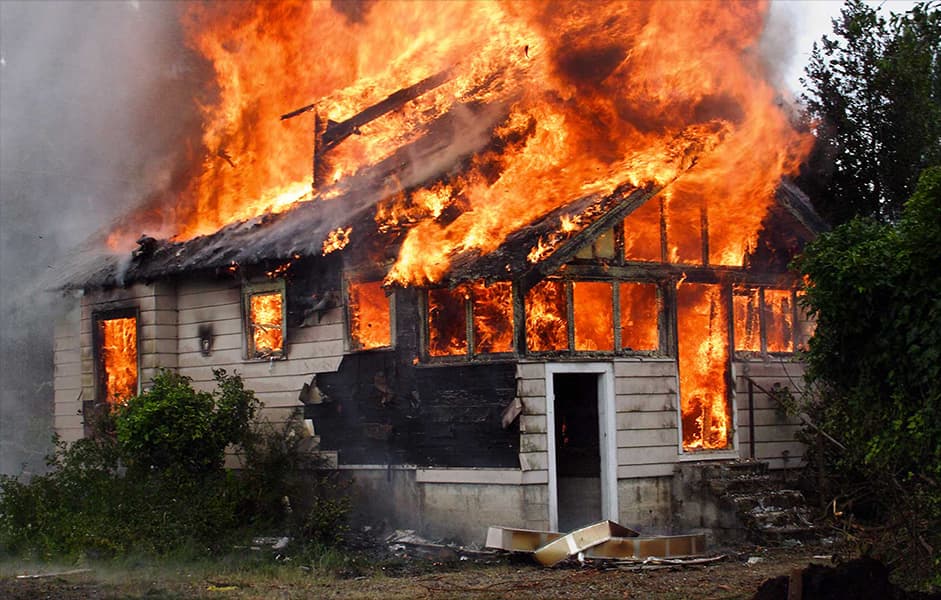
We spend our working lives on the aftermath of fires, and the pattern is repetitive enough to be worth writing down. Most residential fires start in a small number of places, for a small number of reasons, and a meaningful share of them were preventable with an hour of attention.
Cooking: the leading cause, by a wide margin
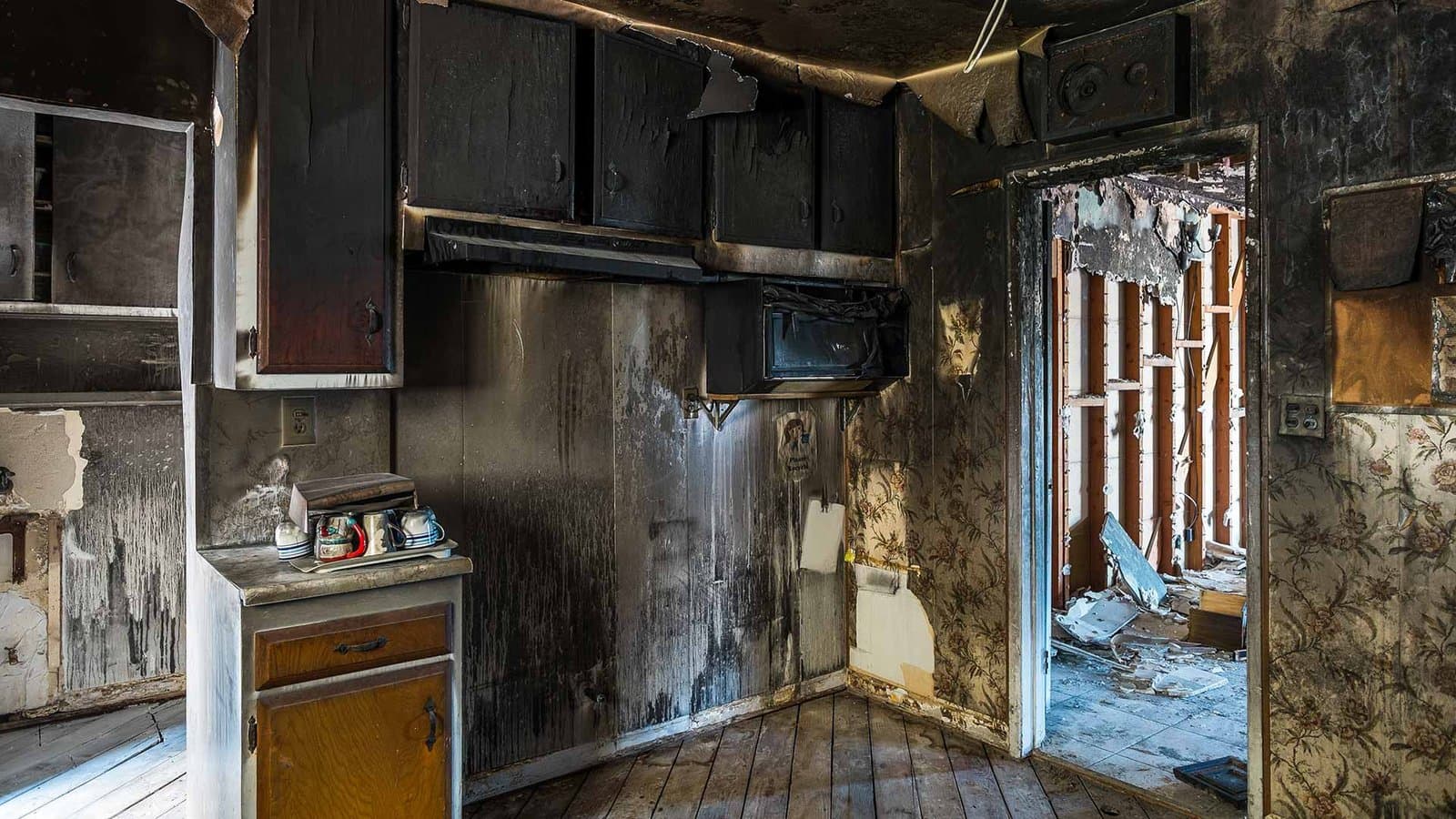
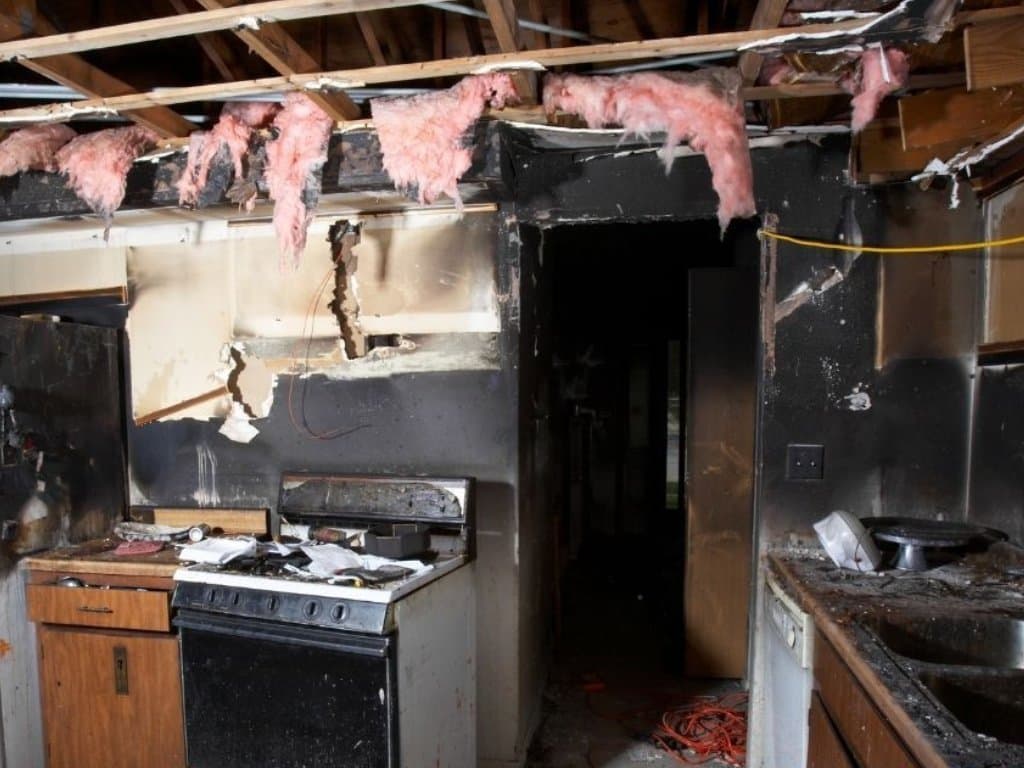
Kitchen fires cause more residential fire losses than anything else, and the mechanism is almost always the same, unattended cooking, usually frying.
- Do not leave the kitchen while frying, grilling or broiling. If you must, turn off the burner.
- Keep a lid within reach. A grease fire is smothered by sliding a lid over the pan and turning off the heat.
- Never use water on a grease fire. It turns burning oil into an aerosol and spreads it across the room.
- Keep combustibles clear of the cooktop. Tea towels, paper, packaging, curtains.
- Clean the range hood and filters. Accumulated grease is fuel directly above the ignition source.
- Keep a Class K or ABC extinguisher in the kitchen and know how to use it before you need to.
Electrical: the second cause, and the sneakiest
Electrical fires start inside walls and behind appliances, where nothing warns you until it is well established.
- Do not daisy-chain power strips. Surge protectors plugged into surge protectors are a recurring cause.
- Space heaters go straight into a wall outlet. Never an extension cord, and with a meter of clearance on all sides.
- Replace damaged cords rather than taping them.
- Take warning signs seriously. Warm outlet covers, discoloured faceplates, a persistent burning smell, breakers that trip repeatedly, lights that dim when appliances start. Any of these warrants an electrician.
- Older homes need attention. Aluminum branch wiring from the 1960s and 70s, and certain federal-brand panels from that era, have documented failure histories. If your house is that vintage and has never been inspected, have it looked at.
Heating: concentrated in a few cold weeks
Texas heating seasons are short, which is precisely why heating equipment gets neglected.
- Service the furnace annually. Gulf Coast systems sit unused for most of the year and accumulate dust that burns off as an ignition risk.
- Chimneys need sweeping before the season if you burn wood. Creosote is the fuel in a chimney fire.
- Fireplace ashes go into a metal container with a lid, outside, away from the structure. Ashes hold live embers for days.
- Space heaters are the highest-risk appliance in the house. Solid surface, clear space, never overnight, never unattended, never in a child's room.
Dryers: quiet and consistent
Clothes dryer fires are common and almost entirely preventable.
- Clean the lint filter every load. Every load.
- Have the vent duct cleaned annually, especially long or convoluted runs.
- Use rigid or semi-rigid metal ducting. Plastic and foil accordion duct traps lint and burns.
- Do not run the dryer while out of the house or asleep.
Outdoor and seasonal
- Grills go three meters from the structure, never on a wooden deck against the wall, never under an eave. Clean grease traps.
- Fire pits need clearance and supervision, and are a poor idea on a burn-ban day, check the county.
- Store fuel, solvents and propane outside the house in approved containers.
- Holiday decorations: check light strings for damage, do not overload circuits, keep live trees watered, and never leave candles burning unattended.
Detection and escape
- Smoke alarms on every level, in every bedroom and outside each sleeping area. Test monthly, replace batteries yearly, replace the alarm every ten years.
- Consider interconnected alarms so that one sounding sounds them all.
- Fire extinguishers in the kitchen, garage and near heating equipment.
- Practice the escape plan. Two ways out of every room and a meeting point outside. Do it with the children at least twice a year.
Prepare for the claim you hope not to make
The measure that saves the most money in a fire is one that takes an evening: a documented home inventory.
Walk the house with your phone recording. Narrate as you go. Open drawers, cupboards and wardrobes. Photograph model and serial plates on appliances and electronics. Capture receipts and appraisals for anything valuable.
Then store it off site. Cloud storage, or a copy at a relative's house. An inventory that burns with the house helps nobody.
Also worth doing now:
- Read your declarations page. Know your dwelling limit, contents limit, additional living expense limit and deductible.
- Check special limits. Jewelry, firearms, cash, art and collectibles carry sub-limits far below their value unless separately scheduled.
- Confirm you have replacement cost cover, not actual cash value, on both structure and contents.
- Check for ordinance and law coverage. If your house predates current code, and in Texas most do. Rebuilding to today's standard costs more than rebuilding what was there, and this endorsement pays the difference.
If a fire does happen, our guide on what to do immediately after fire damage covers the first seventy-two hours. And if a claim has already been made and the number does not add up, we handle fire damage claims across the Houston region.
Frequently asked questions
What is the most common cause of house fires?
Cooking, by a substantial margin, and predominantly unattended cooking involving frying. Electrical faults and heating equipment follow. The common factor across all three is that the risk is highest where equipment is left running without supervision.
How often should smoke alarms be replaced?
Every ten years for the unit itself, regardless of whether it still responds to the test button, because the sensor degrades. Batteries should be replaced annually and the alarm tested monthly. Alarms should be fitted on every level, in every bedroom and outside each sleeping area.
Does a home inventory really matter for an insurance claim?
Enormously. Personal property is settled on what you can document, and after a total loss you are reconstructing a lifetime of possessions from memory under stress. A video walkthrough with drawers and cupboards open, stored off site, is the single highest-value hour of claim preparation available to any homeowner.