Claims Guidance
Disaster Recovery Planning for Texas Homes and Businesses
Preparedness is usually taught as a list of supplies. The parts that actually protect your finances are documentary, and they take one evening.
Gulf Coast disaster preparation is usually presented as a supply list, water, batteries, tinned food. That matters for the first seventy-two hours. It does nothing for the eighteen months that follow, which is where the financial damage actually happens.
This is the preparation that affects recovery.
Before the season: the documentary work
Record a video inventory. Walk the property recording, narrating as you go, with every drawer, wardrobe and cupboard open. Photograph model and serial plates. Capture receipts and appraisals for valuables. Store it off site, cloud storage or a copy elsewhere.
Read your declarations page and check five things:
- Dwelling limit. Enough to rebuild at today's construction costs?
- Who covers wind? In Brazoria, Galveston, Nueces and the other designated coastal counties, wind may sit with TWIA rather than your homeowner carrier.
- Do you have flood cover? No homeowner policy includes it. A very large share of Harvey's residential flood losses were outside the mapped high-risk zones.
- Replacement cost or actual cash value, on both structure and contents?
- Your named storm deductible. Usually a percentage of the dwelling limit, not a flat amount.
Note the waiting period. NFIP flood policies generally take effect thirty days after purchase. You cannot buy flood cover with a storm in the Gulf.
Assemble the document file. Off site, physical and digital: all policies and declarations pages, claim reporting numbers, the inventory, receipts for valuables, improvement records with invoices and permits, and the closeout package from any previous claim.
Physical measures worth the money
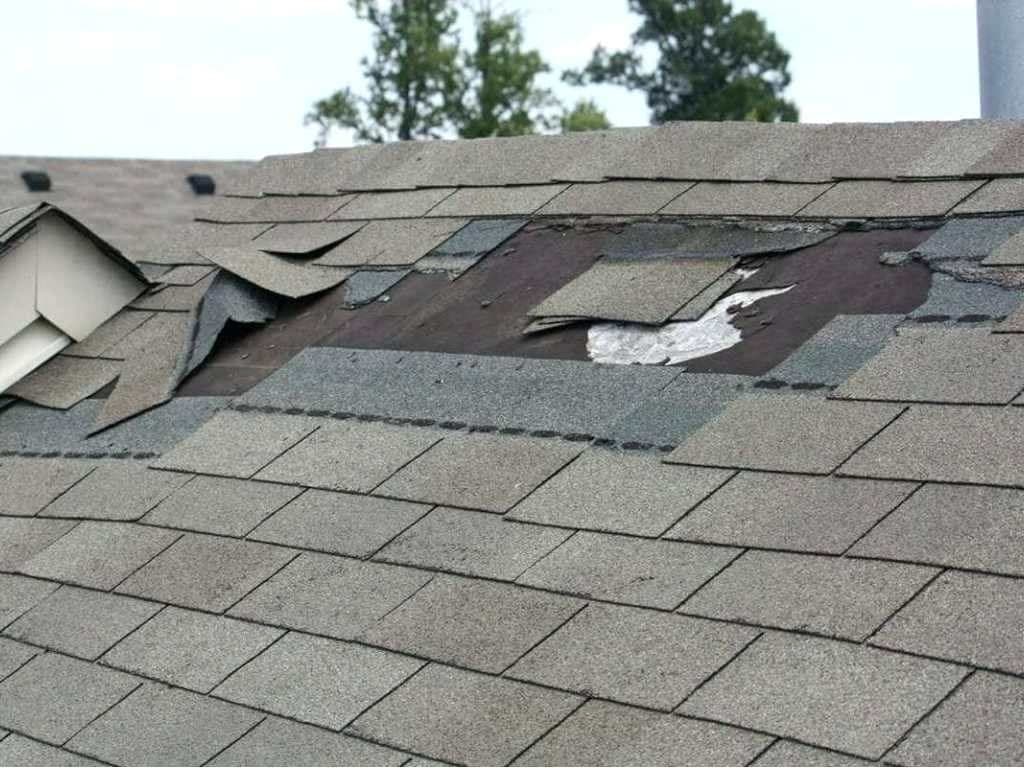
Roof. The envelope is what fails first and lets everything else in. Have it inspected before the season. Consider a secondary water barrier at the next replacement.
Openings. Impact-rated windows, doors and shutters. Garage doors are the most common catastrophic failure point in a hurricane. Once the door goes, internal pressure lifts the roof.
Trees. Remove dead limbs and anything overhanging the roof.
Drainage. Clear gutters and downspouts, extend discharge away from the foundation, check that the grading still slopes away.
Mechanicals. If you have flooded before, elevating the HVAC condenser, water heater and electrical panel removes the most expensive single item from your next flood claim.
Water leak detectors near the water heater, under sinks and behind the washing machine. Cheap, and they catch the failures that otherwise run for months.
The evacuation plan
Decide in advance what triggers leaving, where you go, and which route. Have a plan for pets and for anyone with medical needs.
Take with you: policy documents, identification, medication, a device with the inventory on it, and a physical copy of the document file.
Photograph the property before you leave. Pre-loss condition, time-stamped, is a genuinely valuable piece of evidence.
For businesses: the part that gets skipped
Commercial recovery has an entirely separate dimension, income.
Business income and extra expense coverage pays the profit you lose while the property is unusable and the additional cost of operating from somewhere else. It is the most valuable and most under-documented coverage on any commercial policy.
To claim it, you need financial records, and they must survive the event.
- Back up accounting data off site, continuously
- Keep at least twelve months of profit and loss statements accessible remotely
- Maintain payroll records
- Document normal seasonal patterns, because the claim is measured against what you would have earned
Check the period of restoration in the policy, the window during which income loss is covered. And confirm it is realistic for how long rebuilding your particular operation would actually take.
Other commercial items: a contact list for staff, customers and suppliers stored off site. Identified alternative premises. A plan for protecting or relocating stock and equipment. And a check on whether contingent business interruption applies if a key supplier is affected instead of you.
In the first seventy-two hours after
- Safety first. Do not enter a damaged structure until it has been cleared.
- Document before touching anything. Photograph and video every room, including those that look fine. Capture high-water marks before any flood cut is made.
- Prevent further damage. Tarp, board, extract. Keep receipts.
- File every applicable claim. Homeowner, windstorm and flood are separate policies with separate claim numbers.
- Start the expense log. Accommodation, meals, laundry, pet boarding, mileage.
- Start the claim log. Every call, date, time, name, content.
The thing most people get wrong
They prepare for the event and not for the recovery.
The generator matters for four days. The video inventory, the off-site document file, the flood policy bought thirty-one days before the storm, and the backed-up financial records matter for the following two years.
Our first-response guides cover the immediate steps for fire, flood and storm losses. And if a claim is already underway and not going well, we review property damage claims across Texas at no cost.
Frequently asked questions
How far in advance do I need to buy flood insurance?
National Flood Insurance Program policies generally take effect thirty days after purchase, with limited exceptions such as a policy purchased in connection with a mortgage closing. That waiting period means flood cover cannot be bought once a storm is in the Gulf. It has to be in place well before the season.
What is business interruption insurance and how do I document a claim?
It covers profit lost while your property is unusable after a covered loss, plus the extra expense of operating elsewhere. Documenting it requires financial records, profit and loss statements, payroll and evidence of normal seasonal patterns. Which must be backed up off site so they survive the event that triggers the claim.
What should I photograph before evacuating for a hurricane?
The entire property inside and out. Every room, the roof from ground level, outbuildings, fencing and vehicles. Time-stamped pre-loss photographs are genuinely valuable evidence of condition, and they take fifteen minutes. Take the document file and a device holding your inventory with you.
What is the period of restoration on a commercial policy?
The window during which business income loss is covered. Generally the time reasonably required to repair or replace the damaged property. It is worth checking that the period stated in your policy is realistic for how long your particular operation would actually take to rebuild and resume trading.