Claims Guidance
Texas Property Insurance Explained: Policies, TWIA and TDI
Texas has its own policy forms, its own windstorm pool and its own regulator. Knowing which of those apply to your house is the starting point for any claim.
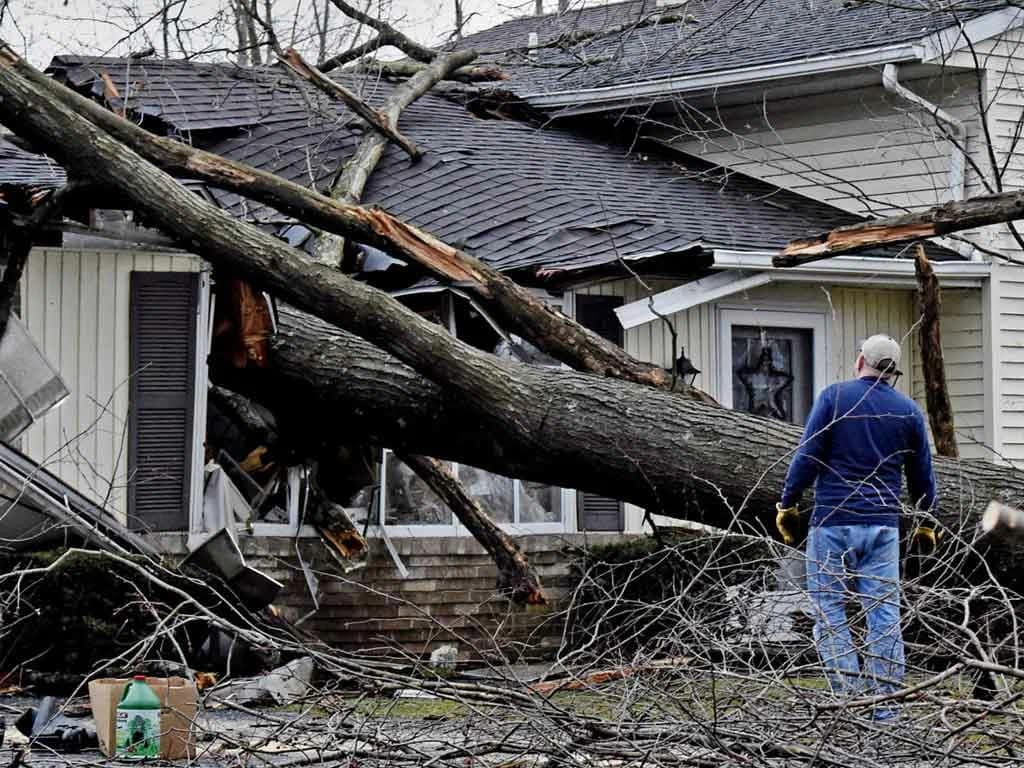
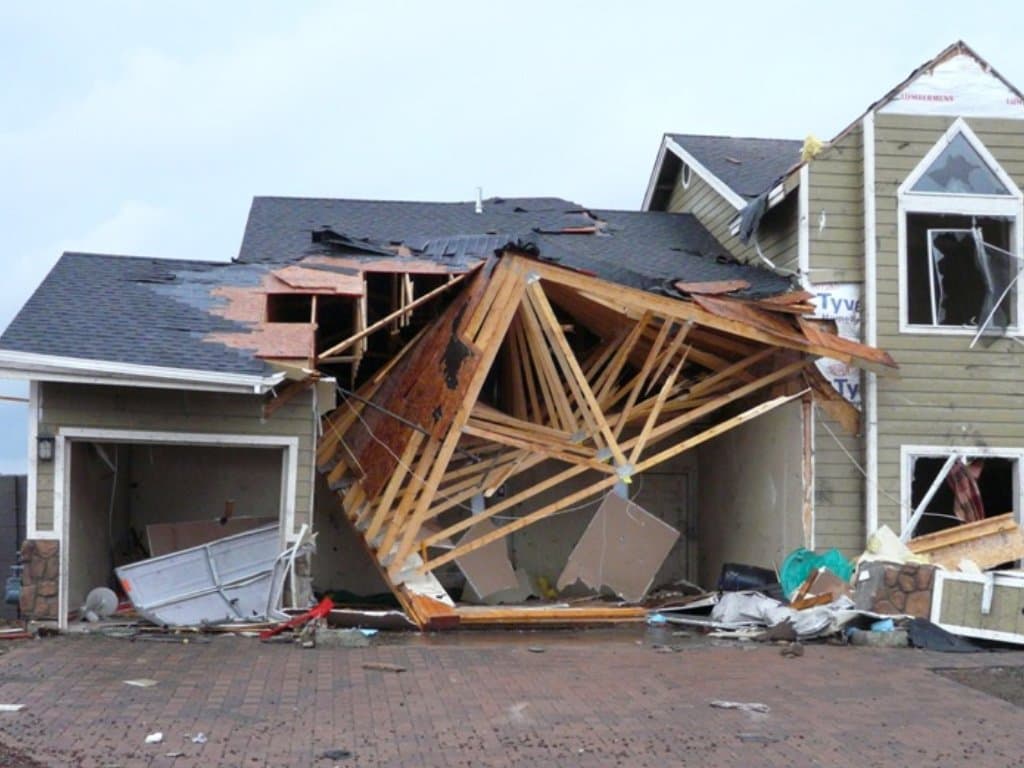
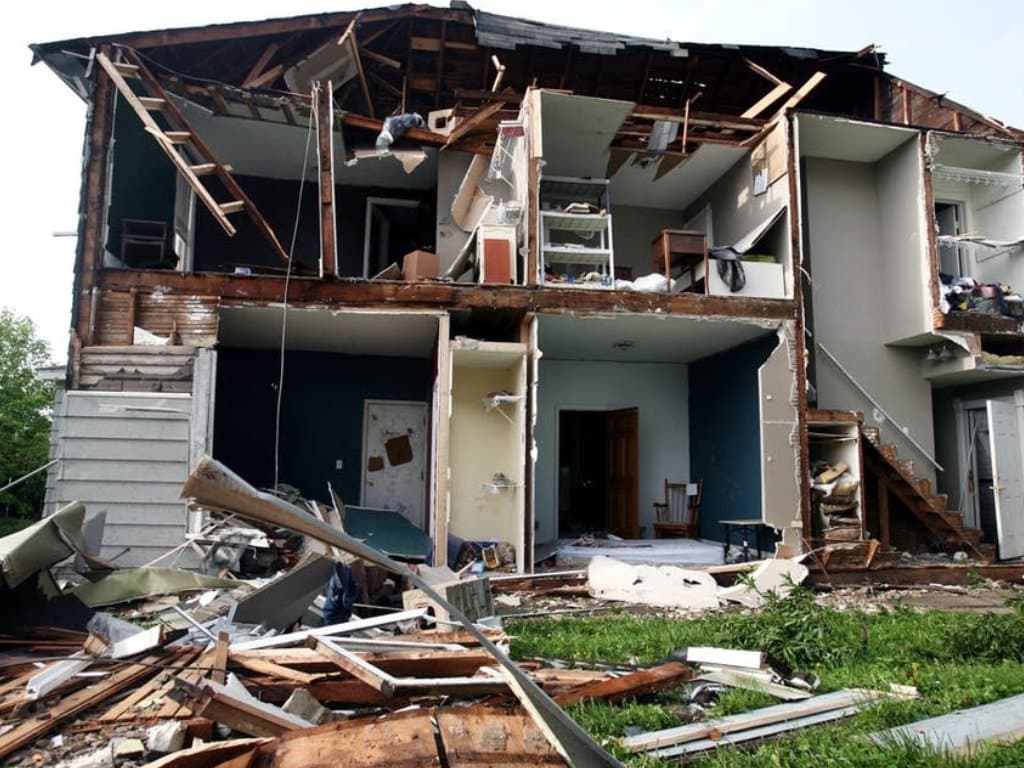
Texas property insurance is not like property insurance elsewhere. The state has its own policy forms, a state-created windstorm insurer for the coast, a separate federal program for flood, and a regulator with real teeth. Most policyholders discover all of this during a claim, which is the worst possible time.
Here is the structure, in the order it affects you.
The policy forms
Texas homeowner policies broadly come in named-peril and open-peril varieties, and the difference decides who has to prove what.
HO-A is the most restrictive commonly sold form. It is named peril: it covers only the causes of loss specifically listed. If your damage was not caused by something on the list, it is not covered. Settlement on an HO-A is frequently actual cash value, depreciated, rather than replacement cost.
HO-B is broader. The dwelling is covered on an open peril basis, meaning any cause of loss is covered unless it is specifically excluded. That reversal is significant: on an open-peril form the insurer must show that an exclusion applies, rather than you having to show the peril was listed.
HO-C / HO-3-style forms are broader again, with open-peril coverage extending further.
Which do you have? It is on your declarations page. If you have never checked, check now. The difference between a named-peril and an open-peril form is the difference between two entirely different claims.
Windstorm: TWIA and the coastal counties
Along the coast, wind and hail are often not covered by your homeowner policy.
The Texas Windstorm Insurance Association is a state-created insurer of last resort providing wind and hail coverage in the fourteen designated coastal counties, including Brazoria, Galveston and Nueces. Plus the part of Harris County east of State Highway 146.
If your wind sits with TWIA:
- It is a separate policy with a separate premium and separate limits
- It has its own claim reporting deadlines, which are strict
- It has its own appraisal process for disputes about the amount of loss
- Filing a wind claim with your homeowner carrier instead wastes weeks
Check your declarations page and know which carrier handles wind before hurricane season.
Flood: always separate, always
No Texas homeowner policy covers flood. Not one.
Flood means rising surface water. Bayou overflow, storm surge, sheet flow across saturated ground. It is covered by a National Flood Insurance Program policy or a private flood policy, and:
- Building and contents are separate coverages. Contents cover is optional, and many policyholders discover they never bought it only after a flood.
- Most structures settle at actual cash value. Replacement cost is available for a principal residence insured to at least eighty percent of replacement value.
- Claims require a sworn Proof of Loss within the policy deadline. An incomplete or unsupported one is grounds for denial.
- There is an Increased Cost of Compliance benefit toward elevating or demolishing a substantially damaged structure, and it is routinely unclaimed.
Water from a burst pipe or a storm-damaged roof is not flood, that is your homeowner policy. The distinction is about where the water came from, not how much of it there was.
Deductibles, and the one that surprises people
You likely have more than one.
Your standard deductible applies to most losses. Separately, coastal and many inland Texas policies carry a named storm or windstorm deductible, expressed as a percentage of the dwelling limit, commonly one, two or five percent.
On a home insured for four hundred thousand dollars, a two percent named storm deductible is eight thousand dollars.
Two checks worth making on any storm claim: was the event actually a named storm on your date of loss, and was the percentage applied to the correct dwelling limit? Errors on both happen.
What the Texas Department of Insurance does
TDI regulates insurers, agents and adjusters in Texas. For a policyholder, three things matter:
It licenses public adjusters. Every public insurance adjuster operating in Texas must hold a TDI license, and you can verify one directly with the department.
It takes complaints about claim handling. Free, and effective where the problem is conduct. Unreturned calls, missed statutory deadlines, denials issued without written explanation. It does not determine what your claim is worth.
It publishes consumer information, including complaint data on individual carriers.
The deadlines that run against your insurer
The Texas Prompt Payment of Claims Act puts statutory clocks on insurers: to acknowledge a claim and begin investigating, to notify you of acceptance or rejection once they have what they asked for, and to pay once a claim is accepted.
Miss those, and statutory interest and attorney's fees can attach. It is among the strongest tools Texas policyholders have and among the least used, because it requires a dated log of every submission and communication, which most people do not keep.
Start one on day one.
Three things worth doing this week
- Read your declarations page. Policy form, all four coverage limits, both deductibles, and every endorsement.
- Confirm who covers wind, and whether you have a flood policy at all.
- Check replacement cost versus actual cash value on both structure and contents.
If any of that produces a surprise, it is far cheaper to fix at renewal than to discover during a claim. And if a claim is already underway and something above does not match what you were told, we review property damage claims across Texas at no cost.
Frequently asked questions
What is the difference between an HO-A and HO-B policy in Texas?
An HO-A is a named-peril form covering only causes of loss specifically listed, often settling at actual cash value. An HO-B provides open-peril coverage on the dwelling, meaning any cause is covered unless specifically excluded. That reversal matters: on an open-peril form the insurer must prove an exclusion applies rather than you proving the peril was listed.
What is TWIA and do I need it?
The Texas Windstorm Insurance Association is a state-created insurer providing wind and hail coverage in the fourteen designated coastal counties, including Brazoria, Galveston and Nueces, plus Harris County east of State Highway 146. If you are in that territory, wind may be excluded from your homeowner policy and carried by TWIA instead.
Does any Texas homeowners policy cover flood?
No. Flood, rising surface water including storm surge and bayou overflow. Is excluded from every Texas homeowner policy. It requires a separate National Flood Insurance Program or private flood policy. Water from a burst pipe or a storm-damaged roof is a different peril and is covered by the homeowner policy.
How do I check what my Texas insurance policy actually covers?
Start with the declarations page, which lists the policy form, coverage limits for dwelling, other structures, personal property and loss of use, both deductibles, and every endorsement. Then request the full policy wording from your agent. The declarations page tells you what you have. The wording tells you what it means.