Claims Guidance
The Claim Timeline: What Happens, When, and the Deadlines That Matter
A property claim has about eight stages and roughly a dozen deadlines. Missing one of yours ends the claim. Missing one of theirs can cost them interest.
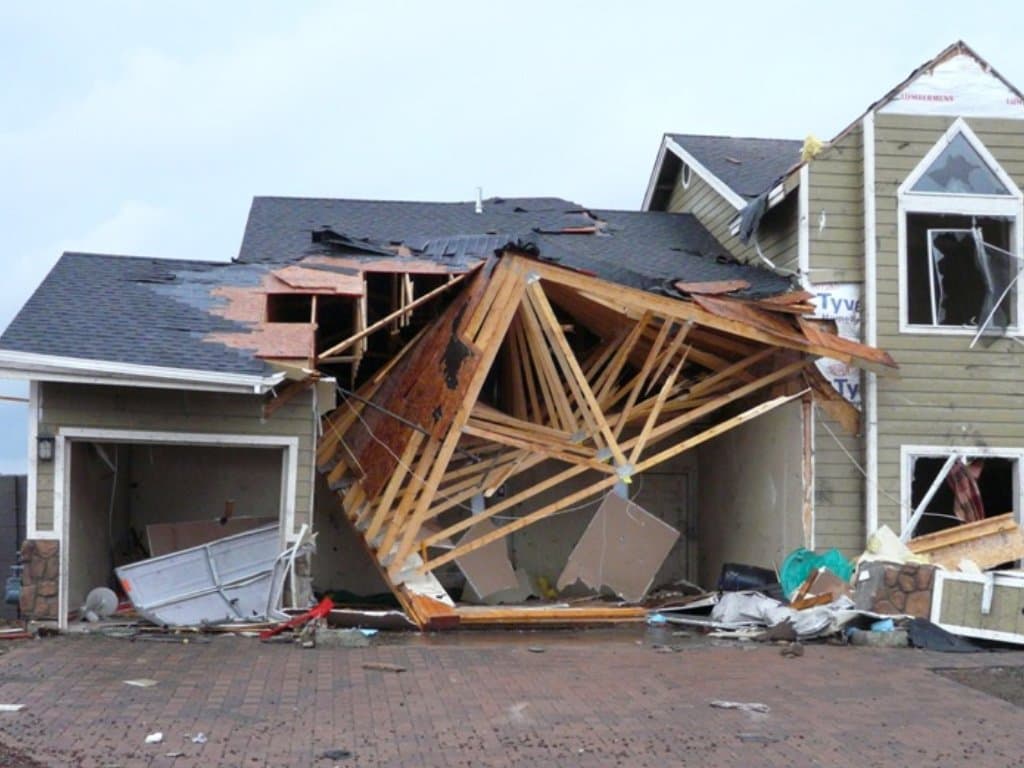
Property claims fail on timing more often than on merit. Not because policyholders are careless, but because the deadlines are scattered across the policy, the statute and the carrier's correspondence, and nobody hands you a calendar.
Here is the sequence, with the clocks marked.
Stage 1. Immediately: prevent further damage
Your obligation starts before the claim does. Every property policy requires you to take reasonable steps to prevent further loss: tarp the roof, board openings, shut off water, extract standing water.
Failing to do so can reduce or defeat the claim for damage that follows.
Keep every receipt. These costs are reimbursable.
Do not make permanent repairs yet. Temporary only, until the loss is documented.
Stage 2. Within days: report the claim
Deadline: "prompt" notice. Policies rarely give a number, which is precisely why late notice is a live defense. Report within days.
On the call, get the claim number, the adjuster's name and contact details, and the date and time. Ask what emergency services are authorised and whether an advance against additional living expense is available.
Start a log now. Every call, date, time, name, what was said. This document is what makes a Prompt Payment argument possible later.
Clock on them: the Texas Prompt Payment of Claims Act requires an insurer to acknowledge the claim and begin its investigation within a set number of days of notice.
Stage 3. Days to weeks: inspection
The adjuster inspects. After a widespread catastrophe this can take considerably longer, which is another reason to file early, queues are worked in order.
Be present if you can. Walk the property with them. Point out everything, including damage that seems minor. Take your own photographs of what they photograph.
Do not agree to anything on the spot. "I'll review the estimate when it arrives" is the right answer to every question about whether something looks acceptable.
Stage 4. Weeks: the estimate and coverage decision
The carrier issues its estimate and its position on coverage.
Clock on them: under the Prompt Payment Act, an insurer must notify you of acceptance or rejection of the claim within a set period after receiving all items it reasonably requested. If it needs more time, it must tell you in writing and give a reason.
Request the full line-item estimate, the adjuster's report and photographs, and any specialist report relied on. Read the line items, not the total.
Stage 5. Weeks: first payment
If accepted, the first payment is issued.
Clock on them: payment is due within a set period after the insurer notifies you that the claim is accepted.
Understand what this check is. Under replacement cost coverage it is the actual cash value, the depreciated figure. The withheld recoverable depreciation comes later.
If there is a mortgage, the check will likely be made out to you and your lender jointly, and the lender will release funds in stages against inspections. Start that conversation immediately, because it adds weeks.
Stage 6. Weeks to months: dispute, if there is one
If the estimate is short, this is where it gets addressed.
Submit a documented rebuttal in writing. Independent scope and estimate, photographs, contractor quotes, specialist reports, and the policy language supporting your position.
If that does not resolve it, most Texas policies contain an appraisal clause for disputes about the amount of loss. Where the dispute is about coverage, appraisal does not apply and legal advice is the next step.
Stage 7. Months: repairs and depreciation release
Repairs proceed. As they complete, you claim the recoverable depreciation by submitting invoices and photographs of completed work.
Clock on you. And this is the one people lose. The policy sets a deadline for claiming recoverable depreciation, commonly measured in months from the date of loss. After a catastrophe, contractors are booked and rebuilds run long. Policyholders reach that deadline with work unfinished and forfeit the balance.
Know your date. Diary it. If the rebuild will overrun, request an extension in writing before the deadline, not after.
Stage 8. Ongoing: supplemental claims
When demolition exposes damage nobody could see, or cavity moisture surfaces, or code requirements emerge at permit stage, that is a supplemental claim. It is routine, not adversarial.
Document it, price it, submit it in writing promptly. Deadlines apply here too.
The deadlines, collected
On you:
- Prevent further damage, immediately
- Report the claim, promptly, within days
- Cooperate with the investigation, provide documents, sit for a recorded statement
- Submit a sworn Proof of Loss if requested, and always on NFIP flood claims, within the policy deadline
- Claim recoverable depreciation, by the policy deadline
- Bring any legal action, within the limitation period under Texas law
On your insurer:
- Acknowledge the claim and begin investigating, within the statutory period
- Notify you of acceptance or rejection, within the statutory period after receiving requested items
- Pay an accepted claim. Within the statutory period
- Provide written explanation for a denial
Missed insurer deadlines can carry statutory interest and attorney's fees. Your dated log is what proves them.
The one habit that protects all of this
Keep a single running document from day one. Every call, every letter, every email, every submission, every deadline. It takes two minutes a day and it is the difference between arguing from records and arguing from memory.
If a claim is drifting, or a deadline is approaching with the work unfinished, we review property damage claims across the Houston region and Texas at no cost.
Frequently asked questions
How long does a property insurance claim take in Texas?
A straightforward claim can resolve within a few weeks, since the Prompt Payment of Claims Act sets statutory deadlines for acknowledgement, acceptance or rejection, and payment. Large losses involving contents inventories, code upgrades or disputed causation run considerably longer, and catastrophe conditions extend everything because carriers work thousands of claims in queue order.
What is the deadline for claiming recoverable depreciation?
It is set by your policy, commonly measured in months from the date of loss. It is one of the most frequently missed deadlines, because after a catastrophe contractors are booked and rebuilds overrun. Find the date, diary it, and request an extension in writing before it passes if the work will not be finished in time.
What happens if my insurance company misses a deadline?
Under the Texas Prompt Payment of Claims Act, statutory interest and attorney's fees can attach where an insurer fails to acknowledge, decide or pay a claim within the required periods. Proving it requires a dated record of every submission and communication, which is why keeping a claim log from day one matters.
Can I file a claim for damage found after my claim was settled?
Yes. That is a supplemental claim, and it is routine. Concealed damage exposed during demolition, cavity moisture that surfaces later, and code requirements that emerge at permit stage are all normal grounds. Document and price the additional damage and submit it in writing promptly, since deadlines apply.