Water & Flood
Emergency Flood Damage Cleanup: What to Do First
Floodwater is not clean water, and a flood claim is not a homeowner claim. Both facts change what you should do in the first twenty-four hours.

Flood cleanup differs from ordinary water damage response in two ways that matter enormously, and both get overlooked in the rush to start hauling ruined carpet to the curb.
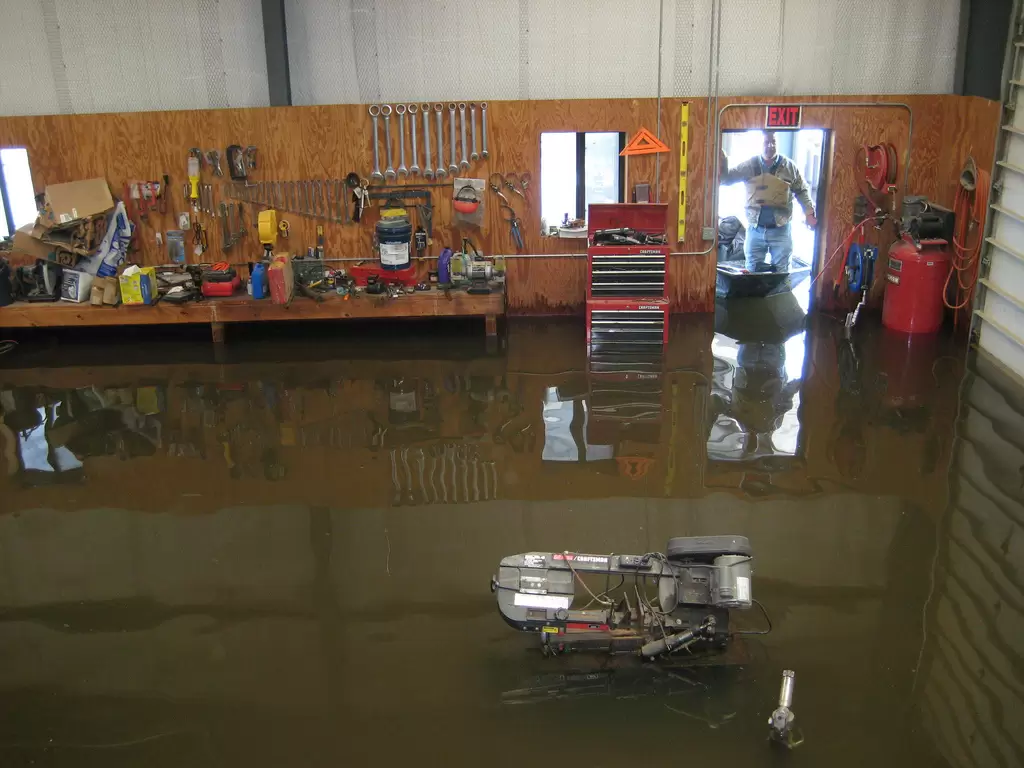
The first is contamination. Floodwater is Category 3. Grossly contaminated, carrying sewage, agricultural runoff, fuel and whatever else it passed through on its way to your house. It is a health hazard, and the cleanup protocol reflects that.
The second is insurance. Flood is not covered by your homeowner policy. It sits under a separate NFIP or private flood policy with its own documentation requirements, its own sworn Proof of Loss and its own deadlines. Claims here are denied on procedure far more often than on the facts.
Before you enter the building
- Wait for utilities to be cleared. Gas leaks and energised circuits in standing water are the two things that kill people during flood recovery.
- Assume structural risk. Saturated soil, undermined foundations and waterlogged ceilings all fail without warning. If a ceiling is bulging, do not walk under it.
- Wear protection. Waterproof boots, gloves, eye protection and an N95 at minimum. This is not optional with Category 3 water.
- Watch for wildlife. Displaced snakes, fire ant rafts and rodents move into flooded structures across the Gulf Coast.
Document before you remove anything
This is the step most flood victims skip, and it is the one that decides the claim.
Photograph the water line on every wall in every room before you cut anything. Once the flood cut is made, the physical record of how deep the water reached is gone permanently, and the depth drives the entire scope of the claim.
Then capture:
- Every room, from multiple angles, including rooms that look unaffected
- The exterior, including debris lines on fences and outbuildings
- Mechanical equipment, HVAC, water heater, electrical panel. With the water line visible against them
- Every item of damaged contents, individually where value warrants it
- A wide shot of the pile before anything leaves the property
Do not dispose of contents without recording them. Build a written inventory as you go: item, room, age, original cost, replacement cost. Photograph model and serial plates on appliances and electronics.
The cleanup sequence
1. Extract standing water once it is safe and the exterior water has receded.
2. Remove porous contaminated material. With Category 3 water, carpet, pad, upholstered furniture, mattresses and particleboard furniture are removed rather than cleaned.
3. Make the flood cut. Drywall is cut a set height above the water line, commonly a foot or two, to expose the cavity. Wet insulation comes out with it.
4. Clean and sanitise. Every surface the water touched is cleaned and treated with an antimicrobial. This is a documented step your policy pays for.
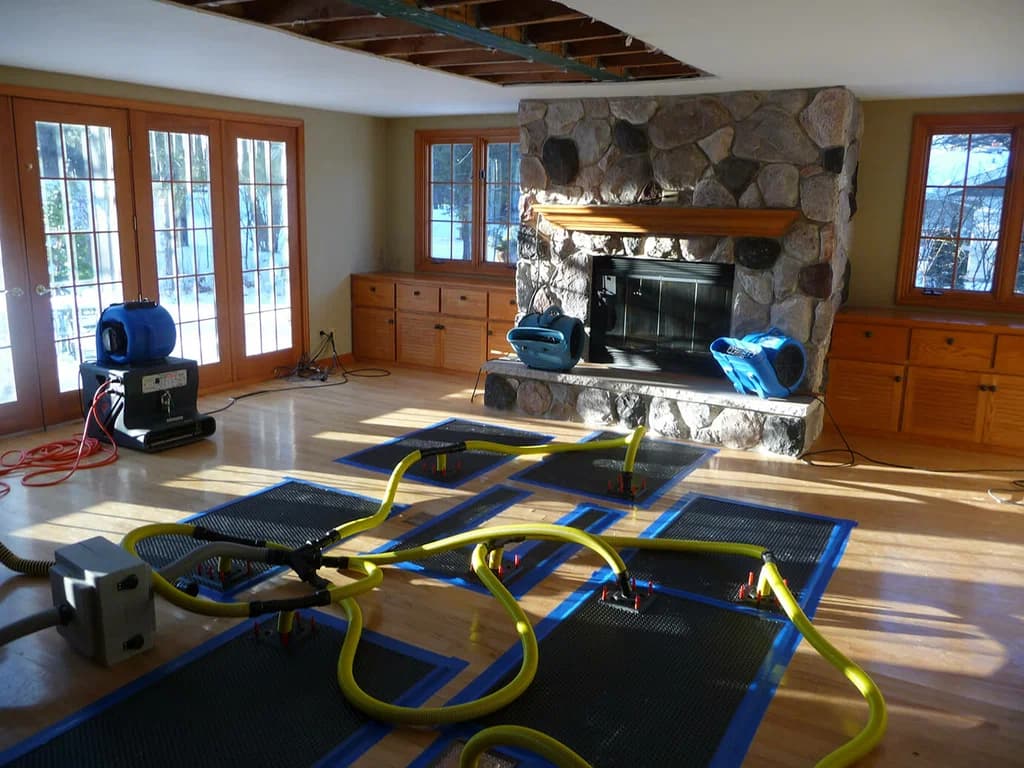
5. Dry the structure. Air movers and dehumidifiers, with daily moisture logs, until framing and subfloor reach the dry standard. In Gulf Coast humidity this takes longer than people expect.
6. Only then rebuild. Closing walls over damp framing produces a mold claim in three months that your flood policy will not pay for.
What the NFIP requires from you
National Flood Insurance Program claims run on a stricter process than homeowner claims:
- Notify your flood insurer immediately. This is a different carrier and a different claim number from your homeowner policy.
- A sworn Proof of Loss must be signed and submitted within the policy deadline, supported by your inventory and estimates. Extensions after a declared disaster are sometimes granted, but never assume one.
- Building and contents are separate coverages. If contents coverage was not purchased, personal property is not covered at all. A discovery many policyholders make only after a flood.
- Most structures settle at actual cash value, meaning depreciation is deducted. Replacement cost is available for a principal residence insured to at least eighty percent of replacement value.
- Ask about Increased Cost of Compliance. If your local floodplain official declares the structure substantially damaged, ICC contributes toward elevating, floodproofing or demolishing it. It is separate from the building payment and it goes unclaimed constantly.
Four mistakes that end flood claims
- Cutting and hauling before photographing the water line. The claim is then argued from memory.
- Assuming homeowners covers it. Rising water is excluded, always. Two policies, two claims.
- Missing the Proof of Loss deadline or filing it unsupported. This is a procedural denial and it does not care that the damage was real.
- Rebuilding over wet framing to move faster. The resulting mold is a new, uncovered loss.
If your flood claim is denied or underpaid
Procedural denials are frequently reversible if addressed quickly. We prepare and support NFIP and private flood claims across Houston, Alvin, Pearland, Friendswood, League City and Dickinson. Including the Proof of Loss and the ICC filing.
Frequently asked questions
Is floodwater dangerous to clean up myself?
Floodwater is classified as Category 3, grossly contaminated water, and typically carries sewage, chemicals and biological hazards. Minimum protection is waterproof boots, gloves, eye protection and an N95 respirator. Anyone immunocompromised, pregnant or with respiratory conditions should not be doing this work at all.
How soon must I file an NFIP flood claim in Texas?
Notify your flood insurer immediately, and be aware that the sworn Proof of Loss carries its own deadline under the policy. Extensions are sometimes issued after a federally declared disaster but are never guaranteed. An incomplete or unsupported Proof of Loss is grounds for denial regardless of how genuine the damage is.
Can I throw away flood-damaged items before the adjuster arrives?
Contaminated porous items should be removed promptly for health reasons, but not before they are documented. Photograph everything, record each item with its age and replacement cost, capture model and serial plates, and take a wide shot of the debris pile before it leaves the property.