Water & Flood
Why Water Damage Claims Get Denied, and How to Answer Each Reason
Almost every water damage denial comes down to one of six reasons. Each one has a documented answer, and most of that evidence disappears within two weeks.
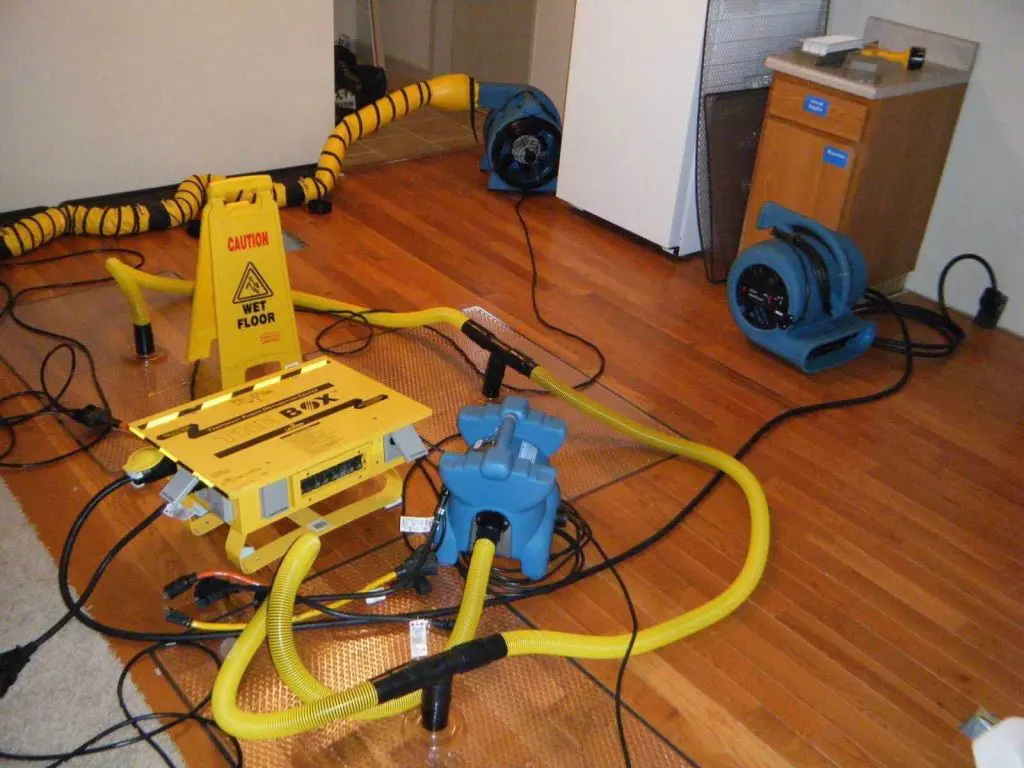
A water damage denial letter is rarely as final as it reads. It is a position based on what one adjuster saw on one visit, and in our experience it almost always rests on one of six reasons.
Each of those reasons has a specific answer. The problem is that the evidence which answers it is physical, it sits in your house, and the mitigation crew removes most of it within about two weeks. So the order matters: understand which reason you are facing, then go and capture what rebuts it before it is gone.
1. "Repeated seepage or leakage over a period of weeks, months or years"
This is the big one. Nearly every Texas homeowner policy covers water that escapes suddenly and accidentally, and excludes damage that built up slowly. If the carrier can place your loss on the slow side of that line, the claim ends.
What answers it:
- The failed component itself. A split supply line, a cracked shower pan, a burst washing machine hose. Keep it. Photograph it from several angles. A clean fracture reads very differently from a fitting that has been weeping long enough to corrode.
- The moisture gradient. A sudden release soaks a wide area to a roughly even depth. A long-term leak produces a tight, concentrated, heavily deteriorated zone at the source.
- The condition of the substrate. Particleboard that has swelled but still holds its shape indicates recent wetting. Material that crumbles indicates months.
- The extent of microbial growth. Light surface growth is consistent with days. Established colonies with staining through the material are not.
- A plumber's report naming the component and the mode of failure.
2. "The damage is from a maintenance issue you should have addressed"
Carriers use this for roof leaks, failed caulking around tubs and showers, and slab leaks they argue you should have noticed on the water bill.
What answers it: your maintenance file. Receipts for roof inspections, plumbing work, water heater replacement and HVAC servicing. Dated photographs of the area before the loss. If you reported a concern to a landlord, HOA or contractor, the correspondence.
This is the denial most worth preparing for in advance, because the evidence is paperwork you either kept or did not.
3. "This is flood, which your policy excludes"
Water that rises from outside is flood. It is excluded from every Texas homeowner policy and needs a separate NFIP or private flood policy. Water from a burst pipe or through a storm-damaged roof is not flood.
What answers it: the direction the water came from. Saturation that runs from the floor upward with a consistent line around the room indicates rising water. Saturation that runs downward from the ceiling, or outward from a wall cavity, does not. Debris lines, the condition of the exterior grade, and whether neighboring properties took water all speak to this.
If part of your loss came in through a wind-created opening in the roof and part came up from the street, that is two claims under two policies, not one denial. Our water damage and flood damage pages set out the difference.
4. "You failed to mitigate"
Your policy requires you to take reasonable steps to prevent further damage. If the carrier believes you left standing water for a week, it can reduce or deny the portion of the loss that resulted from the delay.
What answers it: the timeline. Dated photographs from the day you discovered it. The mitigation company's invoice with its arrival time. Call logs showing when you reported it. Even a text message to a family member saying the kitchen is flooding establishes the clock.
If you could not act immediately for a legitimate reason, such as being out of state or the property being unsafe, say so in writing and document it.
5. "The cost of the repair exceeds the covered scope"
Sometimes the claim is not denied so much as cut to a number that will not fund the work. That is a scope dispute wearing a denial's clothes, and it is answered differently.
What answers it: a line-by-line comparison. Request the carrier's full itemized estimate, not the summary page. Then find what is missing from it. The items left out most often are cavity drying, insulation removal, antimicrobial treatment, cabinet substrate, flooring continuity where a discontinued product cannot be matched, and the code upgrades a permit will require.
Do not argue that the offer is too low. Name the missing line, attach a photograph and a contractor quote for it, and ask for a written response on that item.
6. "Mold is excluded" or "mold exceeds the sublimit"
Most Texas policies cover mold remediation only when it results from a covered water loss, and then only up to a specific sublimit that is often well below the real cost.
What answers it: establishing that the underlying water event was covered, and that the mold is a consequence of it rather than of a pre-existing condition. An industrial hygienist's report carries real weight here. Check your declarations page for the sublimit before you agree to anything, because that number, not the remediation estimate, may be the ceiling.
What to do in the first week after a denial
- Request the file in writing. The complete itemized estimate, the adjuster's report and photographs, any engineer or specialist report relied on, and the exact policy provisions cited.
- Read the reason, not the tone. Decide which of the six above you are actually facing. The answer differs for each.
- Go and capture the evidence before more of it disappears. If mitigation has finished, work from what you photographed at the time.
- Respond in writing with specifics. One item per paragraph, each with a photograph, a quote or a report attached.
- Note your deadlines. Your policy sets a window for claiming recoverable depreciation and for bringing an action, and Texas law sets outer limits. A denial does not pause them.
When the answer is not working
If you have submitted a documented rebuttal and the position has not moved, most Texas policies contain an appraisal clause for disputes about the amount of loss. Where the dispute is about coverage rather than amount, that is a lawyer's territory rather than an adjuster's. Our guide to disputes, appraisal and the Prompt Payment Act covers the order those steps work best in.
We review denied water damage claims across Houston, Alvin, Pearland, Friendswood, League City and the surrounding Gulf Coast communities. The review costs nothing and there is no fee unless the claim recovers more.
Frequently asked questions
Can a denied water damage claim be reopened in Texas?
Often, yes. A denial is a position based on one inspection, and supplemental claims and reopenings are a normal part of the process. What governs is the deadline in your policy and under Texas law, so a denied claim should be reviewed promptly rather than set aside.
How do I prove my water damage was sudden and not gradual?
With physical evidence. Keep the failed component, because a clean fracture reads differently from a corroded fitting. Document the moisture gradient, since a sudden release soaks a wide area evenly while a slow leak concentrates at the source. The condition of the substrate and the extent of microbial growth both indicate duration, and a plumber's report naming the mode of failure supports all of it.
What should I ask my insurer for after a water damage denial?
Request the complete itemized estimate rather than the summary page, the adjuster's report and photographs, any engineer or specialist report relied on, and the specific policy provisions cited for the denial. You generally cannot rebut a decision without seeing what it was based on.
Does a denial letter stop my claim deadlines?
No. Your policy still sets a window for claiming recoverable depreciation and for bringing an action on the claim, and Texas law sets outer limits. Those clocks continue running while you dispute the decision, so note the dates as soon as the denial arrives.