Water & Flood
9 Signs of Hidden Water Damage in Your Home
Most denied water claims were not denied because the damage was fake. They were denied because nobody found it for eight months. Here is what to look for.
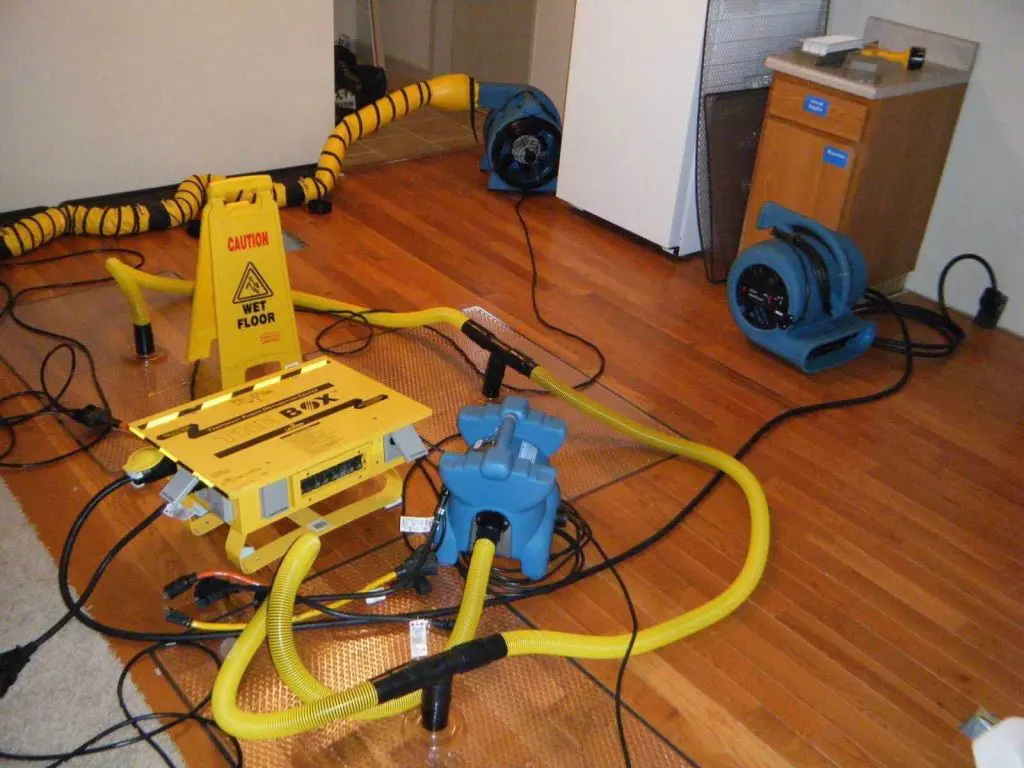
The most expensive words in a Texas water damage claim are "repeated seepage or leakage over a period of weeks, months or years." That phrase sits in almost every homeowner policy, and it is the exclusion carriers reach for first.
Here is the uncomfortable part: it is often a fair characterization. Not because homeowners are careless, but because the leaks that do the most damage are the ones nobody can see. A supply line weeping behind a cabinet, a shower pan failing under tile, a roof flashing letting in a cup of water per storm. These run for months before anything shows on the surface. By the time you notice, the clock has already run against you.
The defense is early detection. Below are the signs that concealed water is already moving through your house.
1. A water bill that crept up and never came back down
Your usage should track the season. A steady increase of a few thousand gallons a month with no change in habits usually means water is going somewhere it should not. Most often a slab leak or an underground supply line.
Check the meter directly. Turn off every fixture in the house, note the reading, and check again two hours later. If it moved, you have a leak on the pressurised side.
2. Warm or damp patches on the floor
On slab foundations, which is most of the Houston area. A hot water line failure under the slab creates a warm spot you can feel through tile or wood. Cold-line leaks show up as unexplained damp or a section of flooring that stays cool.
3. Flooring that has started to move
Hardwood that cups, crowns or lifts at the seams. Laminate that swells at the joints. Tile that sounds hollow when tapped, or grout that keeps cracking in the same place. Each of these means moisture is reaching the subfloor from below or behind.
4. Doors and windows that suddenly stick
Wood swells as it absorbs moisture. A door that has closed cleanly for six years and now catches at the top corner is telling you something about the humidity inside that wall.
5. Paint or wallpaper pulling away from the wall
Bubbling, blistering, peeling at a seam, or a patch of texture that has gone soft. Moisture behind the surface breaks the bond between the finish and the substrate. It rarely appears at the leak. It appears where the water finally ran out of somewhere to go.
6. Discolouration that is not obviously a stain
Look for faint yellow or brown haloes on ceilings, and for a section of drywall that is a slightly different shade than the wall around it. Ceiling stains directly below a bathroom are the classic sign of a failed shower pan or toilet seal.
7. A musty smell that comes and goes
Microbial growth has a distinctive earthy odor, and it often gets stronger when the air conditioning kicks on and pulls air through the affected cavity. If a room smells like a basement in a house with no basement, something behind the wall is wet.
8. Unexplained increase in indoor humidity
If your thermostat reports humidity and it has climbed with no change in weather or usage, evaporating water inside the building envelope is a likely cause.
9. Insects that prefer damp
Silverfish, cockroaches and carpenter ants are drawn to moisture. A sudden pest problem in one specific room is worth investigating as a moisture problem first.
Why this matters for your insurance claim
Under a standard Texas homeowner policy, water that escapes suddenly and accidentally from plumbing, heating, air conditioning or an appliance is covered. Water from long-term seepage is not.
That distinction is decided on physical evidence. The corrosion pattern on the failed component, the moisture gradient through the wall assembly, the extent of microbial growth, the condition of the substrate. All of it is readable in the first few days and mostly gone within two weeks, because mitigation crews cut, dry and haul.
So the sequence that protects you is:
- Stop the water and call for emergency mitigation. You have a duty under the policy to prevent further damage, and delaying that hurts you.
- Before anything is cut or removed, photograph and video everything. The failed component, the affected rooms, the extent of the water, and the areas that look untouched.
- Keep the failed part. A corroded fitting or a split supply line is the single best piece of evidence about how the failure happened.
- Keep every invoice from the first hour.
- Report the claim promptly and note the claim number, adjuster name and date.
When to bring in a public adjuster
If your claim has already been denied as gradual damage, or the settlement offer covers the visible room and nothing behind the walls, an independent assessment is worth having. A public insurance adjuster works for you rather than the carrier, and can build the moisture mapping and cause-of-loss documentation that a gradual-damage denial has to be answered with.
We handle water damage claims across Houston, Alvin, Pearland, Friendswood, League City and the surrounding Gulf Coast communities. The initial review costs nothing.
Frequently asked questions
How long does it take for hidden water damage to cause mold?
Microbial growth can begin within twenty-four to forty-eight hours on wet organic material such as drywall paper, wood and insulation. In a concealed cavity with no airflow and Houston-level humidity, growth is usually well established long before any surface sign appears.
Will my insurance cover water damage I did not know about?
It depends on how long it had been happening. Sudden and accidental water escape is covered. Damage from repeated seepage over weeks or months is excluded in most Texas policies. Because the carrier decides which applies, the physical evidence of duration, captured before mitigation destroys it, is what determines the outcome.
Should I get a leak detection inspection before filing a claim?
Locating and documenting the source first is generally sensible, because a claim filed without a known cause of loss invites a gradual-damage investigation. A leak detection report identifying a specific failed component supports the sudden-and-accidental position from the outset.