Storm & Hail
Understanding Storm Damage: Causes, Effects and Recovery
Wind, hail, surge and debris damage buildings in completely different ways. Knowing which mechanism hit your property tells you where to look for the damage nobody scoped.
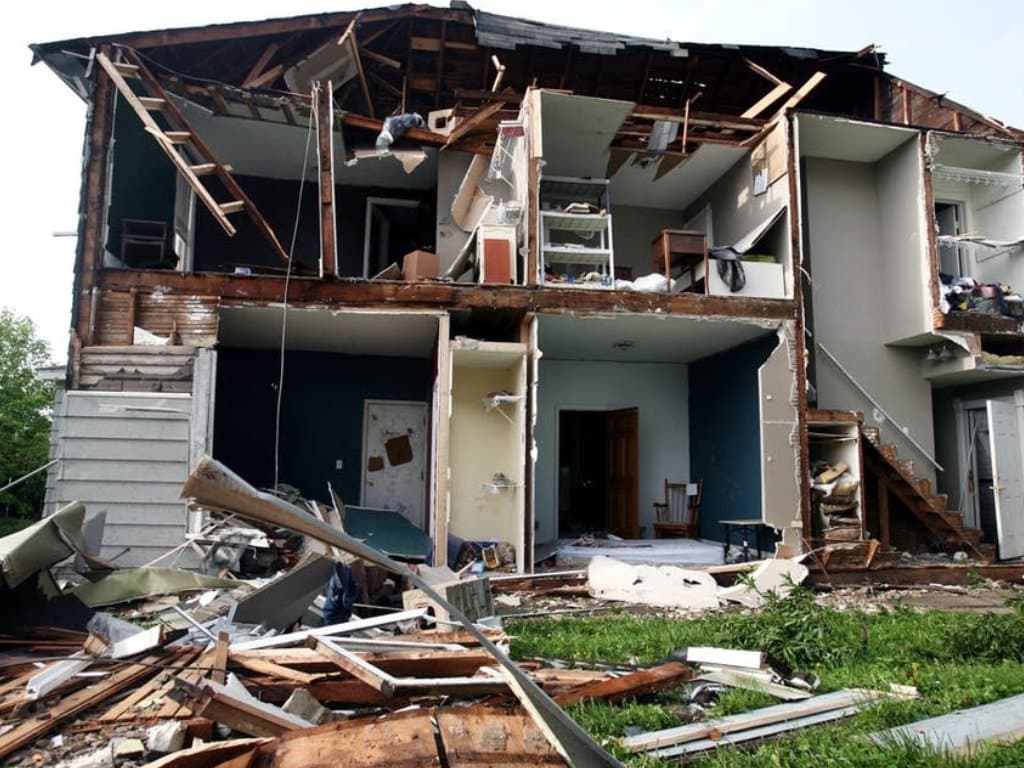
"Storm damage" describes an outcome, not a mechanism. A building damaged by wind uplift fails differently from one damaged by hail impact, which fails differently again from one hit by surge or debris.
That distinction is practical rather than academic. Each mechanism leaves damage in predictable places, and knowing which one hit your property tells you exactly where to look for the losses a quick inspection missed.
Wind uplift
Wind does not push a roof off. It lifts it.
Air accelerating over a roof surface creates negative pressure above it, while pressure inside the building pushes up from below. The result is uplift, concentrated at the edges, corners and ridges where airflow separates most violently.
Where the damage appears:
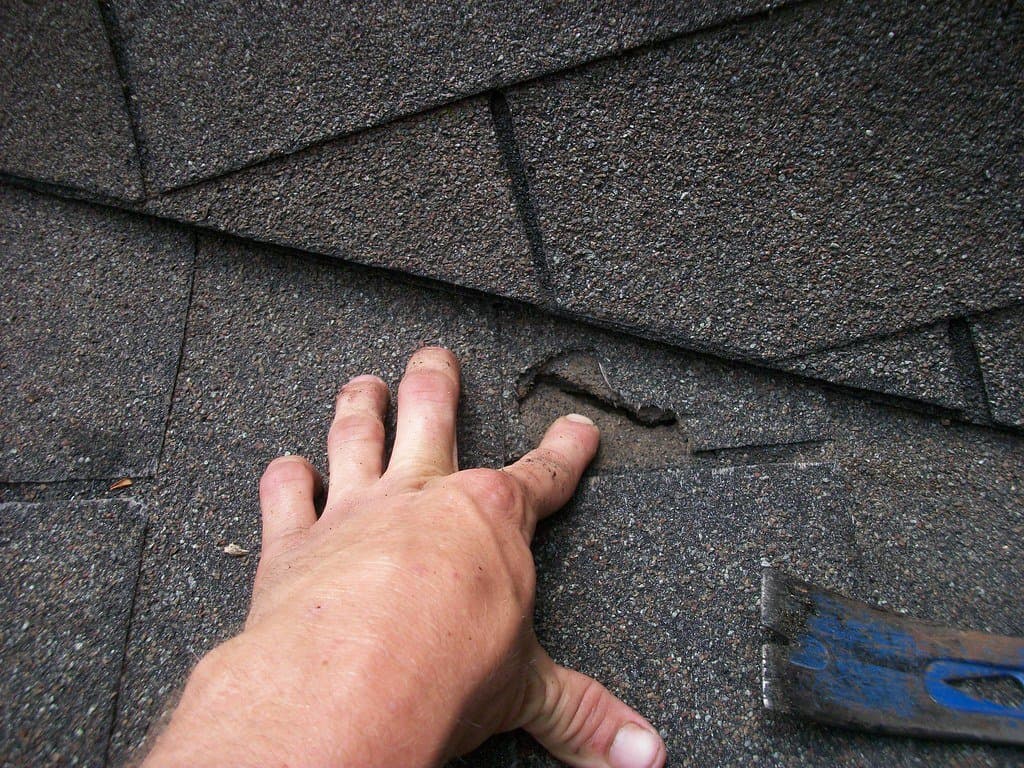
- Lifted or creased shingles along ridges, hips, rakes and eaves, creasing is the critical one, because a creased shingle has broken its seal and will fail even though it is still in place
- Torn or displaced underlayment beneath the covering
- Decking uplift at fasteners, visible from inside the attic as daylight or nail displacement
- Failed flashing at every penetration. Chimneys, vents, valleys, wall junctions
- Soffit and fascia damage, which lets wind-driven rain into the attic directly
What gets missed: creased shingles that look intact from the ground, and soffit failure that produces attic and ceiling damage nobody connects to the roof.
Hail impact
Hail is a percussive load. Stones strike at speeds increasing with size, and the damage is a fracture rather than a displacement.
Where the damage appears:
- Circular bruises with granule loss, softness on thumb pressure, and a fractured mat beneath
- Dented soft metals. Gutters, downspouts, vents, flashing, condenser fins
- Cracked or shattered skylights and window glazing
- Damaged siding, screens and soft trim on the strike elevations
- Punctures on low-slope membrane roofing, which may not leak for months
What gets missed: everything that is not the roof. Elevations, screens, condensers and skylights are routinely omitted from hail scopes.
Wind-driven rain
This is the mechanism that causes the most disputes, because it sits exactly on the boundary between two policies.
Rain driven horizontally at pressure enters wherever the envelope has been opened. A lifted shingle, a failed flashing, a broken window, a damaged soffit. It then travels inside the assembly and appears somewhere else entirely.
Where the damage appears:
- Ceiling staining and collapse, often several rooms from the point of entry
- Saturated insulation, which holds moisture for weeks and produces later mold
- Wet wall cavities behind intact-looking drywall
- Damaged flooring beneath, where water ran down inside a wall
What gets missed: cavity moisture. Surface staining understates the affected area substantially, and only moisture mapping shows the real extent.
Coverage point: damage from rain entering through a wind-created opening is generally a windstorm loss. Damage from rain entering a building that was already deteriorated is generally a maintenance exclusion. That distinction is worth documenting carefully.
Storm surge and rising water
Surge is a mass of water pushed inland by wind. It loads structures laterally, carries debris and scours foundations.
Where the damage appears:
- Saturation from floor level upward, the opposite of wind-driven rain
- Undermined foundations, displaced piers and pilings
- Submerged mechanical and electrical equipment
- Contamination of every porous material the water touched
Coverage point: surge is flood. It is excluded from homeowner and windstorm policies without exception and requires separate flood coverage.
Tornado and extreme wind
Texas records more tornadoes than any other state, and the Gulf Coast gets them embedded in landfalling tropical systems.
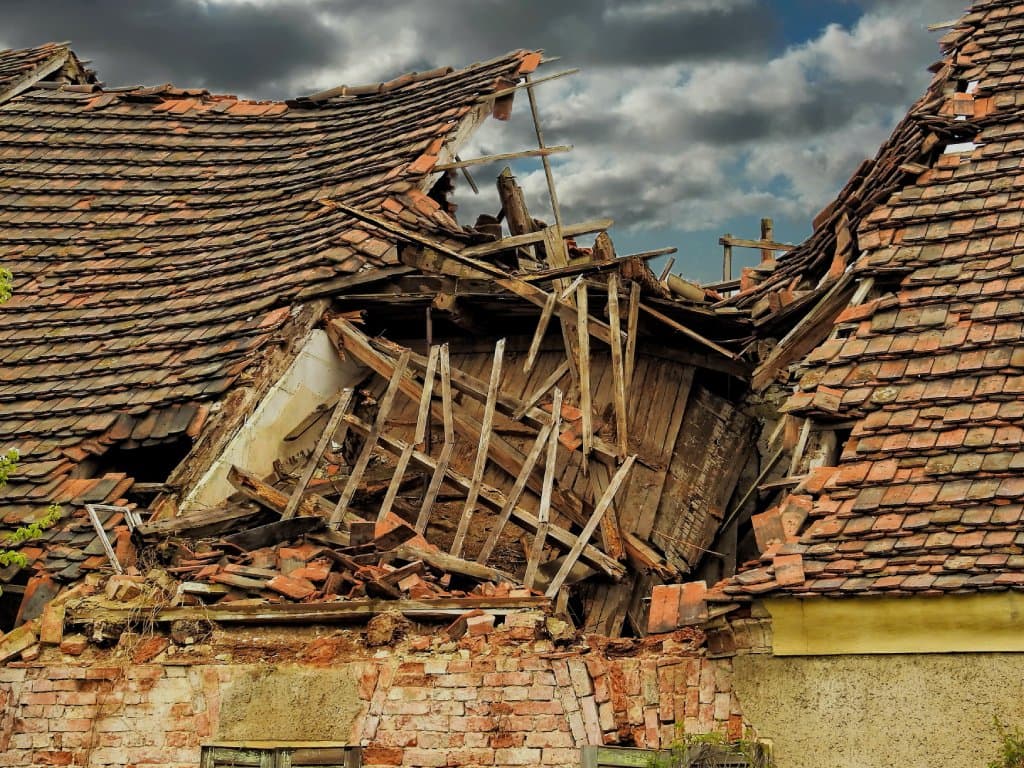
Tornado damage is distinguished by its discontinuity, total destruction beside intact structures. And by directional chaos rather than a single consistent wind vector. Debris impact becomes a primary mechanism rather than a secondary one, and pressure differentials can fail walls outward.
Claims are usually about total loss valuation rather than scope disputes.
Debris impact
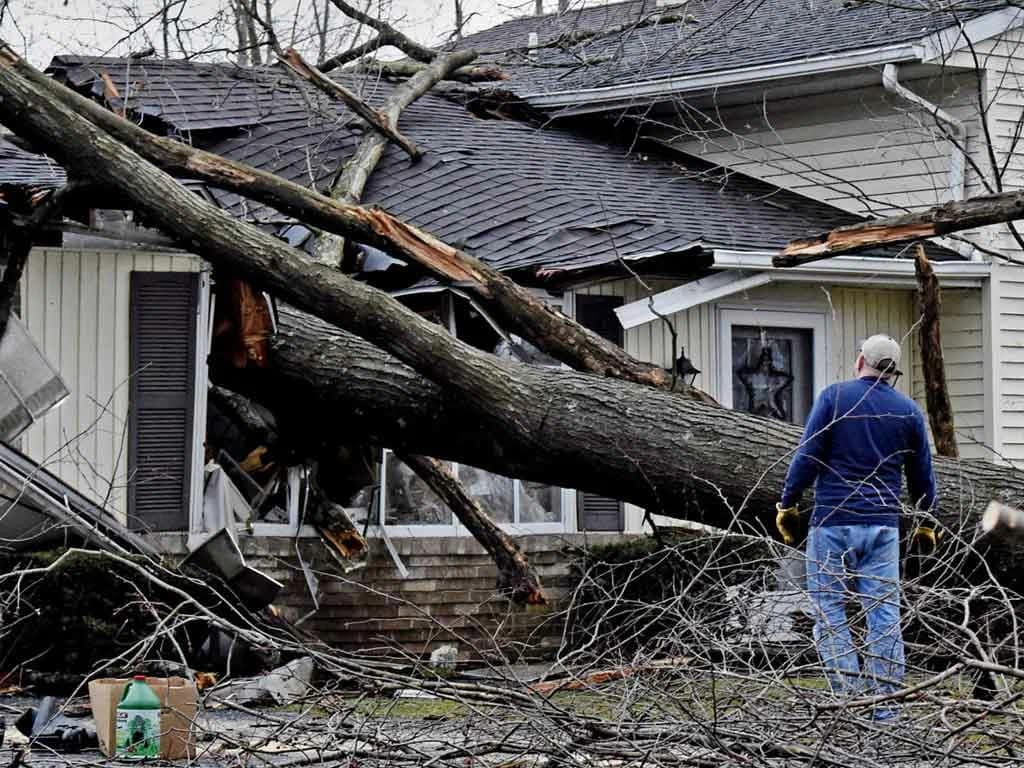
In any severe storm, the air carries material. Roof tiles, timber, fence panels, tree limbs and unsecured outdoor items become projectiles.
Where the damage appears: roof punctures, broken glazing, siding penetration, damaged vehicles and structural damage from large impacts such as fallen trees.
Coverage point: damage caused by a fallen tree is generally covered, along with reasonable removal cost, whether the tree was yours or a neighbour's. Removing a tree that fell without damaging anything insured is usually limited or excluded.
What recovery involves
Immediately: make the property safe, document everything before temporary repairs, tarp and board to prevent further damage, keep every receipt.
Within days: file every applicable claim. Homeowner, windstorm and flood are separate. Get an independent scope if the property took significant damage.
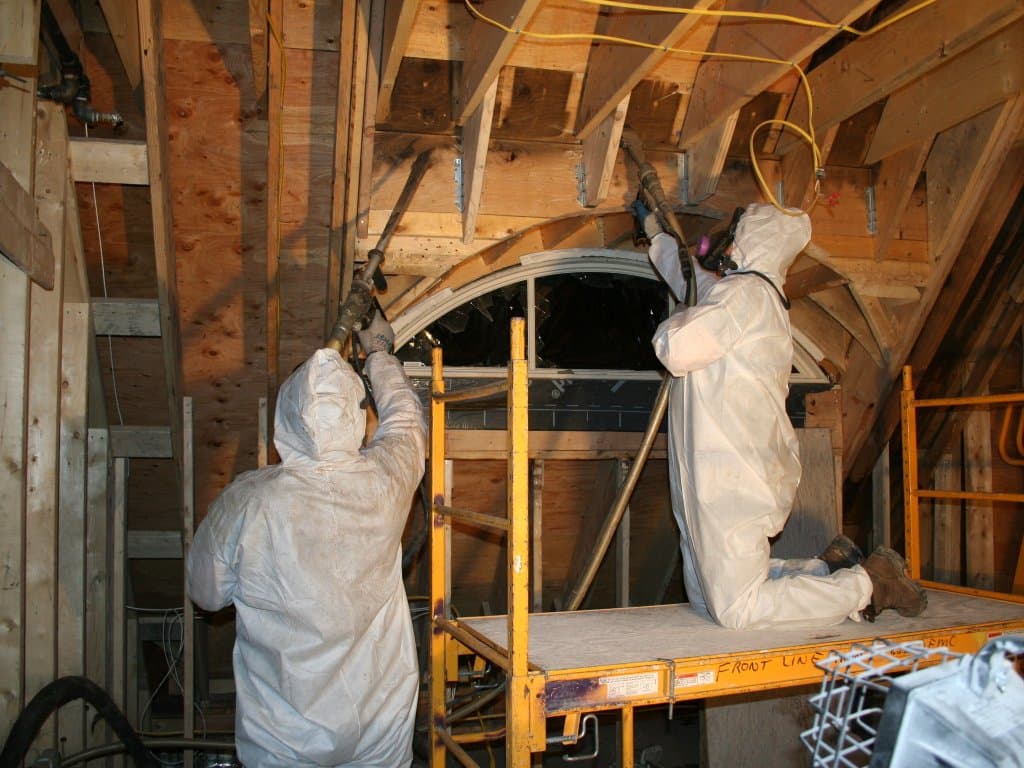
Within weeks: structural drying to a documented dry standard before any rebuild. Moisture logs, not guesswork.
Then: rebuild, tracking the depreciation holdback and its deadline if you carry replacement cost coverage.
Where an independent scope helps most
Multi-mechanism losses. When wind, rain, hail and water have all hit the same building, a single carrier inspection routinely captures one mechanism and misses the others.
We document storm damage claims across Houston, the Galveston County communities and the Texas coast, including the wind-versus-flood allocation that decides which policy pays.
Frequently asked questions
What is the difference between wind damage and wind-driven rain damage?
Wind damage is the physical failure caused by pressure. Lifted shingles, displaced decking, failed flashing. Wind-driven rain damage is the water that then enters through the opening wind created. Both are generally covered under a windstorm or homeowner policy, provided the opening was created by the storm rather than by pre-existing deterioration.
How can I tell if my roof has wind damage?
Look for creased shingles rather than only missing ones. A creased shingle has broken its seal and will fail even while it appears intact. Check ridges, hips, rakes and eaves where uplift concentrates, inspect flashing at every penetration, and look inside the attic for daylight, displaced nails or damp decking.
Is storm surge covered by my homeowners policy?
No. Storm surge is treated as flood under standard Texas policy definitions and is excluded from homeowner and windstorm policies without exception. It requires separate National Flood Insurance Program or private flood coverage.
Why does my ceiling damage appear far from the roof damage?
Because wind-driven rain travels inside the building assembly. Water entering at a lifted shingle or failed soffit runs along framing and decking before finding a place to drop through. Surface staining also significantly understates the affected area. Only moisture mapping shows how far it actually went.