Storm & Hail
Roof Claim Denied for Wear and Tear? Here Is How to Answer It
A wear and tear denial is an opinion formed in twenty minutes on one slope. It is answered with measurement, and the measurement is not difficult.
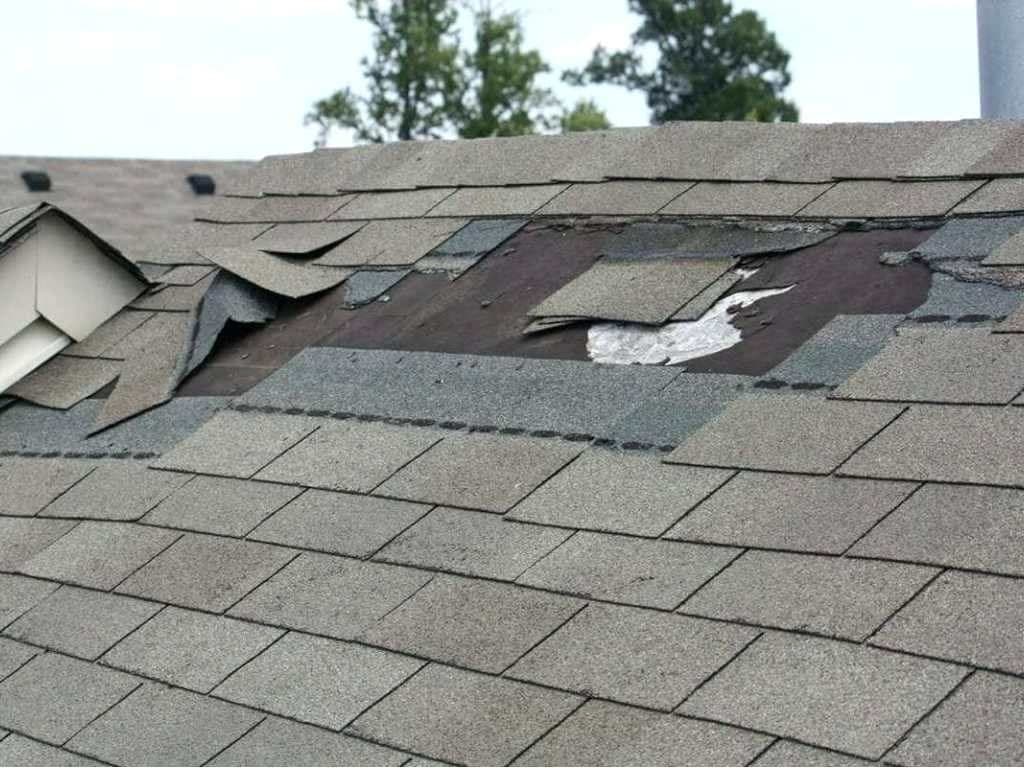
Texas leads the country in hail losses most years, and hail is also the peril most likely to be denied. The wording varies a little but the substance is always the same. Your roof is old. What we observed is granule loss consistent with age and weathering. No covered damage was identified.
That determination is usually reached in about twenty minutes, from one slope, by an adjuster with several more inspections that day. It is an opinion. Opinions are rebuttable, and in our experience this is among the most frequently reversed decisions in Texas property claims.
Here is what the reversal is built from.
Start with the soft metals
The roof is contested territory. The soft metals are not, and this is where a wear and tear denial usually comes apart.
Hail dents thin metal, and those dents cannot be attributed to age, foot traffic, manufacturing defect or ordinary weathering. Check and photograph:
- Gutters and downspouts, including the back face where damage is often missed
- Roof vents, turbines and ridge vents
- Flashing and drip edge
- Fascia and any metal trim
- The fins on your air conditioning condenser, which is the single most reliable witness on the property
If those surfaces are pockmarked, hail of a damaging size struck the property. The roof was under the same sky. That does not by itself prove the shingles failed, but it removes the argument that nothing hit the house.
Then measure the roof instead of describing it
Test squares. A marked ten foot by ten foot area on every slope, with the impact count inside it recorded and photographed. This converts a subjective call into a number. Industry practice treats a threshold number of impacts within a test square as a damaged slope, and a count is far harder to wave away than an impression.
Every slope, not the accessible one. Hail falls at an angle, driven by wind, so damage concentrates on the elevations that faced the storm. An inspection that walked the front slope and stopped has not examined the roof.
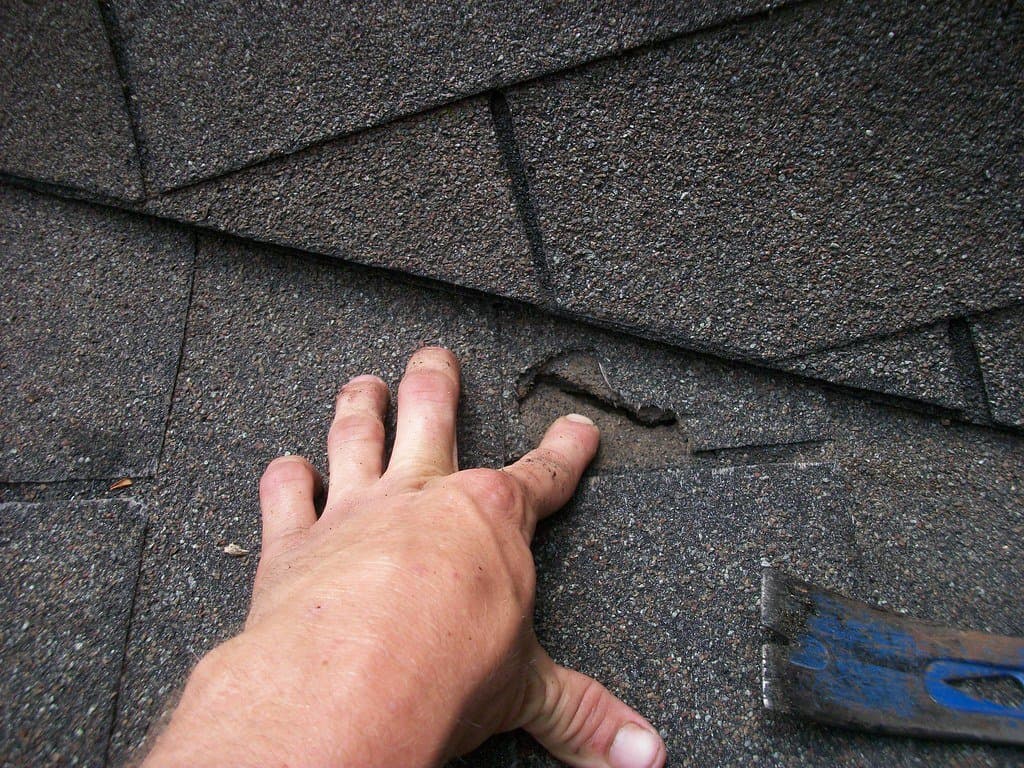
The fracture test. Genuine hail damage leaves a round bruise with granule loss, and the bruise feels soft under thumb pressure because the fiberglass mat beneath has fractured. That is functional damage, not cosmetic marking. It accelerates granule loss and compromises the water seal. Document it by touch as well as by photograph, because a photograph alone does not show softness.
What is not hail damage. Blistering is round but shows no fractured mat and no directional pattern. Mechanical scuffing from foot traffic is linear. Granule loss along the drip edge is normal weathering. Knowing the difference protects your credibility on the items that are real.
Tie it to a dated storm event
A wear and tear denial implies gradual deterioration. A dated hail report for your property coordinates implies a specific event on a specific day.
Obtain the storm data for your address covering the date of loss, showing reported hail size and wind speeds. This does two things. It establishes that a qualifying event occurred, and it rebuts any suggestion that the damage predates the policy.
If the event was recent, this is straightforward. If two seasons have passed, it is harder, which is the practical argument for not letting a suspected hail claim sit.
Read the cosmetic damage endorsement carefully
A growing number of Texas policies carry a cosmetic damage exclusion, and carriers apply it broadly to hail.
Read what it actually says. These endorsements are generally written for metal roofing and siding, where a dent affects appearance without shortening service life. They are considerably harder to apply to asphalt shingles where impact has fractured the mat, because a fractured mat does shorten service life.
If a cosmetic exclusion has been applied to an asphalt roof with soft, fractured bruising, that is worth challenging in writing.
Matching, and why a patch is not a repair
Shingle lines change constantly, and a discontinued product cannot be matched. A slope patched in a visibly different color has not been restored to its pre-loss condition.
Texas policies vary in how they treat this and carriers rarely volunteer full-slope replacement. Where a reasonable match is genuinely unavailable, make the argument for replacing the continuous area in writing, with photographs showing the mismatch.
Two practical warnings
Do not let it sit. Hail damage does not leak immediately. A compromised roof can hold for two seasons before the first ceiling stain appears, and by then you have three problems rather than one: the original damage, a late notice argument from the carrier, and interior water damage that may now be excluded as a maintenance failure.
Your roofer cannot handle the claim. In Texas it is unlawful for a roofing contractor to act as a public insurance adjuster on a property they are also contracting to repair. A roofer prices and performs the work. A licensed public adjuster documents the loss and negotiates the settlement. Using one person for both roles puts the claim at risk.
Putting the rebuttal together
A response that moves a carrier contains test squares with impact counts for every slope, soft metal photographs, a dated storm report for the coordinates, close documentation of fractured mat where it exists, and a line-by-line comparison against whatever estimate was issued. Submit it in writing and ask for a written response.
We handle denied hail damage and storm damage claims across Houston, Pearland, Alvin, Friendswood, League City and throughout Texas. Reviews are free and there is no fee unless the claim recovers more.
Frequently asked questions
Why was my hail claim denied as wear and tear?
Usually because the inspection was limited. One slope, a visual walk, no test squares and no impact count produce an opinion rather than a measurement. That is rebuttable with slope by slope test squares, soft metal corroboration from gutters, vents and condenser fins, and a dated hail report for your coordinates.
How do I prove hail damage rather than age?
Hail leaves round bruises with granule loss that feel soft under thumb pressure, because the fiberglass mat beneath has fractured. Age-related granule loss does not fracture the mat and shows no directional pattern. Corroborating dents on gutters, vents, flashing and air conditioning condenser fins cannot be attributed to age at all.
What is a test square on a roof inspection?
A marked ten foot by ten foot area on a slope within which hail impacts are counted and photographed. Taking one on every elevation turns a subjective judgment about the roof into a documented number, which is considerably harder for a carrier to dismiss than a general impression.
Can a cosmetic damage exclusion be applied to an asphalt shingle roof?
It is applied far more often than the wording supports. Cosmetic damage endorsements are written primarily for metal roofing and siding, where a dent affects appearance without shortening service life. Where hail has fractured the mat of an asphalt shingle, the damage is functional, because it accelerates granule loss and compromises the water seal.