
Storm, Wind & Hurricane
On the Gulf Coast, one storm can involve a homeowners policy, a windstorm policy and a flood policy at once. We document where the wind opened the structure and where the water came from, so each claim rests on evidence.
What the carrier's inspection tends to miss
- 01
Wind versus water causation
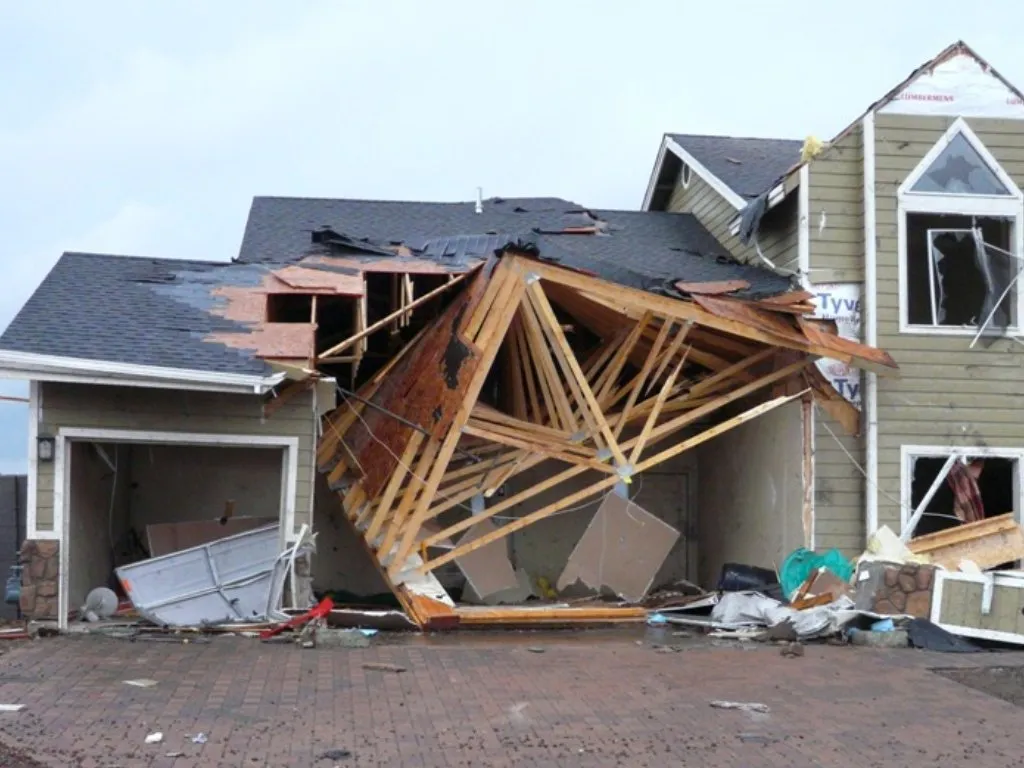
The record that separates a wind-made opening from rising water decides which policy answers for which room.
- 02
The wrong windstorm deductible
Percentage deductibles depend on the insured value and on whether the storm qualified, so the carrier's calculation is worth checking.
- 03
Roof envelope details
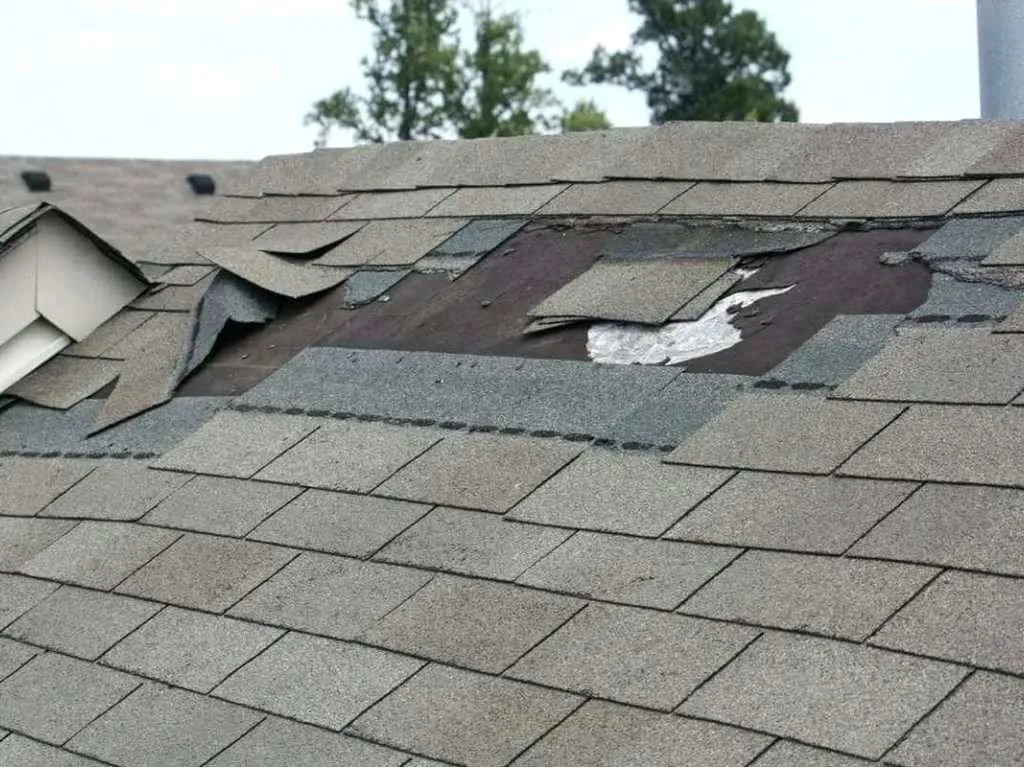
Creased and missing shingles, decking uplift, ridge damage and flashing at penetrations are easy to undercount.
- 04
Detached structures and fences
Outbuildings, fences and debris strikes often fall outside the first inspection.
- 05
Interior water from a wind opening
Rain that entered through an opening the wind created may be handled differently from flood water.
- 06
Business income and extra expense
Commercial policies may cover lost income and the cost of operating elsewhere while the property is unusable.
What gets documented on a claim like yours
- Direction and pattern of wind damage
- High-water marks and debris lines
- Roof shingles, decking, underlayment and flashing
- Where and when water entered the structure
- Windstorm or named storm deductible and insured value
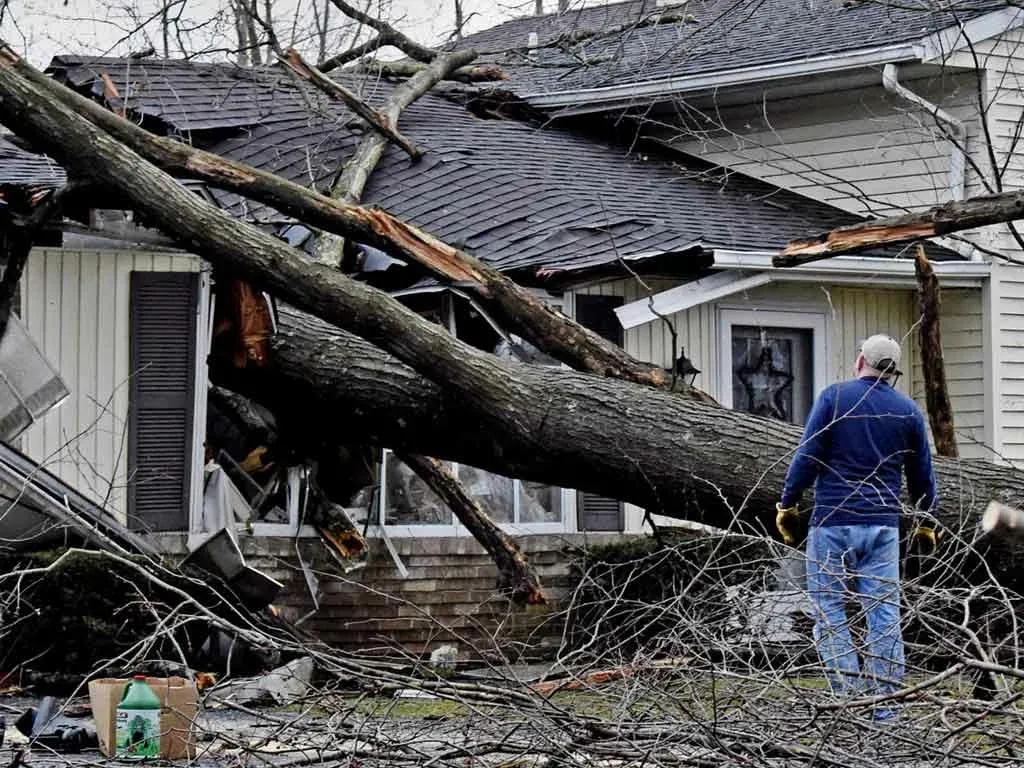
- Fallen trees and wind-borne debris strikes
- Fences and detached structures
- Interior ceilings, insulation, drywall and flooring
- Receipts for tarping and board-up
Which policy pays for storm damage
Storm photos from our files
Questions about storm claims
Answer 01
Often in part. Wind damage is commonly covered by a homeowners policy or, in some coastal counties, a TWIA windstorm policy, usually with a percentage deductible. Storm surge and rising water are flood, which standard policies commonly exclude, so one storm can produce claims under two or three policies.
Often in part. Wind damage is commonly covered by a homeowners policy or, in some coastal counties, a TWIA windstorm policy, usually with a percentage deductible. Storm surge and rising water are flood, which standard policies commonly exclude, so one storm can produce claims under two or three policies.
It is a separate deductible that applies to wind losses from certain storms, usually a percentage of the dwelling limit instead of a flat amount. A 2 percent deductible on a home insured for 400,000 dollars is 8,000 dollars. Check which deductible the carrier applied and what value it used.
Causation is a factual question that is answered with evidence, including high-water marks, debris lines, the pattern of material failure, the order of interior damage and the storm timeline at your address. Where wind made an opening first, the damage that followed may be treated differently.
Many homeowners policies cover damage to the structure from a fallen tree, along with some removal cost, whether the tree was yours or a neighbor's. Removal of a tree that fell without hitting anything insured is often limited or excluded.
As soon as the property is safe to inspect, since most policies require prompt notice. Photograph the damage before temporary repairs, keep receipts for tarping and board-up, and do not throw away damaged material until it has been documented.
Where we handle storm claims
- Storm claims in AlvinBrazoria County
- Storm claims in HoustonHarris County
- Storm claims in PearlandBrazoria and Harris Counties
- Storm claims in FriendswoodGalveston and Harris Counties
- Storm claims in League CityGalveston County
- Storm claims in DickinsonGalveston County
- Storm claims in Santa FeGalveston County
- Storm claims in LaredoWebb County
- Storm claims in Corpus ChristiNueces County
Claim guides on storm and related losses
- Roof Claim Denied for Wear and Tear? Here Is How to Answer ItA wear and tear denial is the insurer's opinion of the roof. Here is how that opinion can be checked against measurements of each slope.7 min read
- You Received a Reservation of Rights Letter. What Now?It is not a denial, and it is not nothing. It means the insurer is investigating while reserving the right to deny later, and how you respond matters.7 min read