
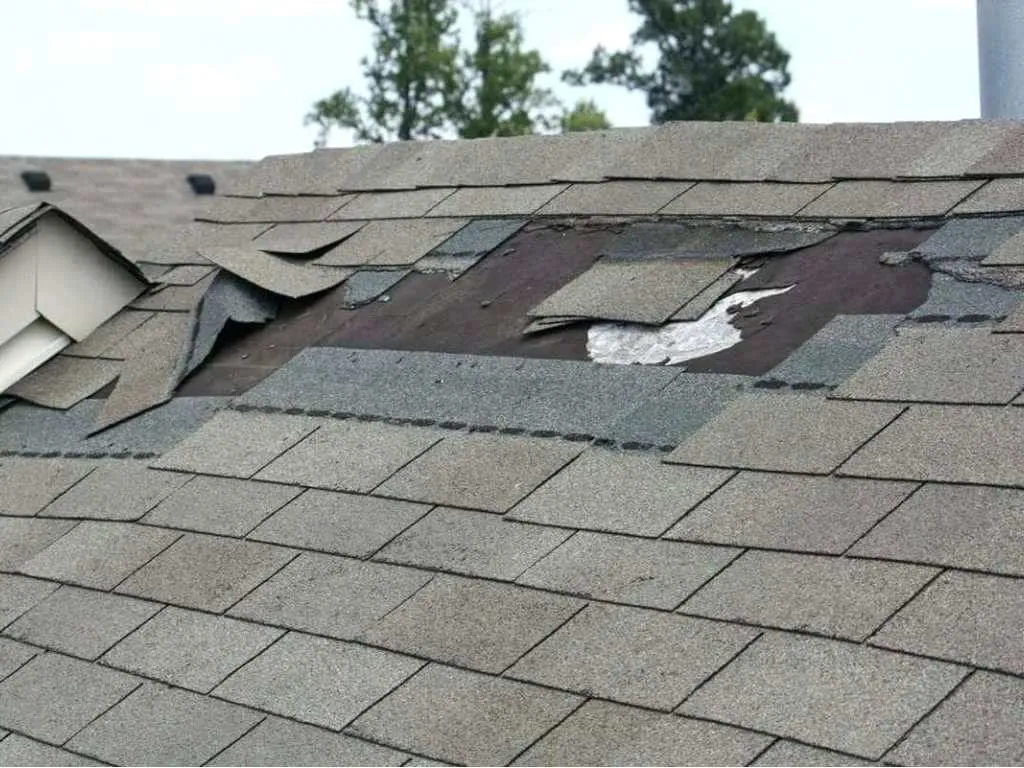
Texas sees a lot of hail, and roof claims after hail and wind storms are sometimes denied as wear and tear. The wording varies, but the substance is often similar: the roof is old, the granule loss is consistent with age and weathering, and no covered damage was found.
That conclusion can be reached after a short inspection of one slope. It is an opinion, and an opinion can be questioned with evidence.
Here is the kind of evidence policyholders and their advisers often gather.
Start with the soft metals
The roof surface is often the contested part. The soft metals are less likely to be. Hail can dent thin metal, and dents like that are hard to explain by age or ordinary weathering. Check and photograph:
- Gutters and downspouts, including the back face where damage is easy to miss
- Roof vents, turbines and ridge vents
- Flashing and drip edge
- Fascia and any metal trim
- The fins on your air conditioning condenser, which often show hail marks clearly
If those surfaces are dented, it suggests hail of a damaging size reached the property. That does not by itself prove the shingles were damaged, but it weakens the argument that nothing hit the house.
Measure the roof instead of describing it
Test squares. A test square is a marked ten foot by ten foot area on a slope, with the impacts inside it counted and photographed. A count is easier to discuss than an impression. Ask your insurer whether it uses a threshold number of impacts, and what that number is.
Every slope. Hail often falls at an angle with the wind, so damage can concentrate on the sides that faced the storm. An inspection that covers only one slope has not looked at the whole roof.
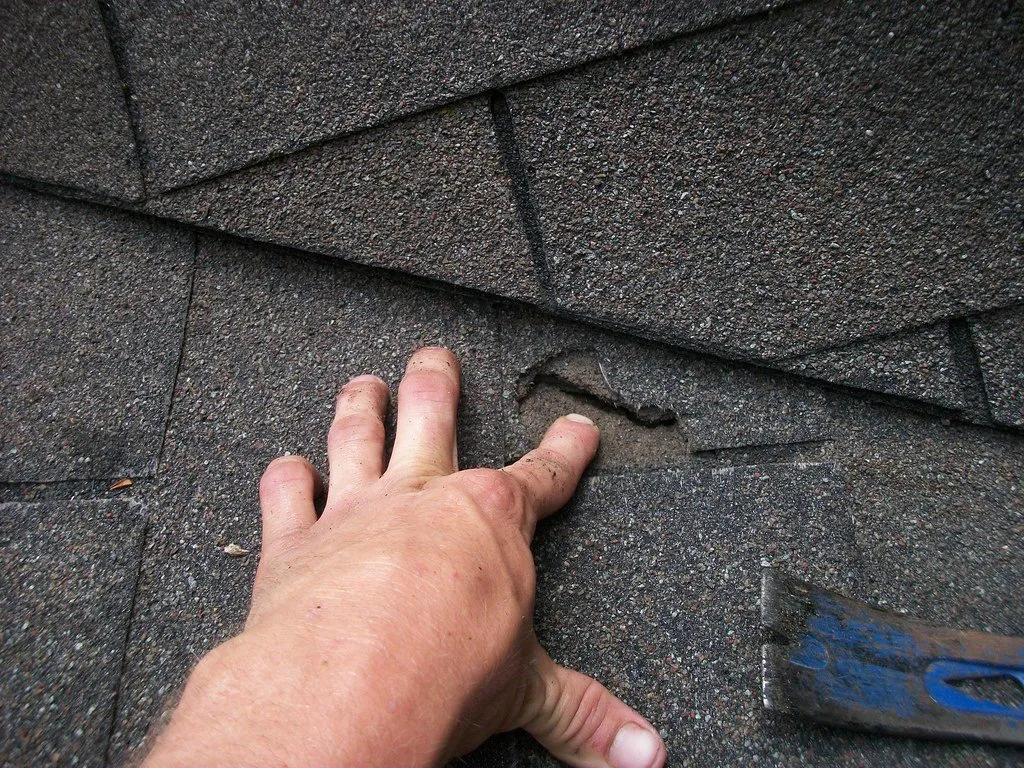
The bruise test. Hail damage on asphalt shingles is often described as a round bruise with granule loss that feels soft under pressure, because the mat beneath may be fractured. Whether a mark is functional or only cosmetic is a question for a qualified roofer or engineer. Photograph what you see and note what you feel.
What is not hail damage. Blistering, scuffs from foot traffic and normal weathering along the edges can look similar from a distance. Knowing the difference helps keep your claim credible for the items that are real.
Tie the damage to a dated storm
A wear and tear decision suggests gradual deterioration. A dated storm report for your address suggests a specific event on a specific day.
Storm data services can provide reported hail sizes and wind speeds for a date and location. A report like that can help show that a storm occurred and when. If the storm was recent, it is usually easier to gather. If seasons have passed, it can be harder, which is one reason not to let a suspected hail claim sit.
Read the cosmetic damage endorsement closely
Some Texas policies include a cosmetic damage exclusion or endorsement. Wording differs from policy to policy, so read exactly what yours says. This kind of wording is often discussed in connection with metal roofing and siding.
Whether it applies to your roof is a question about your policy language. Ask the insurer to point to the specific wording it relies on, and consider asking an attorney about it.
Matching, and why a patch may not be a repair
Shingle products change, and a discontinued product can be hard to match. How your policy treats matching differs from policy to policy, so read yours.
If a patch would leave visibly different shingles on a slope, photograph the mismatch and raise it with the insurer in writing.
Two practical warnings
Do not let it sit. Hail damage does not always leak right away. A damaged roof can hold for a while before a ceiling stain shows up. By then a policyholder may face the original damage, a question from the insurer about late notice, and interior water damage the insurer may dispute. Check your policy's notice requirements and act promptly.
Your roofer is not your claim representative. Texas has rules about who may represent a policyholder in negotiating an insurance claim, and about how contractors may be involved. Ask your contractor and a licensed public adjuster how those rules apply to you. A roofer prices and performs repairs. A public adjuster documents the loss and deals with the insurer for the policyholder.
Putting a written response together
A written response often includes test square counts for each slope, photographs of dented soft metals, a dated storm report for the address, close photographs of any fractured shingle mat, and a line-by-line comparison against the insurer's estimate. Send it in writing and ask for a written reply.
We help policyholders with denied hail and storm claims around Alvin, Houston and the Gulf Coast. A free claim review is a good place to start.
This guide is general information about property insurance claims. It is not legal advice, and every policy and every claim is different. Read your own policy, and speak with a licensed Texas attorney about legal questions.
This site is informational and is not legal advice or a guarantee of any claim outcome.
Written by Joe Hensley · Last updated October 14, 2026