
Coastal Surge
Coastal inundation brings fast-moving water, debris, wave impact and scour under foundations. We document depth, duration and the wind component together, since clearing a site removes the evidence that separates the two.
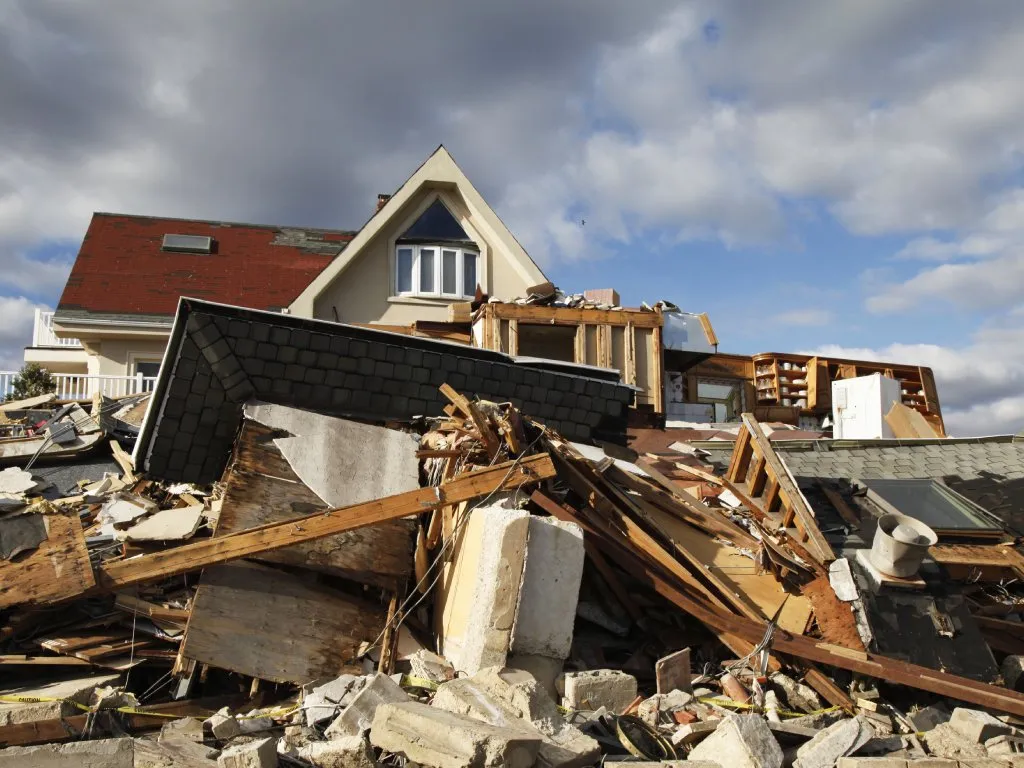
What the carrier's inspection tends to miss
- 01
Depth and duration of the water
High-water marks, debris lines and nearby benchmarks show how deep it was and how long it stood.
- 02
Wave impact and scour
Undermined foundations and displaced piers are different from ordinary standing water damage.
- 03
The wind share of the loss
Wind is rarely absent, and it can decide whether the interior of a standing structure is addressed under a second policy.
- 04
Valuation after a total loss
When little remains, size, finishes and condition have to be rebuilt from records and photographs.
- 05
Substantial damage and rebuilding
A local determination can change the rebuild requirements and may open the NFIP Increased Cost of Compliance benefit.
What gets documented on a claim like yours
- High-water marks and debris lines
- Inundation depth and how long the water stood
- Foundation undermining and pier or pile displacement
- Wind damage recorded in the same site visit
- Pre-loss records, square footage and finish level
- Contents rebuilt from receipts and photographs
- Substantial damage determination letter
- Increased Cost of Compliance eligibility
Which policy pays for surge damage
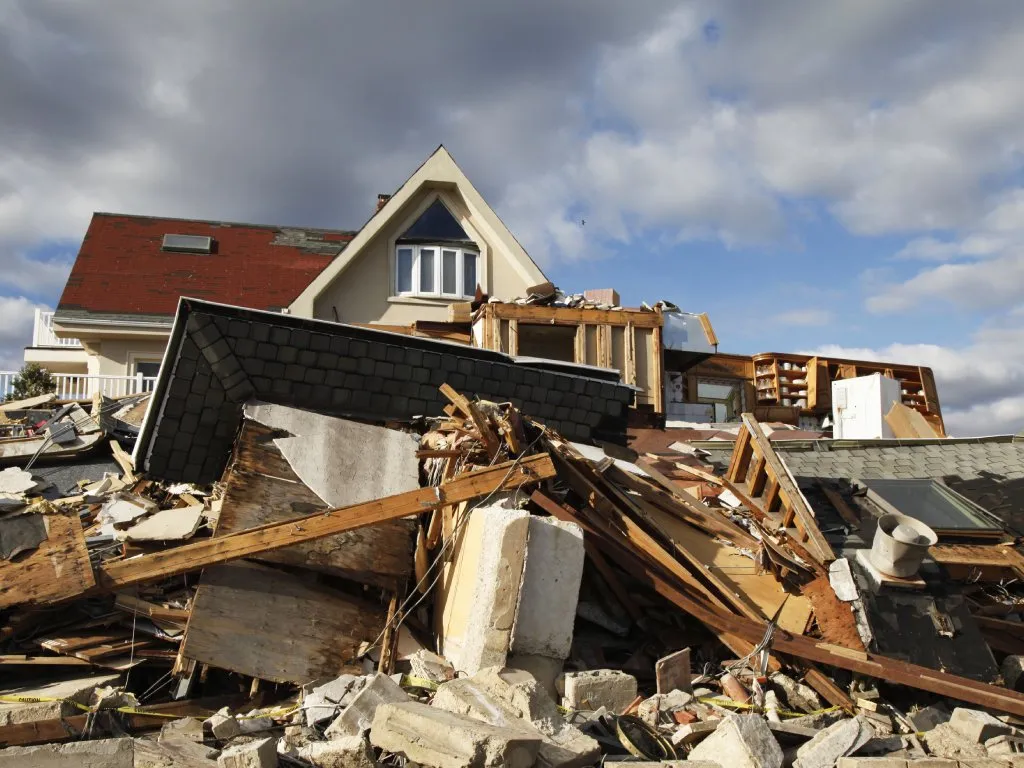
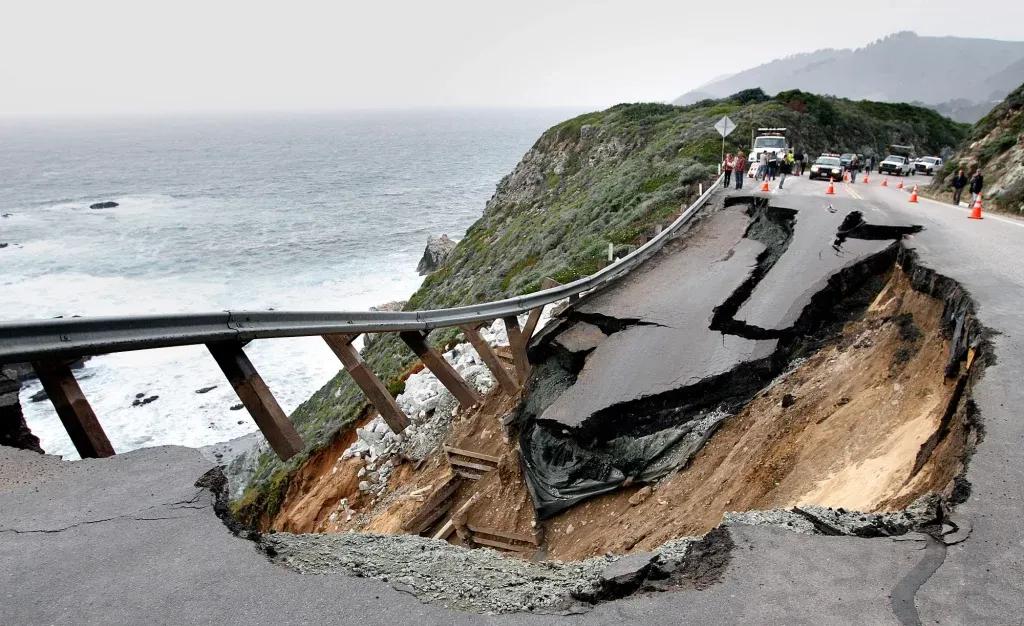
Questions about surge claims
Answer 01
Storm surge is generally treated as flood under standard Texas policy definitions, and standard homeowners policies commonly exclude it. Flood coverage usually comes from an NFIP or private flood policy. Wind damage from the same storm may be handled under a homeowners or windstorm policy.
Storm surge is generally treated as flood under standard Texas policy definitions, and standard homeowners policies commonly exclude it. Flood coverage usually comes from an NFIP or private flood policy. Wind damage from the same storm may be handled under a homeowners or windstorm policy.
They are uncommon. The Gulf of Mexico has recorded tsunami and seiche events, but far more often Texas coastal property faces storm surge from hurricanes, which is handled under flood coverage and documented much the same way.
It is a finding by a local floodplain administrator that the cost to repair a structure equals or exceeds a set share of its pre-loss market value, commonly half. It generally requires rebuilding to current floodplain standards and may make the property eligible for the NFIP Increased Cost of Compliance benefit.
It depends on the policy basis. NFIP building coverage generally settles at actual cash value, with replacement cost available for some principal residences insured to a required percentage. When the structure is gone, pre-loss condition and size are built from records and photographs.
File both claims promptly and have the cause of each part of the loss documented in a single site visit before debris removal. Each carrier may point to the other peril, and once the site is cleared the evidence that divides the damage may be gone.