
Earthquake Damage
Texas records seismic activity every year, and some older masonry and foundations show the effects. We document crack patterns, foundation movement and the dated event record, because these claims often turn on telling seismic damage from soil movement.
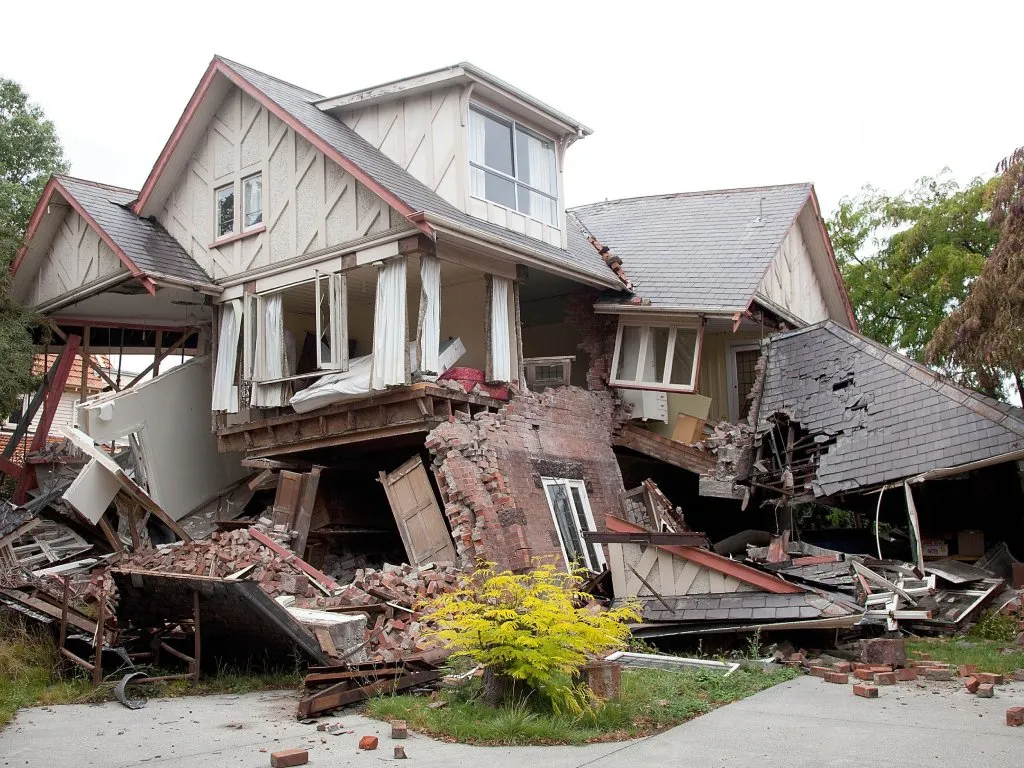
What the carrier's inspection tends to miss
- 01
Cracks without a map
Location, width and pattern of every crack help tell seismic damage from ordinary settlement.
- 02
No foundation elevation survey
Differential slab movement is measured, and without a survey the cause stays a matter of opinion.
- 03
Chimneys, veneer and masonry
These components often fail first and may need emergency safety work.
- 04
A percentage deductible left unchecked
A deductible set as a share of the dwelling limit can exceed a partial estimate, so the full extent of the loss matters.
- 05
Loss of use
Where a structure is unsafe to occupy, a policy may include alternative housing costs.
What gets documented on a claim like yours
- Earthquake endorsement or policy, limit and deductible
- Dated seismic event records near the property
- Crack locations, widths and patterns, photographed with a scale
- Foundation and slab elevation survey
- Masonry, veneer and chimney condition
- Broken glazing, fixtures and mechanical connections
- Contents damaged by shaking
- Structural engineer's findings on larger losses
Which policy pays for earthquake damage
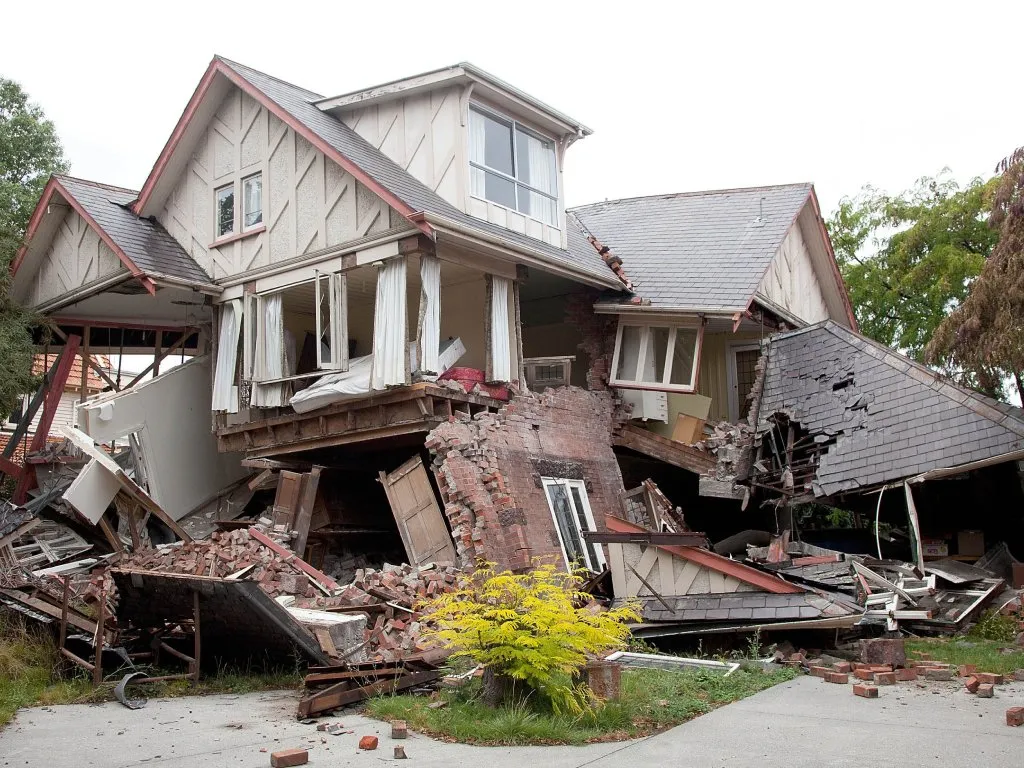
Questions about earthquake claims
Answer 01
Standard Texas homeowners policies commonly exclude earthquake and earth movement. Coverage may be available through an endorsement or a separate policy, usually with a percentage deductible. We read your policy to see what, if anything, you have.
Standard Texas homeowners policies commonly exclude earthquake and earth movement. Coverage may be available through an endorsement or a separate policy, usually with a percentage deductible. We read your policy to see what, if anything, you have.
Yes. Texas records seismic activity every year, concentrated in the Permian Basin and parts of North Texas, and some of it has been linked to induced seismicity. Some events have been large enough to cause documented damage, particularly to unreinforced masonry and older foundations.
Seismic damage tends to appear suddenly, line up in time with a recorded event, and show shear or stair-step cracking with a consistent direction. Settlement is more gradual. Elevation surveys and, on larger losses, a structural engineer's opinion are commonly used.
It is calculated as a share of the coverage limit, not a flat dollar amount, and is often applied separately to the dwelling and contents. On a 300,000 dollar dwelling limit, a 10 percent deductible is 30,000 dollars before the policy pays.
It may be, where the evidence supports a seismic cause. Event records, crack pattern analysis, elevation data and engineering opinion can all bear on the question, and the outcome depends on the evidence and the policy wording.