Fire & Smoke
Smoke Damage in Rooms That Did Not Burn
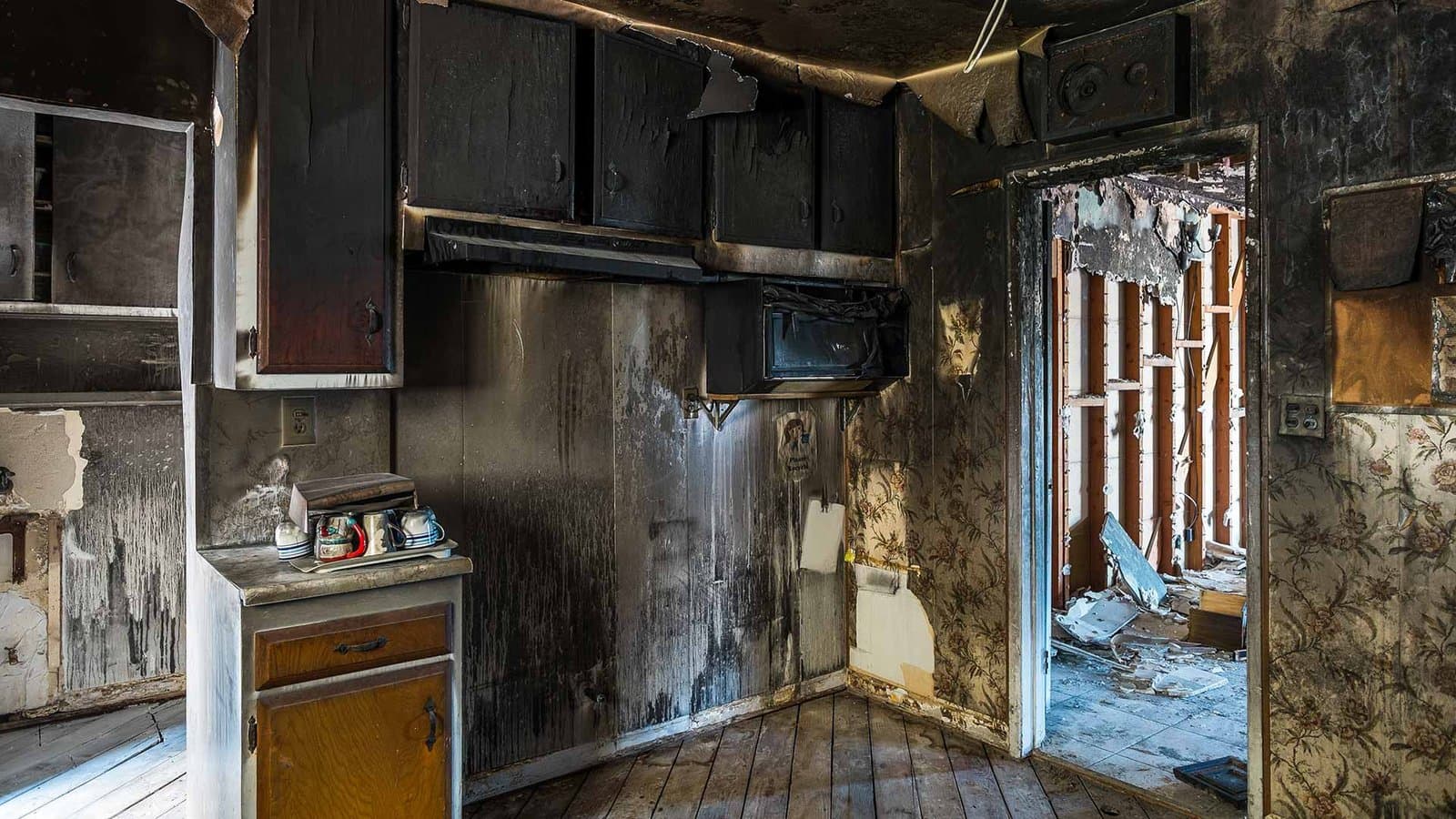
The flames stopped at the hallway. The smoke did not. This is the single most underpaid part of a fire claim, and it is provable.
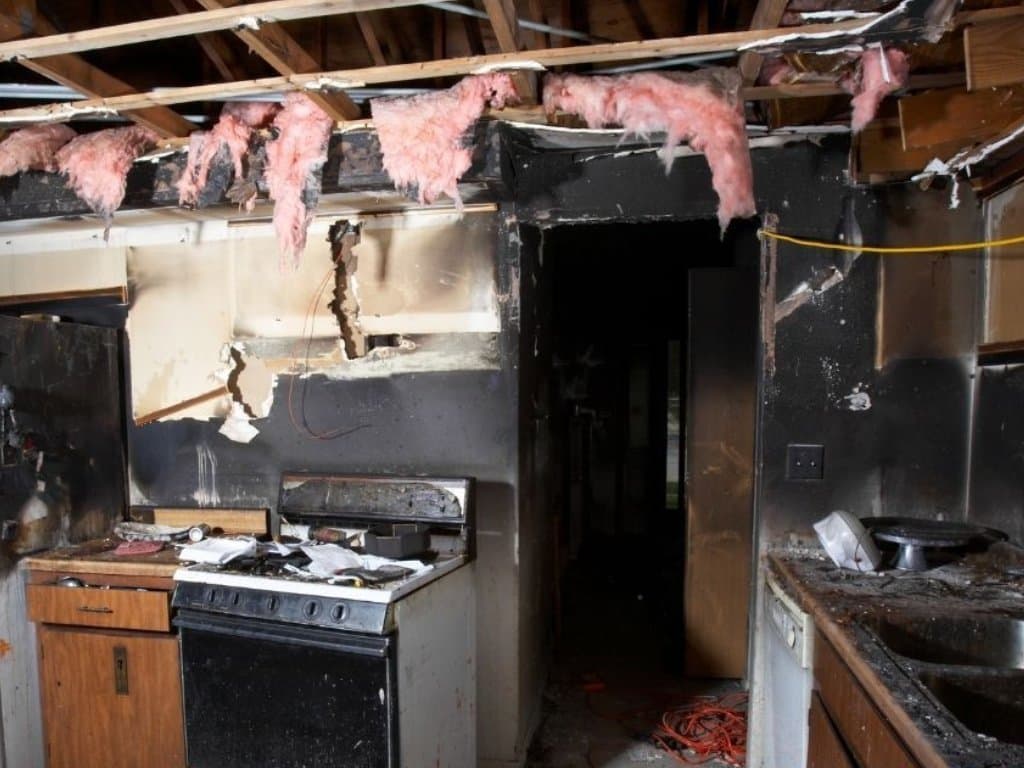
A carrier's fire estimate usually describes the room that burned in careful detail and then stops. The bedroom at the far end of the house looks fine, so it is not in the scope.
That room is very often not fine. Smoke is a pressurized gas carrying fine particulate, and during a fire it goes wherever air goes. Through wall cavities. Up through ceiling penetrations for lights and fans. Into the return air duct and then out of every supply vent in the building. It settles on surfaces, bonds into porous material and leaves an odor that cleaning cannot always remove.
Scoping only the burn area is the most common reason a fire settlement will not rebuild the house. Here is how the rest of it gets documented.
How smoke actually moves through a house
Three mechanisms matter, and they explain why damage shows up where it does.
Pressure. Fire creates heat, heat creates pressure, and pressurized smoke pushes into every available cavity. It does not need an open door. Gaps around outlet boxes, plumbing penetrations and recessed lights are enough.
Thermal movement. Smoke rises, hits the ceiling, spreads laterally and then descends as it cools. This is why staining often appears as a band on upper walls in rooms well away from the fire.
The HVAC system. If the air handler was running, it drew smoke into the return and distributed it through the entire duct network. This single mechanism can contaminate a whole house from a contained kitchen fire, and duct cleaning is one of the line items most often absent from an initial estimate.
There is also a chemical dimension. Smoke residue is acidic. On metal it begins to etch, on electronics it corrodes contacts, and left in place it continues to work rather than sitting inert.
The four types of residue, and why the difference matters
Not all smoke damage cleans the same way, and the type drives the scope.
Dry smoke comes from fast, high-temperature fires. The residue is powdery and relatively easy to clean, but because the particles are fine it penetrates further into cracks and cavities.
Wet smoke comes from slow, smoldering, low-temperature fires, typically involving plastics and rubber. It is sticky, it smears when wiped, and it carries a strong odor. It is substantially harder to remove and more often requires replacement.
Protein residue comes from kitchen fires involving food. It is nearly invisible, discolors paint and varnish, and has a severe odor. Because you cannot see it, it is the type most frequently left out of a scope entirely.
Fuel oil soot applies where a furnace puff-back has occurred.
Identifying which type you are dealing with is not academic. It decides whether a surface is cleaned or replaced, and that is a large difference in the estimate.
How soot migration gets proven
An opinion that the back bedroom "looks fine" is answered with measurement, not argument.
Wipe testing. A clean white cloth drawn across surfaces in each room, documented and labeled by location. This produces a visual record of where residue actually is, including in rooms that read as clean to the eye.
Room-by-room mapping. Every room photographed and recorded, including the ones that appear untouched. Attention to the tops of door casings, the upper third of walls, inside closets and cupboards, and behind furniture.
HVAC inspection. The return, the plenum, a sample of supply runs and the air handler itself. Photographs inside the ductwork settle this quickly.
Surface testing in concealed spaces. Inside wall cavities at outlets, in the attic and above ceilings.
Odor assessment. Particularly after the building has been closed up and warmed, which is when bonded odor reasserts itself.
For higher-value losses, independent laboratory analysis of residue samples can confirm the combustion source and distinguish fire residue from ordinary household soiling. On a large claim that report is worth what it costs.
What belongs in the scope beyond the burned room
- Cleaning and sealing of affected surfaces throughout, not only where staining is visible
- HVAC cleaning, sealing and filter replacement, and replacement of the air handler where contamination warrants it
- Contents cleaning or replacement, including clothing, soft furnishings, bedding and window treatments
- Electronics assessment, because acidic residue continues corroding contacts after the fire is out
- Replacement where cleaning cannot succeed, which applies to insulation, carpet padding and other porous material that has absorbed odor
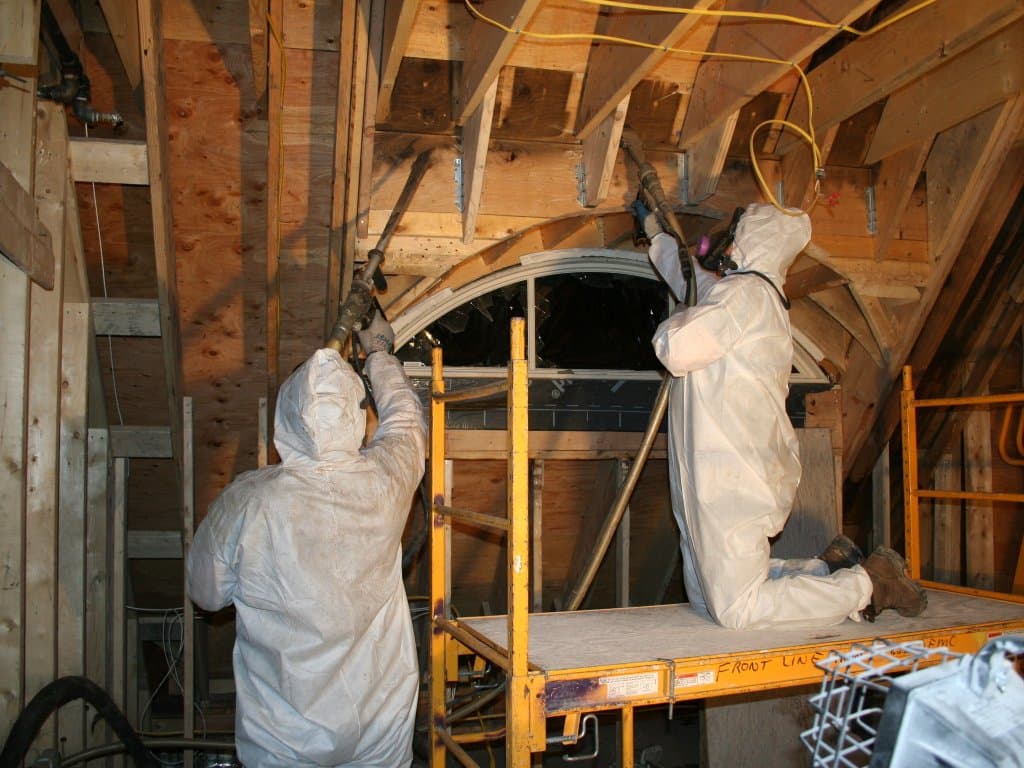
- Odor treatment, whether thermal fogging, hydroxyl or ozone, matched to the residue type
- Sealing of framing and subfloor before reconstruction, so odor is not closed inside the assembly
- Additional living expense for the period the property is genuinely uninhabitable, which smoke odor alone can cause
The mistake that costs the most
Allowing reconstruction to begin before odor has been resolved.
If drywall goes back over framing that still holds smoke, the odor returns with the first warm, humid week, and by then the walls are closed, the claim is settled and the remedy is to open everything up again at your own cost. Sealing exposed framing and subfloor is a cheap line item at the right moment and an expensive problem at the wrong one.
Ask for written confirmation that odor treatment is complete before anyone hangs board.
If the estimate stops at the burn area
That is a scope problem, and scope problems are answered with documentation rather than disagreement. Wipe tests by room, HVAC photographs, a mapped record of where residue actually sits, and a line-by-line comparison against what the carrier wrote.
We document fire damage claims throughout Houston and the surrounding Texas communities, including reopening claims that were settled on the burned room alone. The review is free and there is no fee unless the claim recovers more.
Frequently asked questions
Does homeowners insurance cover smoke damage in rooms that did not burn?
Yes. Under a standard Texas policy, smoke and soot damage is part of the fire loss regardless of whether flames reached the room. The difficulty is not coverage but scope, because carrier estimates frequently stop at the burn area and the contamination has to be documented room by room to be paid.
How is smoke damage proven in a room that looks clean?
Primarily with wipe testing, where a clean white cloth is drawn across surfaces in each room and documented by location. That is supported by room-by-room photography, HVAC and duct inspection, surface testing inside wall cavities and at outlets, and odor assessment once the building has been closed up and warmed.
Why does smoke damage appear far from the fire?
Three mechanisms carry it. Heat creates pressure that pushes smoke into wall cavities through gaps at outlets, light fittings and plumbing penetrations. Thermal movement lifts it to the ceiling, spreads it laterally and drops it as it cools. And if the air handler was running, the HVAC system distributed it through the whole duct network.
Can smoke odor be removed without replacing materials?
Sometimes. Hard, non-porous surfaces usually clean and seal successfully. Porous material that has absorbed odor, such as insulation, carpet padding and some soft furnishings, often has to be replaced, because treatment masks rather than removes it. Exposed framing and subfloor should be sealed before reconstruction so odor is not closed inside the wall.