
Flood Damage in Santa Fe, TX
Flood is a separate kind of insurance with its own forms, its own limits and a sworn Proof of Loss that has to be complete. We prepare flood claims with the documentation that requires, and we record the evidence before demolition removes it.
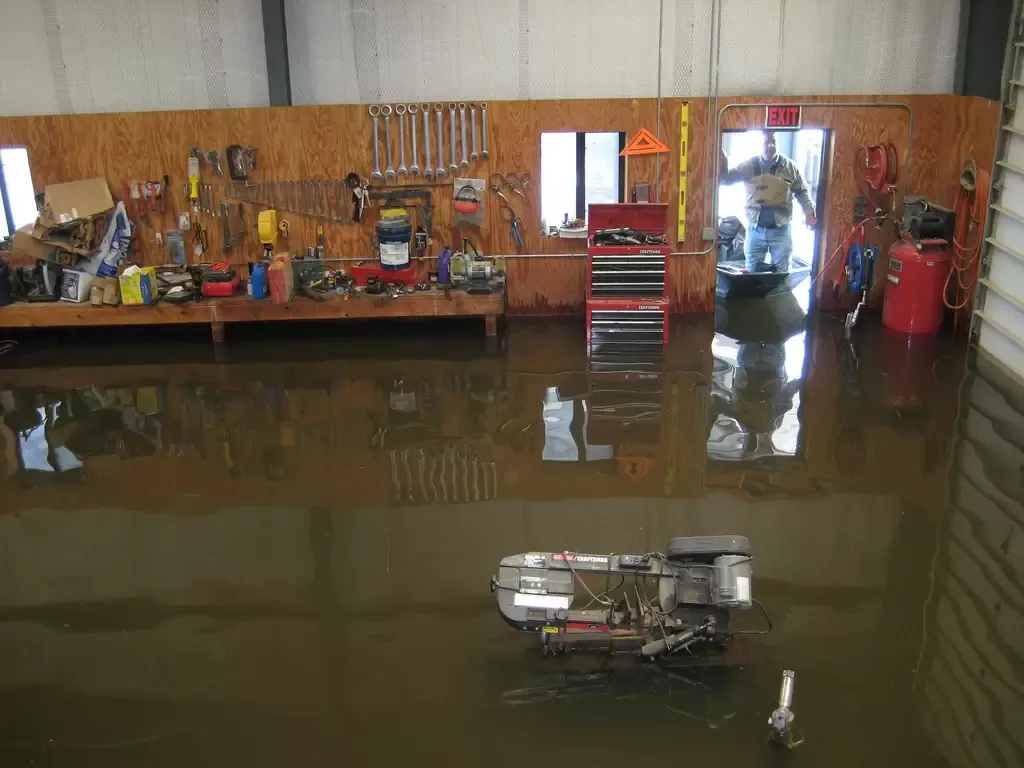
Flood claims in Santa Fe, Texas start with the land itself. Flat Galveston County terrain sends heavy rain off slowly, so water lingers against slab and pier foundations. Along State Highway 6, many single-story homes take that water across the entire floor plan, which makes room by room measurement the heart of the file. We record the water line before drywall is cut, photograph flood cuts, check the HVAC and electrical panel, and build the sworn Proof of Loss that NFIP and private flood policies require. Flood is usually a separate policy from homeowners coverage, and we read yours first. To have us review a flood loss, call or send the claim review form.
What a carrier's inspection tends to miss on flood damage claims in Santa Fe
- 01
Water line and depth, room by room
Once drywall is cut, the record of how high the water reached is gone, so it has to be measured before demolition.
- 02
Mechanical and electrical systems
Submerged HVAC units, water heaters and electrical panels can be unsafe to reuse yet get scoped as cleanable.
- 03
Contents without a schedule
Where contents coverage was bought, a room-by-room list of damaged property is what supports it.
- 04
A Proof of Loss that is incomplete
The NFIP works from a sworn form, and a form without supporting estimates can be returned or denied on procedure.
- 05
Increased Cost of Compliance
This NFIP benefit can help with elevating, floodproofing or demolishing a substantially damaged structure, and it is often never filed.
What gets documented on flood damage claims in Santa Fe
- Water line height in every room
- Flood cut heights, subfloor and joist condition
- Insulation removal and antimicrobial treatment
- Submerged HVAC, water heater and electrical panel
- Contents schedule by room
- Debris list kept before anything goes to the curb
- Wind versus water evidence where both are in play
- Sworn Proof of Loss with supporting estimates
- Substantial damage letter and Increased Cost of Compliance filing
Local exposure in Santa Fe
Flooding from heavy rain
Flat Gulf Coast terrain in Galveston County means heavy rain drains slowly, which puts flood and water claims on the table after major storms.
Which policy pays for flood damage
Questions about flood damage claims in Santa Fe
Answer 01
Standard Texas homeowners policies commonly exclude flood, including storm surge, bayou overflow and sheet flow. Flood coverage usually comes from an NFIP policy or a private flood policy. Water entering through a wind-damaged roof is a different cause of loss and may fall under the homeowners or windstorm policy.
Standard Texas homeowners policies commonly exclude flood, including storm surge, bayou overflow and sheet flow. Flood coverage usually comes from an NFIP policy or a private flood policy. Water entering through a wind-damaged roof is a different cause of loss and may fall under the homeowners or windstorm policy.
A Texas-licensed public insurance adjuster can represent a policyholder on an NFIP claim, including preparing the sworn Proof of Loss and its supporting documents. Because the program has strict documentation and timing rules, having the file assembled carefully the first time matters.
It is an NFIP benefit that contributes toward elevating, relocating, floodproofing or demolishing a building your local floodplain official has declared substantially damaged. It is separate from the building payment. The determination and the filing are handled by different offices, so it is easy to miss.
Measure and photograph the water line in every room before any drywall is removed, and keep your photos dated. Once walls are cut, that record is gone. We take those measurements, note the flood cut heights, and tie them into the estimate and the sworn Proof of Loss.
It can. When water enters a one-story home it usually touches the whole floor plan, so flooring, baseboards, insulation and cabinets in every room need to be counted. Mechanical systems low in the house, like a water heater, also need to be checked and listed separately.