
Fire & Smoke Damage in Corpus Christi, TX
A fire claim is rarely settled on what you can see, because smoke and soot travel well past the burned room. We inspect the loss ourselves and document every affected room, so the carrier answers an independent estimate instead of working from its own alone.
A fire in Corpus Christi, Texas, a city on Corpus Christi Bay, can leave smoke odor trapped in porous materials and insulation long after the flames are out. Our work begins with a room by room look at smoke and soot, then ducts, attic framing and contents. Many Nueces County homes are single-family houses with shingle roofs, and heat above the ceiling may not show from below. We also document lodging, meals and storage while the home is unlivable. If you have an estimate you question, call us or send the claim review form and we will compare it with our own findings.
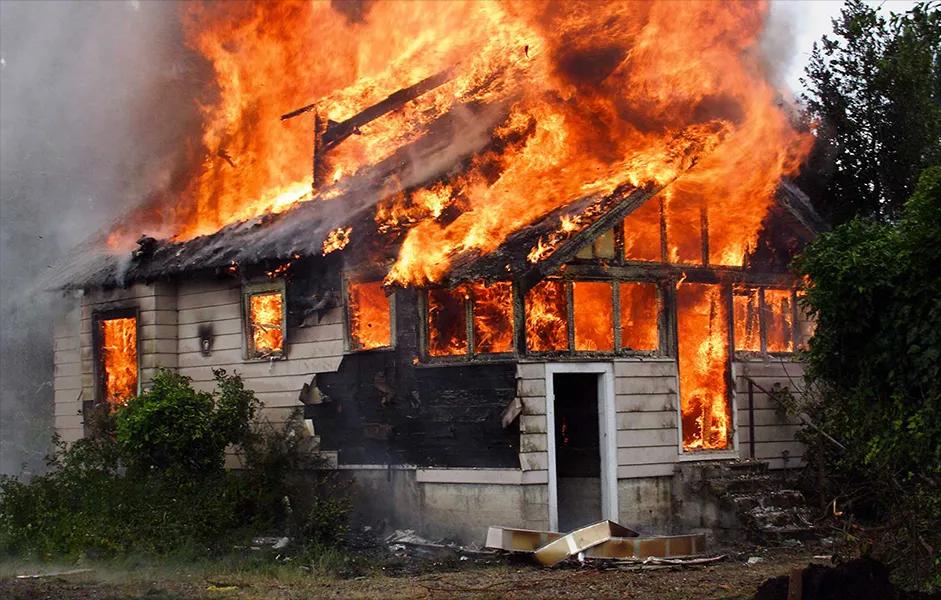
What a carrier's inspection tends to miss on fire & smoke damage claims in Corpus Christi
- 01
Smoke through wall cavities
Soot can move through framing and ductwork into rooms the fire never reached, and an estimate written for the burned room can leave those rooms out.
- 02
Soot bonded to the HVAC system
Ducts and air handlers may need testing, cleaning or replacement, and they are easy to leave off a room-by-room estimate.
- 03
Heat damage above the ceiling
Wiring, framing and insulation can be compromised where nothing looks burned from below.
- 04
Code upgrades on the rebuild
A house is rebuilt to current code, and ordinance and law coverage, where a policy has it, often has to be requested in writing.
- 05
Additional living expense
Hotel, rental, storage and the higher cost of meals while the kitchen is unusable are costs many people never think to claim.
- 06
Contents priced as depreciated cash
A contents list without age, condition and replacement pricing can leave a figure that does not replace what was lost.
What gets documented on fire & smoke damage claims in Corpus Christi
- Charring depth and heat-affected framing
- Room-by-room smoke and soot mapping, with wipe testing
- HVAC, ductwork and attic condition
- Odor in porous materials and insulation
- Contents inventory with age, condition and replacement price
- Additional living expense receipts and dates
- Code upgrade items on the rebuild
- Recoverable depreciation holdback and its paperwork
- Business interruption records on commercial losses
Which policy pays for fire damage
Questions about fire & smoke damage claims in Corpus Christi
Answer 01
Under many Texas homeowners policies, smoke and soot from a covered fire are part of the fire loss. The common problem is scope. Smoke travels well beyond the burn area, so it has to be tested and documented room by room before it appears on an estimate. Your own policy language controls, and we read it in the free review.
Under many Texas homeowners policies, smoke and soot from a covered fire are part of the fire loss. The common problem is scope. Smoke travels well beyond the burn area, so it has to be tested and documented room by room before it appears on an estimate. Your own policy language controls, and we read it in the free review.
Stay out of the structure until the fire department releases it. After that, photograph and video every room from several angles, including rooms that look untouched. Report the loss to your carrier and write down the claim number, the adjuster's name and the date. Keep every receipt from the day of the fire.
It is a coverage found in many homeowners policies that can reimburse costs of living elsewhere while a home is unlivable, such as lodging, storage, pet boarding and extra meal costs. Limits and conditions vary by policy, and receipts make it far easier to document than memory does.
Keep every receipt for lodging, meals, storage and cleaning, along with dated photos of each room. Save damaged items until they are listed, since a contents inventory with age, condition and replacement price carries more weight than a general estimate.
Under many Texas homeowners policies, smoke, soot and odor from a covered fire are part of the fire loss. Odor lodged in insulation and porous materials has to be identified and listed, and your policy language controls what is paid.