
Hail Damage in League City, TX
Hail claims are often closed on a single walk across one slope and the words wear and tear. We inspect every slope, count impacts in marked test squares and tie the damage to a dated storm, so the carrier is answering measurements.
A League City, TX roof can take hail from a severe thunderstorm the same way roofs across the Houston region do, and the damage is easy to understate. Many homes here are newer subdivision houses with shingle roofs, and a carrier may call a roof too young for wear and tear but still say the bruising is cosmetic or only on one side.
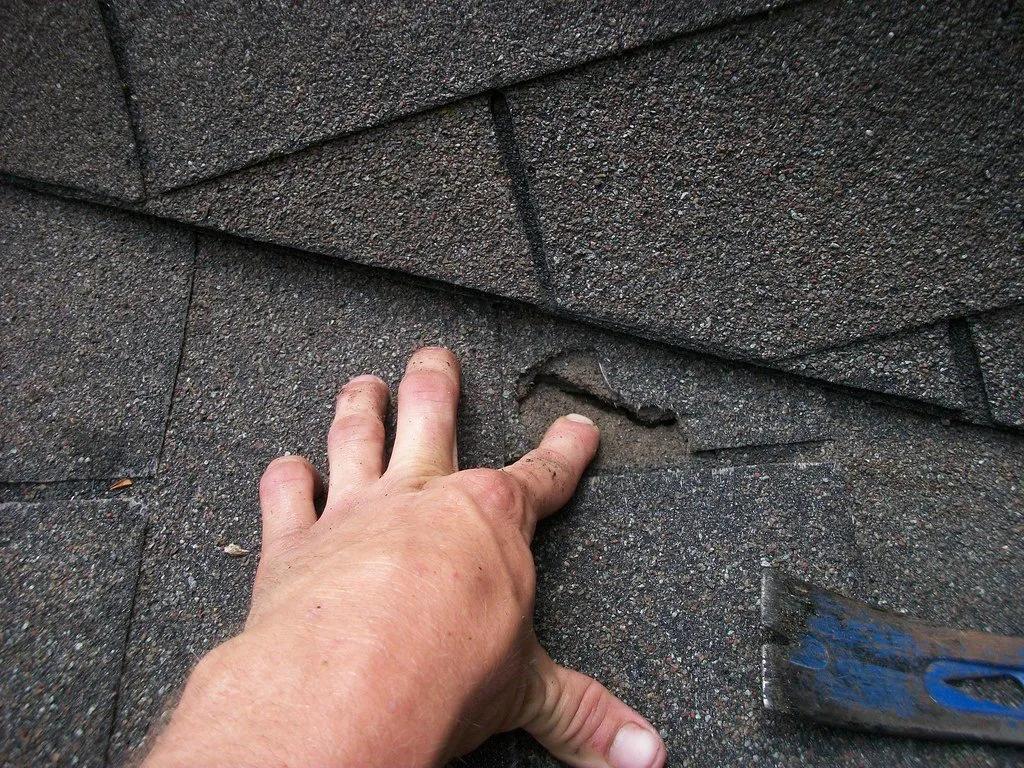
We settle that with measurements instead of opinions. We mark a test square on each slope, count impacts, photograph fractured mats and granule loss, and check vents, gutters, flashing and condenser fins for dents. A dated hail report for your address ties the damage to a storm. We also look at windows, screens and siding on the elevations that faced the storm, plus attic decking and ceilings for moisture that traces back to the roof.
If you live near Interstate 45 or out toward Clear Lake, the same storm may also have brought wind, and we record both. Policies often carry a separate wind and hail deductible, so we check how it was applied. When you want a second set of eyes on a hail estimate, call us and we will review it at no cost.
What a carrier's inspection tends to miss on hail damage claims in League City
- 01
The slope nobody walked
A one-slope inspection can miss the elevations that took the heaviest hits.
- 02
Soft metals told the story
Dents in vents, gutters, flashing and condenser fins help show the roof was struck, and they are often left out of the notes.
- 03
No storm date on the claim
A dated hail report for the property's location helps answer the argument that the damage came before the policy.
- 04
Matching on discontinued shingles
Where a shingle can no longer be matched, the scope question is a slope or a roof rather than a visible patch.
- 05
Windows, siding and screens
Elevations that took the same strike are often left off when the inspection stops at the roof.
- 06
Interior and attic moisture
Ceiling stains, wet decking and insulation can trace back to a hail-compromised roof.
What gets documented on hail damage claims in League City
- Test square on each slope with impact counts
- Granule loss, bruising and mat fracture photographs
- Dents to vents, gutters, flashing and condenser fins
- Dated hail report for the property's coordinates
- Roof age, layers and shingle type
- Matching and discontinued product notes
- Windows, siding, screens and fencing
- Attic decking and ceiling moisture readings
Which policy pays for hail damage
Questions about hail damage claims in League City
Answer 01
From the ground it is often hard to tell, which is why hail claims are missed. On the roof, hail can leave round bruises that feel soft under pressure and expose the mat beneath. Dents on gutters, vents, flashing and air conditioner fins are a useful sign that the property was struck.
From the ground it is often hard to tell, which is why hail claims are missed. On the roof, hail can leave round bruises that feel soft under pressure and expose the mat beneath. Dents on gutters, vents, flashing and air conditioner fins are a useful sign that the property was struck.
Often. A wear and tear finding comes from one inspection, and it can be answered with slope-by-slope test squares, an impact count, soft metal damage and a dated storm report. Whether a carrier changes its position depends on the evidence and the policy.
It is an endorsement some policies carry that excludes hail damage affecting appearance but not function. It is written most naturally for metal roofing and siding. Whether it applies to asphalt shingles with a fractured mat is a question for your policy wording and the evidence.
Yes. Roof age does not rule out hail damage, and a roof that is not old should still be inspected slope by slope. An age-based denial does not replace a measured count. We use test squares, soft-metal dents and a dated storm report to document what is actually there.
Some Texas policies carry a separate deductible for wind and hail, often a percentage of the dwelling limit instead of a flat amount. Check your declarations page for it. We confirm which deductible the carrier applied and whether it used the correct value before you accept the payment figure.